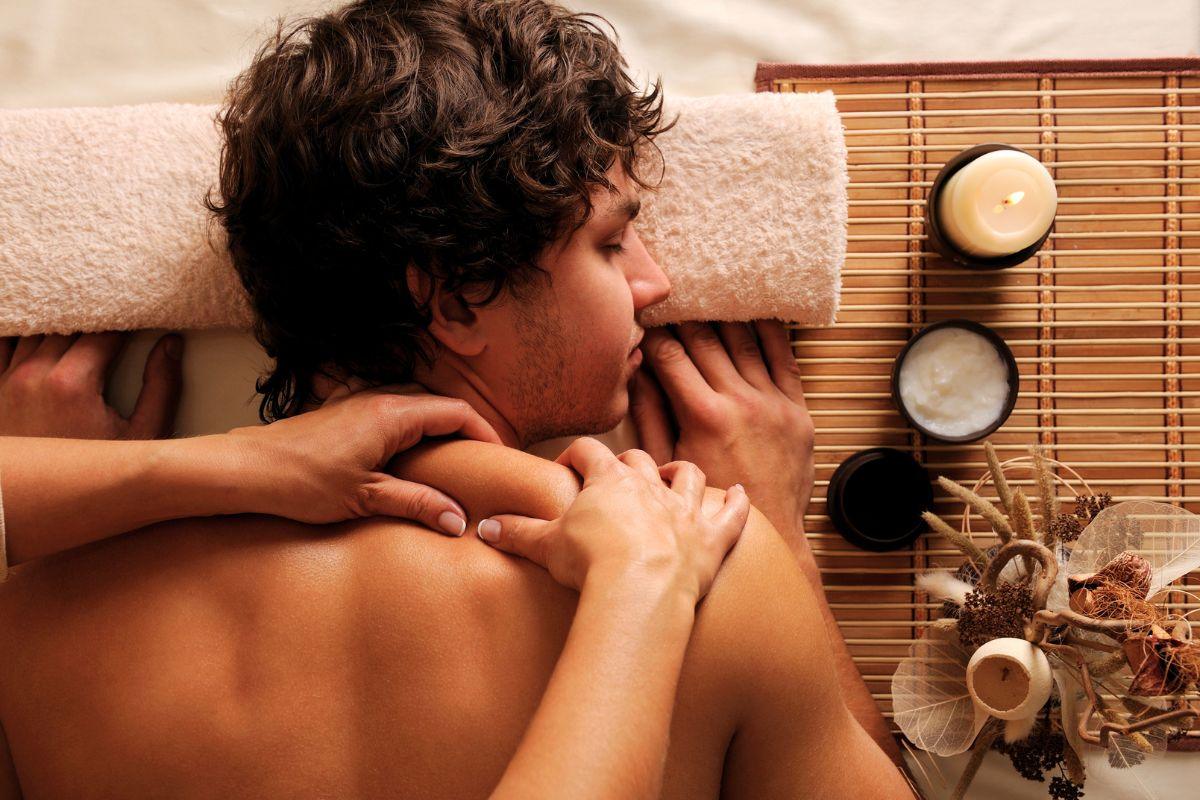
Deep tissue massage is a specialised therapeutic bodywork technique designed to target the inner layers of muscle and connective tissue. This guide explains everything you need to know about deep tissue massage, including its key health benefits, potential risks, average UK costs, and how to choose a qualified therapist.
By applying slow, deliberate strokes and firm pressure, this treatment breaks down stubborn knots and tissue adhesions. It provides targeted relief for chronic pain, sports injuries, and persistent stiffness that standard relaxation treatments cannot resolve. This guide covers the benefits, risks, and how to find a good UK therapist.
- It targets the deep muscle layers, not the surface one.
- It treats chronic pain, injuries and stubborn knots.
- Mild soreness for a day or two afterwards is normal.
- It’s not for everyone, so some people should check with their GP first.
- Usually costs £40 to £80 a session in the UK.
What Is A Deep Tissue Massage?
It is a technique used to treat musculoskeletal issues, such as strains and sports injuries. The therapist applies pressure slowly with firm strokes to reach the inner layers of muscle and connective tissue. Old injury left a bit of scar tissue? This technique breaks it up. When lower body muscles wound tight as a spring—particularly around the outer hips and glutes near where hip dips occur—it loosens them, increases blood flow, inflammation subsides, and you heal fast.
When you ache constantly, tight bands of tissue (adhesions) are the cause. They block blood flow and limit your movement. The therapist’s role is to track them and break them. Healthline reckons there are over 80 types of massage, and this one’s firmly therapeutic.
Deep Tissue Vs Swedish Massage
Both are massage techniques but vary in pressure and purpose.
| Feature | Deep tissue massage | Swedish massage |
| Intent | Chronic pain and sports injuries | Relaxation and everyday tension |
| Pressure | Firm; palms, fingers, elbows, forearms | Gentle, long gliding strokes |
| Focus | Deep muscle layers and joints | Surface muscles: neck, shoulders, back |
| Best for | Athletes, desk workers, injury recovery | Older adults, pregnancy, beginners |
Source: Comparative clinical guidelines compiled from the American Massage Therapy Association (AMTA) and the National Center for Complementary and Integrative Health (NCCIH)
Benefits Of Deep Tissue Massage
There’s proper research on it. Back in 2014, a study of 59 people showed deep tissue massage eased chronic low back pain. The researchers even said its effect was equal to anti-inflammatory painkillers like ibuprofen.
Then there’s the 2017 study on 31 men with ankylosing spondylitis (a form of arthritis). Ten sessions, two weeks, half an hour each, and their pain dropped far more than with a bog-standard massage.
Medical News Today points to a 2016 case study where a 28-year-old pregnant woman had 12 sessions, twice a week, and her lower back pain finally let up. The massage boosts serotonin, and it helps take the edge off pain in the legs and back.
WebMD claims 94% of us believe massage helps with pain, and over 30% have booked one for exactly that reason. One medical study clocked a jump in white blood cells afterwards, the ones that see off viruses and bugs. More oxytocin (the happy hormone) means less cortisol (the stress one).
The “it helps with” list is long: sports and workout injuries, fibromyalgia, plantar fasciitis, high blood pressure, sciatica and tennis elbow. Propel Physiotherapy highlights a study of 263 people whose blood pressure fell noticeably afterwards. In another, people with neck pain who tried Rolfing (a deep tissue style) could crane their necks 13 degrees further each way. And in a trial of 150 athletes, the team-sport and strength group saw a boost in recovery and performance.
ALSO READ: Why the Japanese Head Spa Trend Is Everywhere in the UK Right Now
What Happens During A Session?
First, a quick chat about where it hurts with your therapist. It could be your whole body or just one grumpy spot. Then they ask you to lie on the table, face up or down, under a sheet. Strip to whatever you’re comfortable with; just the working area needs to be bare. The therapist warms you up gently, then gets stuck in with deep kneading and firm, shifting pressure.
What To Expect Afterwards
You may feel a bit battered for a day or two, but that’s normal. It’s called DOMS (delayed onset muscle soreness), and it’s par for the course, especially if it’s been ages. Blame the muscle movement, any existing inflammation, dehydration, walking in tense, or just being sensitive.
Drink water, do gentle stretches, and rest. Heat sorts stiffness, a towel-wrapped cold pack calms pain, and a warm bath with Epsom salts helps too. You can take a painkiller if you really need one.
Who Shouldn’t Try It And Risks
For most people, in trained hands, it’s safe as houses. But the pressure is serious, and in rare cases it has led to muscle tears, fractures, and even a stroke. So have a chat with your GP first if you’ve got a history of blood clots, take blood thinners, have a bleeding disorder, or are mid-cancer treatment like chemo or radiation.
Don’t have it if you have osteoporosis or cancer that’s reached the bones, as the pressure could snap something. Pregnant? Get the all-clear first. Open wound or skin infection? Rebook. And if you’ve a heart problem, high blood pressure, diabetes or a history of seizures, avoid it. Kids and teens should tread carefully, as their bones and muscles are still growing.
How Often Should You Get One?
Start with once a month, then you can adjust it as you feel, less if you do not love it. Just give your muscles enough time to recover between visits.
How Much Does It Cost In The UK?
Budget £40 to £80 an hour. London is pricier — 30 to 40% more, sometimes topping £90 — and if a therapist comes to you, expect a travel fee on top.
How To Find A Therapist In The UK
Don’t wing it. Ask your GP or physio for a referral, or search the Complementary & Natural Healthcare Council (CNHC) register, the UK’s voluntary regulator. The Federation of Holistic Therapists (FHT) has a directory too, and a recommendation from a friend can be very helpful. Before you commit, check they’re qualified, insured, experienced with your issue, and upfront about the cost.
The Bottom Line
If you’re sporty, injured, or just permanently achy, deep tissue massage is worth a try. Prefer something gentler, or wince at the thought of intense pressure? A Swedish massage is the softer sell. Either way, health condition or not, a quick word with your GP is never a bad idea.
ALSO READ: 10000 Steps A Day: Your Complete Guide to Total Health Transformation
FAQs
Q1. Does Deep Tissue Massage Hurt?
It can get intense, but it shouldn’t have you yelping. Say the word and your therapist eases off.
Q2. How Long A Session Usually Is?
Anywhere from 30 to 90 minutes. A full-body one usually runs about an hour.
Q3. Does It Flush Out Toxins?
No, there is no evidence of that. It can shift lymph fluid and cool inflammation, though.
Q4. Can I Train Straight After?
Give it a day. Light movement is grand, but skip the heavy stuff so muscles recover.
Q5. How Many Sessions Do I Need?
Depends. Deep tension or an injury often needs a few goes before you feel the difference.
Q6. Is It Safe In Pregnancy?
Not always; ask your GP. A gentler Swedish massage is often the safe option.
Sources & References
- Healthline. (2026). Deep tissue massage: Benefits and therapeutic uses.
- WebMD. (2026). Is deep tissue massage good for you?
- Medical News Today. (n.d.). Deep tissue massage benefits: Case study evidence.
- Propel Physiotherapy. (n.d.). What is deep tissue massage? Blood pressure and health outcomes.
Disclaimer: The information provided in this article is for educational and general informational purposes only and is not intended for promotional use. It should not be construed as medical advice or substitute for professional healthcare guidance. Readers are advised to verify all facts independently and seek consultation from a qualified healthcare professional or GP before undergoing deep tissue massage therapy.