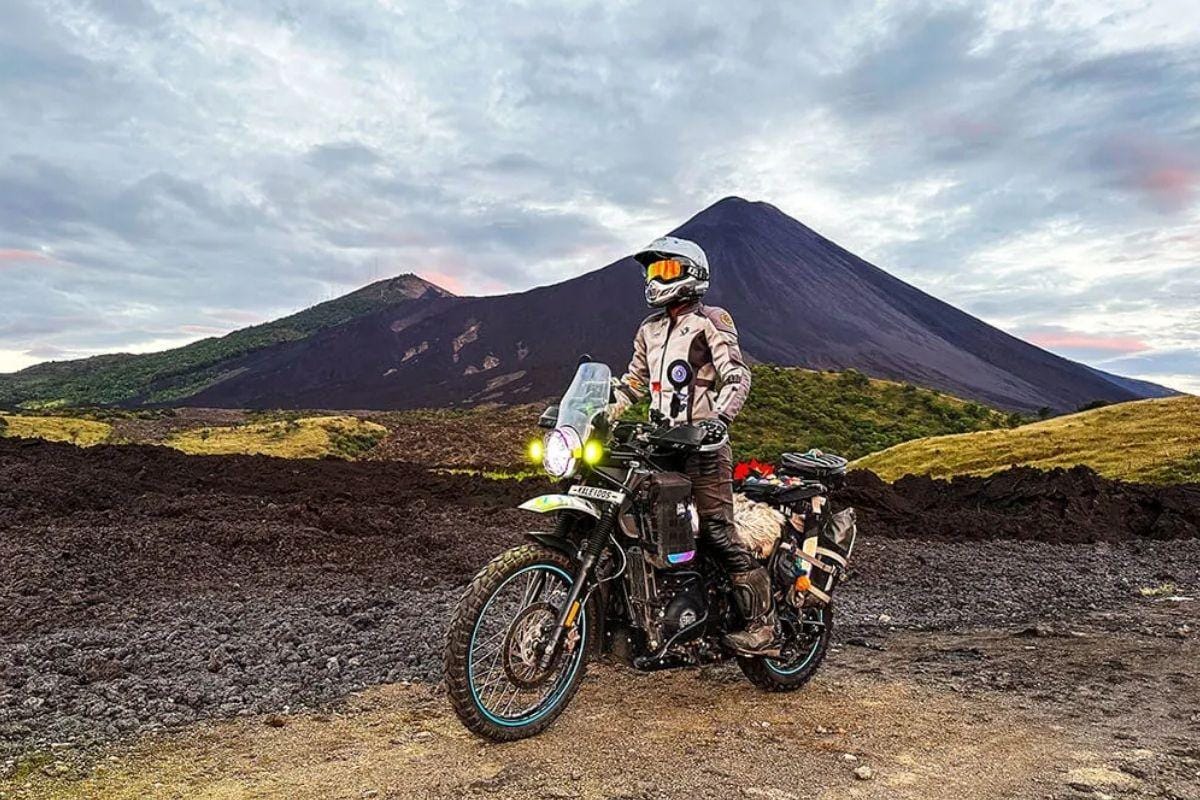
The finest motorcycle road trips provide an unexpected vista, a leisurely lunch or a road that begs to be ridden repeatedly. It’s much simpler to appreciate that independence if you work out the practical aspects before you go.
The little irritations pile up over greater distances. An overstuffed pannier, an overzealous itinerary, or a pressure point on the helmet can slowly transform a promising trip into an exercise in endurance. Good planning prevents the distractions from defining the ride.
Build the route on time cycling
Distance is a poor measure of a day’s biking. The miles may seem tiny, but mountain routes, traffic and unknown intersections take more time and focus than a clean freeway.
Plan daily stages around your experience, allowing for breaks, refuelling and delays. Decide where you will stop for the night before you are too tired to decide. Have a back-up route in case the weather turns nasty. You can download maps for offline use, but it’s always best to verify the route before you set out, rather than depending on suggestions from the satnav. Any gadget modifications should be performed when parked safely.
Give the bike a loaded shakedown
It’s not the time for a long trip to find out that maintenance has been put off too long. Check the tyre condition and pressures, brake operation, fluid levels, lights and the final drive as per the maintenance plan of the motorcycle.
Load the bike the way you want to go and take a shorter test ride. The 4WD is a little more nimble, so be aware of the load limitations, tyre pressures and suspension settings recommended by the manufacturer.
Watch how the bike handles, stops and feels at low speed. Before departing, address any strange noises, leaks or handling difficulties with the help of a certified mechanic.
Also Read: Top 7 Things To Do In Scotland For A Truly Epic Adventure
Choose a helmet for hours in the saddle
Fit should be your first consideration when comparing motorcycle helmets. A model that looks OK for five minutes may disclose painful pressure spots after a lengthier fitting. Seek proper safety approval and a secure and even fit.
When looking at touring, good ventilation, clear vision and easy visor operation are things to consider. Make sure the chin strap is comfortable, and any eyeglasses fit properly.
The full face style protects the face and chin, and a clear visor ensures visibility. If you have a tinted visor, carry a clear visor and an appropriate cleaning cloth.
Dress for changing conditions
One route might have cold mornings, pleasant afternoons and surprise rains. The adjustable layers make these adjustments easier to manage without compromising on protective covering. Check predictions throughout your trip as conditions at your destination may not be the same as at home.
Select abrasion-resistant riding apparel and suitable approved impact protectors that stay in place when you’re sitting down. There should be adjustable ventilation, and waterproof layers should be reachable.
Gloves should provide fine control without tight seams. Boots should support the feet and ankles without hindering pedal operation. Try the whole thing on together: even nice individual pieces might clash.
Pack with an eye toward balance and access
All baggage must be adequately secured and free of wheels, suspension travel and hot exhaust components. Keep larger stuff low and near to the bike’s centre where the baggage system allows, and respect its weight restrictions.
Keep waterproofs, drinking water and important documents handy, not in the bottom of a bag. Basic tools and a puncture remedy are only beneficial if they are right for the motorcycle and you know how to use them. Bring breakdown details and charged phone Important facts available offline.
Also Read: Top 10 Warm Places to Visit in Europe During UK Winter Months
Protect your concentration throughout the day
Comfort counts because distractions add up silently. Stiff shoulders, dehydration and wind noise can make a lengthy afternoon seem far more difficult than the morning. Take regular pauses before the discomfort becomes chronic, walk about while you are stopped and drink water throughout the day.
Don’t turn the intended destination into a must. If you feel sleepy or have difficulty concentrating, pull over somewhere safe and take a rest; continuing is not a test of your staying power.
Check your bike and the fastenings of your luggage at pauses. A reasonable speed, good equipment and the ability to shorten a day mean more attention to the route – and more chance to enjoy why you travelled it.
Disclaimer: This content is for general informational purposes only. Always follow local traffic laws, manufacturer guidelines, and proper motorcycle safety practices. Ride within your abilities, check road and weather conditions, and seek professional advice when needed.