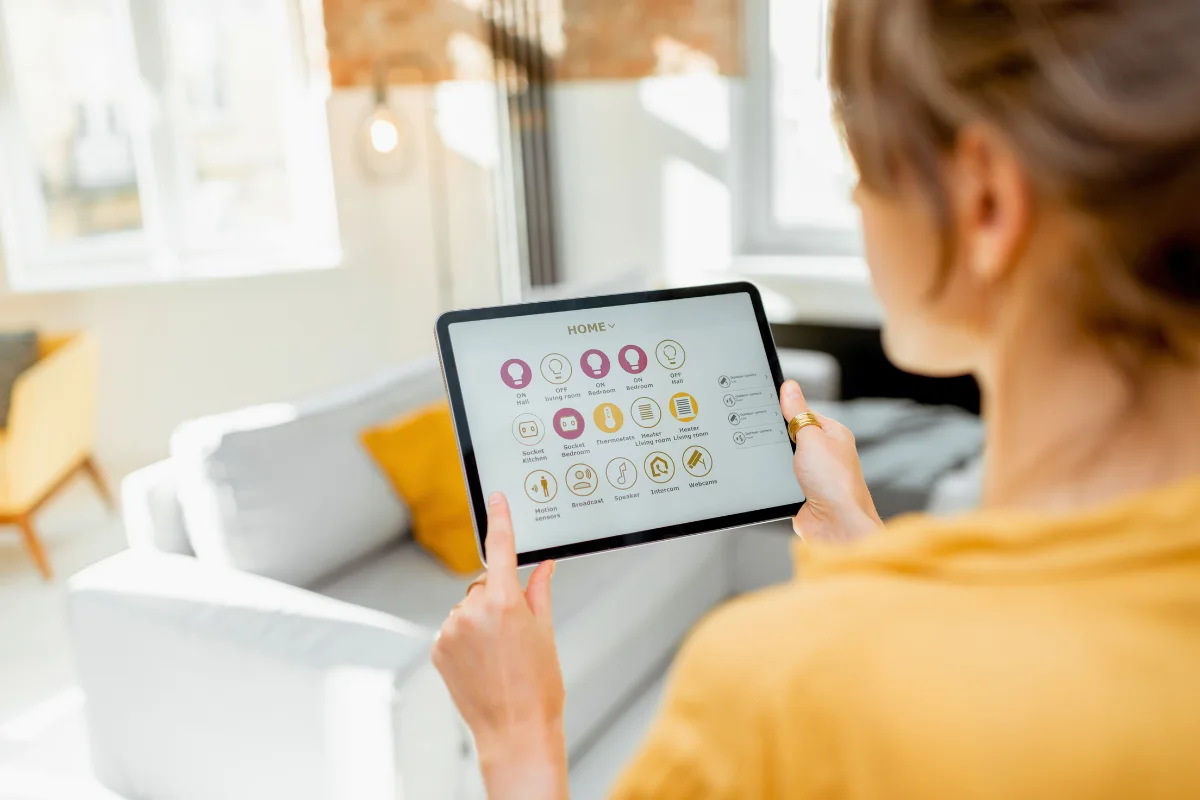
Smart home devices aren’t just voice speakers and security cameras anymore. They’re basically running UK households now, quietly handling lighting, heating, safety, all from one app on your phone. And honestly, 2026 is the first year this stuff actually plays nice together.
- Matter has more or less fixed the compatibility mess. Alexa, Google Home, and Apple HomeKit devices actually talk to each other now.
- Smart thermostats have saved UK households close to £325 million on energy bills over the past decade, according to GreenMatch.
- Video doorbells and smart locks aren’t a luxury add-on anymore. New UK builds are starting to treat them as standard.
- Smart plugs are still the cheapest way in, often under £15.
What Are The Top Smart Home Devices?
Five categories, really. Speakers and hubs, security, lighting, heating, plugs. That’s it. Most people don’t buy into all five at once—they pick one or two and build from there.
A. Speakers & Hubs
Where does everyone start? A speaker or hub, basically always. Amazon Echo and Google Nest dominate the UK market, and that’s not changing anytime soon. Both support Matter now too, so no fiddling with extra bridges to get other brands’ gadgets working. TechRadar’s testers found Google Nest Audio picks up voice commands fast, with no repeating yourself twice. And with iOS 27 now rolling out, HomeKit integration across Apple devices is smoother than ever. But if you’re an Apple household through and through—iPhones, iPads, the lot—the HomePod mini just fits better.
ALSO READ: Google OnHub Router Explained: Surprising Truth You Must Know About
B. Smart Security
Security has quietly become non-negotiable. Doorbell cameras, indoor cameras, and smart locks let you check on your home from virtually anywhere. A lot of new builds now include these as standard rather than selling them as an upgrade. Take the Nest x Yale lock, for example. It offers keyless entry with a PIN, making it ideal if you’re regularly letting in tradespeople or guests without cutting spare keys. Many homeowners are also investing in wider residential security upgrades beyond connected locks.
C. Smart Lighting
Lighting has gotten smarter too, in a good way. Philips Hue bulbs now shift brightness and colour temperature depending on the time of day. Motion sensors switch lights off in empty rooms without you lifting a finger. It’s a small thing, but it adds up. Smart homes often go hand in hand with smarter space management.
D. Smart Heating
Smart thermostats are probably the smartest financial investment here if energy bills are on your mind. They learn your routine, adjust the heating automatically, and some even sync with weather forecasts so you’re not heating an empty house before a cold snap arrives.
E. Smart Plugs
Then there are smart plugs—the cheapest entry point, full stop. They turn almost any appliance into something you can control from your phone. Forgot to switch off the iron? Sorted. Want the coffee machine running before you’re even out of bed? Also sorted.
Smart Home Devices: Features, UK Prices & Best For
| Device Type | Features | Typical UK Price | Best For |
|---|---|---|---|
| Smart speaker/hub | Voice control, central automation | £30–£150 | First-time buyers |
| Security camera/lock | Remote monitoring, keyless entry | £40–£200 | Safety-focused homes |
| Smart bulbs | Adjustable lighting, scheduling | £15–£60 | Energy savings, ambience |
| Smart thermostat | Automated heating control | £100–£250 | Cutting energy bills |
| Smart plug | Remote appliance control | £10–£20 | Budget automation |
Why The Matter Standard Matters Now
Before Matter, mixing brands was a headache. Buy a device from the wrong company, and it simply wouldn’t communicate with your existing setup. That’s changed now. You can run a Ring doorbell alongside a Google thermostat and an Apple speaker without compatibility issues. This alone has removed one of the biggest reasons people delayed investing in smart home technology.
ALSO READ: Simple Driving Habits That Show How Can You Avoid Wasting Fuel
FAQs
Q1. Do I Need A Hub To Start A Smart Home?
Not really. Many devices connect directly to your Wi-Fi. A hub simply makes managing multiple devices and brands easier as your setup grows.
Q2. Which Smart Home Device Saves The Most Money?
Smart thermostats are generally the biggest money-savers. They reduce unnecessary heating by automatically adjusting to your daily routine instead of following a fixed schedule.
Q3. Is Matter Compatibility Available On Older Devices?
Sometimes. It depends on the manufacturer and device. Some older products receive Matter support through firmware updates, while others may never be compatible.
Q4. Are Smart Home Devices Safe From Hacking?
No connected device is completely risk-free. However, using a secure router, installing firmware updates regularly, enabling strong passwords, and choosing reputable brands significantly reduces the risks.
Sources & References
- Sourceready. (2026). UK smart home market report 2026: Matter standard interoperability and security trends. Sourceready Research.
- TechRadar. (2026). Best smart home devices 2026: Google Nest Audio, HomePod mini, Nest x Yale lock. TechRadar News.
- GreenMatch. (2026). Smart home statistics: Thermostat energy savings and adoption figures. GreenMatch UK Blog.
Disclaimer: This article is provided solely for informational and educational purposes. It is not intended to promote, endorse, or recommend any specific product, brand, or service. Readers should conduct their own research and consult official sources before making any purchasing or usage decisions. The information presented may change over time and should not be considered professional advice.