Loft conversions are the home improvements that add the most value in the UK, usually pushing property prices up by 10 to 25%. Extensions and kitchen or bathroom refreshes come next.
Some home improvements make you real money when you sell. Others just sit there looking nice. Loft conversions win because they hand you a whole new room without eating into the garden or changing your footprint. Extensions do something similar, just at a bigger price tag and a smaller percentage back.
Kitchens and bathrooms are the cheap seats here. Spend a bit, and you often get all of it back, sometimes more. Energy efficiency has quietly become a bigger deal too, with buyers and lenders both watching EPC ratings closer than they used to.
And a fair warning: a few projects, like pools or anything too personal to your own taste, can actually cost you money at resale.
- Loft conversions are consistently the highest ROI home improvement in the UK, adding 10 to 25% to property value depending on type and location.
- Well-designed single-storey extensions typically add 10 to 15% to value for costs of £45,000 to £85,000, while double-storey builds can reach £120,000+.
- Kitchen and bathroom refreshes deliver strong returns of 60 to 100% ROI on the money spent.
- Energy efficiency upgrades that elevate a property to an EPC rating of A or B add an average 3.4% sale premium over D-rated homes (with a D-to-C shift adding roughly 1% to 2%).
- Swimming pools, over-personalisation, and poor quality DIY tend to reduce value or add nothing.
- Location, property type, and quality of workmanship all significantly affect actual returns.
Not every home improvement pays you back. Some genuinely make your house worth more. Others just make it nicer to live in without moving the needle on price, and a few, oddly, can actively put buyers off. If you’re weighing up where to spend money on your house, knowing the difference matters more than most people realise before they start knocking down walls.
Loft Conversions: The Highest Return Available
So what home improvements add the most value? A loft conversion is almost always the first answer worth taking seriously. It turns an unused structural footprint—essentially dead air under the roof—into a proper bedroom, office, or bathroom without eating into your garden.
The numbers back this up consistently across multiple sources. A well-executed loft conversion typically adds 10 to 25% to a property’s value, with the exact figure depending heavily on the type of conversion. A simple Velux conversion, where windows go into the existing roofline without altering its shape, adds the least, generally 5 to 10%.
Dormer and hip-to-gable conversions, which change the roof structure to create more headroom, land in the 10 to 15% range. L-shaped and mansard conversions, the most ambitious and expensive options, can add 15 to 25%, particularly in urban areas where space is genuinely scarce.
For a £500,000 property, that range translates to anywhere between £50,000 and £125,000 in added value, against a modern build cost typically running £22,500 to £80,000 depending on the conversion type.
The return on investment is frequently the highest of any major home improvement precisely because the structural shell already exists. There’s an added bonus too: a loft conversion often bumps your EPC rating up by one or two bands, since new space must be built to current Part L insulation standards, adding a further £3,000 to £8,000 in value on top of the bedroom uplift itself.
ALSO READ: Luxury Modular Houses: Redefining Modern British Architecture
House Extensions: Space That Sells
Extensions work on a similar principle to loft conversions but tend to cost more and deliver a slightly lower percentage return relative to what you spend, though the absolute pound value can still be significant on higher-priced homes.
A standard single-storey extension typically adds 10 to 15% to a property’s value, with all-in build costs usually running between £45,000 and £85,000 depending on scope. However, for larger projects, the ceiling is much higher.
Research from Nationwide Building Society found that major extensions adding genuine, multi-room floor area can add up to 24% to a property’s value in the strongest cases – a figure that has steadily crept up over the past decade from around 20%. For an ambitious double-storey build, costs can quickly scale to £120,000 or more.
Extensions tend to work best when they create open-plan kitchen and family living space, since that’s what a large share of buyers are actively searching for right now. The lifestyle case matters here too, not just the resale case. A larger kitchen or a proper home office adds genuine day-to-day value to how a family uses the house, separate from whatever it does to the eventual sale price.
Kitchens And Bathrooms: Smaller Spend, Strong Returns
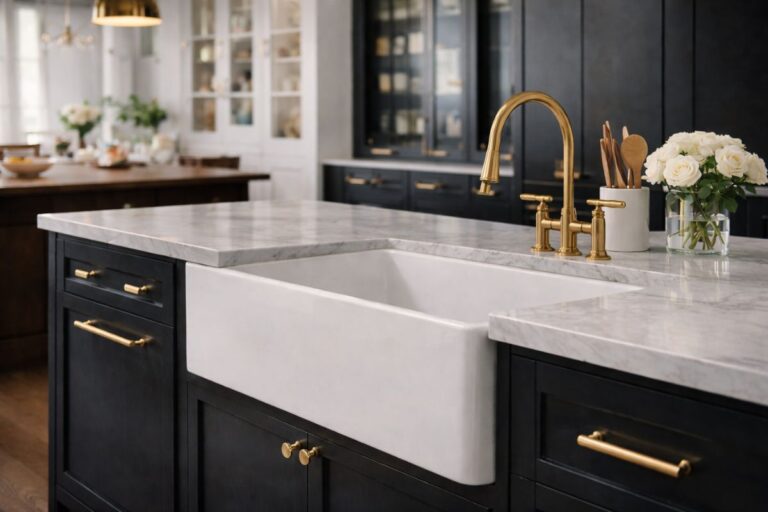
Not everyone has £60,000 to put into an extension. Kitchen and bathroom renovations sit at a very different price point and still deliver some of the strongest percentage returns available.
A kitchen or bathroom update will set you back somewhere in the £8,000 to £25,000 range (or £4,500 to £25,000 if including smaller en-suite or cloakroom refreshes). The good news is you’ll likely see most of that money again at sale, sometimes every bit of it. Buyers don’t skim past kitchens on a viewing. They stop and stare. A dated one is basically an invitation to lowball you before negotiations have even properly started.
Energy Efficiency: The Improvement Buyers Now Expect
This is the category that’s changed most in the last few years. Improving a property’s EPC rating from Band D to Band A or B adds an average 3.4% sale premium according to Oxford Economics research, while a shift from D to C typically delivers a 1% to 2% uplift, on top of ongoing savings on energy bills.
ALSO READ: How Much Does Underfloor Heating Cost In The UK? — A Detailed Breakdown
Buyers in 2026 are noticeably more EPC-aware than they were even two years ago, and mortgage lenders increasingly factor energy efficiency into affordability assessments and green mortgage products. What used to be a nice-to-have is edging closer to a genuine expectation, particularly for anyone selling to a first-time buyer navigating tighter lending criteria.
UK Home Improvements: Cost vs. Estimated Return at a Glance (2026 Data)
| Project Type | Average Cost Range (£) | Estimated Value Added (%) | Estimated ROI (%) | Typical Completion Time |
| Loft Conversion (Dormer / Mansard) | £22,500 – £75,000 | 10% – 25% | 70% – 110% | 6 – 10 weeks |
| Single-Storey Extension | £45,000 – £85,000 | 10% – 15% | 60% – 85% | 8 – 14 weeks |
| Full Kitchen Renovation | £8,000 – £25,000 | 5% – 10% | 70% – 100% | 2 – 4 weeks |
| Bathroom Replacement | £4,500 – £15,000 | 3% – 5% | 60% – 80% | 1 – 2 weeks |
| EPC Upgrade (Band D to A/B) | £6,000 – £15,000 | 3.4% – 5.0% | 50% – 75% | 1 – 3 weeks |
| Landscaping & Outdoor Living | £3,000 – £10,000 | 2% – 5% | 50% – 70% | 1 – 2 weeks |
Source: Data compiled from Checkatrade UK Renovation Cost Guides, RICS Property Value Benchmarks, and Costwise Data (2026).
Kerb Appeal: The Cheap Win Nobody Talks About
Improving the outside of a house- a smart front door, tidy landscaping, a repainted exterior- doesn’t add value in the same dramatic percentage terms as a loft conversion. Pairing that kerb appeal with durable entrance matting at the front door also keeps mud and rain from being tracked straight onto new flooring inside. What it does is affect whether a buyer wants to view the property at all, and first impressions shape the price a buyer is psychologically willing to offer before they’ve even stepped inside.
What Doesn’t Add Value?
Just as important as knowing what works is knowing what doesn’t. Swimming pools rarely add value in the UK given the climate and the ongoing maintenance cost, and can actively deter buyers who see them as a liability rather than a luxury. Over-personalisation, bold colour schemes, unusual layouts, anything highly specific to your own taste, narrows your buyer pool rather than widening it.
Poor quality DIY work is worse than doing nothing at all, since buyers and surveyors alike spot it immediately and it raises doubts about what else in the house might have been done on the cheap. Over-improving relative to your street, installing a finish or scale of renovation well beyond what similar local properties command, rarely gets fully recouped, since the ceiling on what buyers will pay is set by the neighbourhood, not by your individual house.
And converting a bedroom into a bathroom or home office, without adding one elsewhere, typically reduces value, since bedroom count remains one of the biggest single drivers of what a property is worth.
Getting It Right
The improvements that add the most value share a common thread: they either create genuinely new usable space or they fix something a buyer would otherwise have to budget for themselves. Before committing to any major project, check recent sold prices for similar improved properties on your street, and talk to a local estate agent about what’s actually selling in your specific area.
A loft conversion that adds 20% in London might only add 10% somewhere with less pressure on space, and the right project for your home depends on your existing layout, your plot, and what local buyers are genuinely looking for.
ALSO READ: Should I Rent or Buy a House? What Makes Sense in Today’s Market
FAQs
Q1. What Home Improvement Adds The Most Value In The UK?
Nothing beats a loft conversion for this. It typically adds 10 to 25% to your property’s value, though the actual figure shifts depending on the conversion type and your location, especially in areas where space is tight.
Q2. Do Kitchen Renovations Add Value To A House?
Definitely. A kitchen or bathroom update costing anywhere from £8,000 to £25,000 (or £4,500 to £25,000 for smaller room updates) tends to bring back 60 to 100% of that spend at sale, provided you match the quality of the finish to the overall price point of the house.
Q3. Is A Loft Conversion Or Extension Better For Adding Value?
It depends what you’re after. Loft conversions tend to give a stronger percentage return because they’re cheaper to build. Extensions give you more physical space and work well for open-plan living, so your budget and current layout will point you toward the right one.
Q4. Do Energy Efficiency Improvements Actually Add Value?
Yes, they genuinely do. Reaching an EPC rating of Band A or B commands an average 3.4% price premium over D-rated homes according to Oxford Economics (with a D-to-C upgrade adding roughly 1% to 2%), and more buyers than ever are factoring this in before they make an offer.
Q5. What Home Improvements Should I Avoid?
Steer clear of swimming pools, overly personal design choices, rough DIY jobs, renovations that go far beyond what’s normal for your street, and swapping a bedroom for a bathroom or office without replacing it elsewhere in the house.
Sources & References
- Wikipedia. (2026). Home improvement.
- Lynch Brothers Homes. (2026). What adds the most value to a house in the UK?
- Tacman. (2026). Top UK renovations to increase property value.
- BestBuilders. (2026). How much does a loft conversion add to house value?
- Better Home Studio. (2026). How much value does a house extension add in London?
- LCCL Construction. (2026). How much value does a loft conversion add in London?
- Loft Compare. (2026). How much value does a loft conversion add?
Disclaimer: This article is provided for general informational and educational purposes only and does not constitute professional financial, real estate, or legal advice. The figures and percentage estimates mentioned are based on broad UK market trends, and individual results will vary depending on property location and specifications. This content is published strictly for informational clarity and is not intended for promotional purposes or service endorsement. Readers are advised to consult accredited local estate agents and financial advisors prior to initiating property renovations.