Home extensions and renovations feel exciting at first. Then reality kicks in. The skip turns up late. Rubble covers the driveway. Builders stand around waiting. Honestly, it happens more often than people expect. Waste removal sounds minor during planning. It really doesn’t stay minor for long. Get it sorted early, and the whole project feels smoother. Leave it too late, though, and you’ll waste time, money, and quite a bit of patience too.
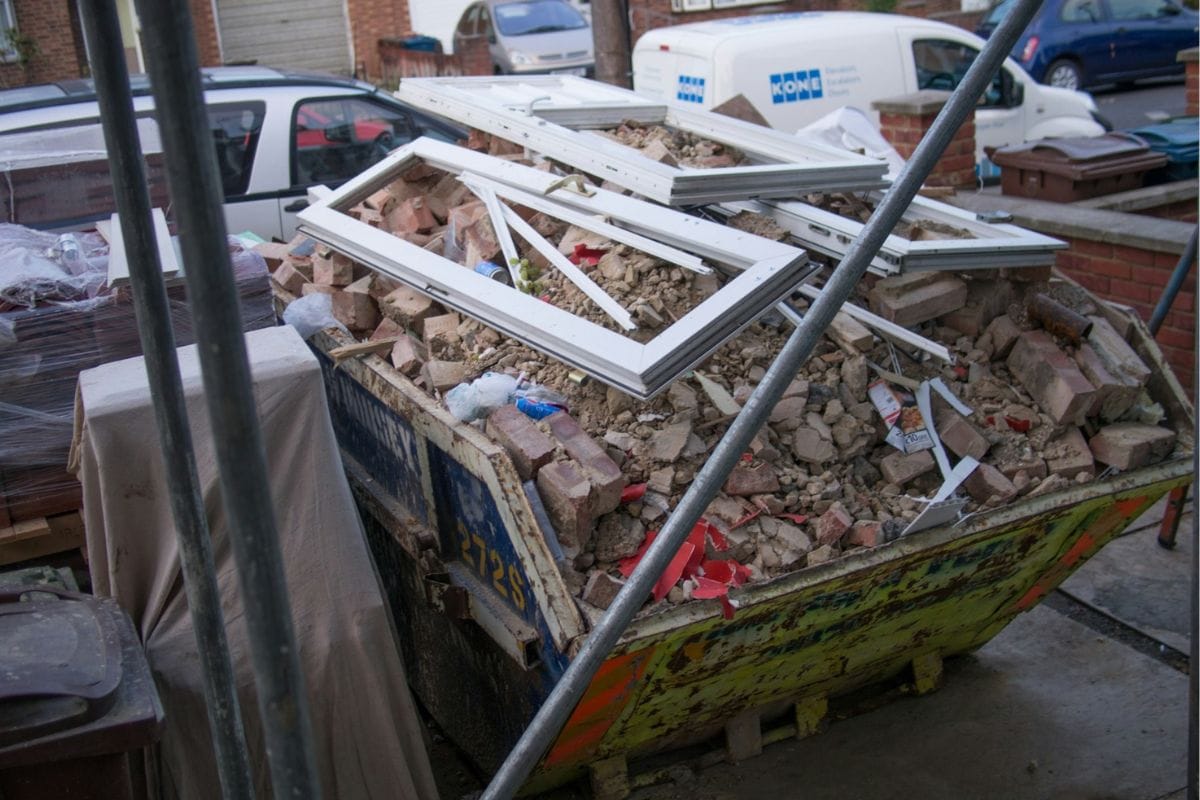
Picture this for a second. The builders arrive. Demolition starts. Two days later, broken bricks pile up fast. Old timber leans against the fence. Plasterboard sits everywhere. There’s suddenly nowhere to put anything. You’d think people would plan for this more often, but oddly enough, many don’t. A little preparation changes everything. If you’re getting ready for a home extension or renovation, arranging skip hire before work starts is one of the smartest moves you can make. Seriously. Don’t leave it until rubble starts spilling across the garden. By then, stress levels climb pretty quickly.
Why Waste Removal Planning Matters Before Work Begins
Construction waste shows up fast. Faster than most homeowners expect, actually. One minute, the site looks tidy. Next minute, debris is everywhere. Without a proper disposal plan, builders end up working around piles of waste. That slows everything down. It also creates safety risks. And let’s be real, nobody wants contractors arguing over where rubbish should go instead of getting on with the actual build.
There’s also the legal side of things. Not the most exciting part, sure, but it matters. If you’re commissioning the work, you hold a Duty of Care for the waste. That means it must be disposed of properly. You need a licensed waste carrier. You also need a waste transfer note showing where the waste ended up. It sounds formal, maybe even slightly annoying, but it’s pretty straightforward when you choose the right provider early on.
ALSO READ: Small Shower Room Ideas That Actually Work – Even in a Tiny UK Bathroom
What Waste Does A Home Extension Or Renovation Actually Generate?
The short answer? More than people think. Almost always more. A rear extension creates large amounts of heavy waste. Broken concrete. Bricks. Hardcore. Excavated soil. Then there’s timber, plasterboard, insulation scraps, packaging, and random site rubbish that somehow multiplies overnight. Loft conversions bring their own mess, too. Roof tiles. Old joists. Dusty insulation. Plus years of forgotten clutter hiding in the loft. Funny how much stuff people store up there.
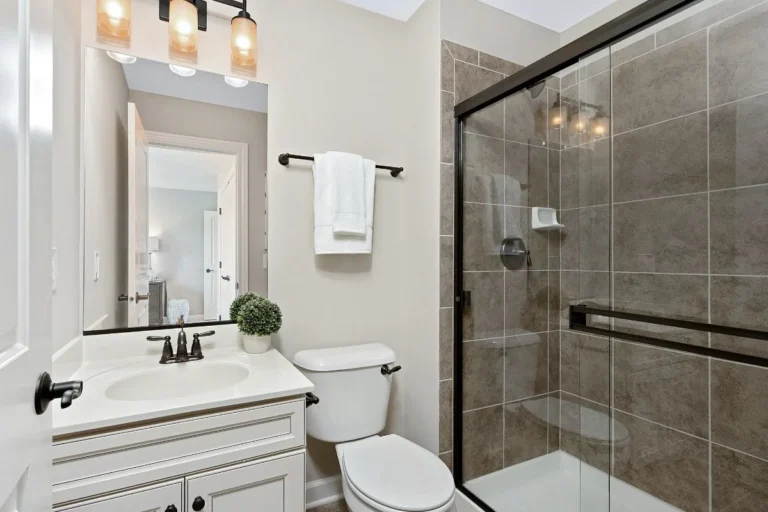
Kitchen and bathroom renovations create a different mix altogether. Old cabinets come out. Tiles get smashed up. Baths, sinks, toilets, pipework, flooring — all gone. Then, new packaging arrives constantly. Cardboard everywhere. Full-house refurbishments combine all these waste streams together. Sometimes older properties add extra complications, too. Especially when older materials need specialist disposal.
Understanding the likely waste volume helps massively. It gives you a better idea of skip size. It also helps you plan collections properly instead of scrambling halfway through the project.
Choosing The Right Skip Size For Your Project
Choosing the correct skip size early saves hassle later. It also saves money, which nobody complains about. B&K Environmental Services Ltd offers three common skip sizes. Each works better for different project types.
A. 8yd Skip — For Smaller, Contained Jobs
The 8yd skip suits smaller projects well. Think single-room refurbishments. Bathroom strip-outs. Kitchen updates. Garage clearances. Maybe a garden tidy-up too. It holds a decent amount of waste without swallowing the entire driveway. That matters around Northwood, where parking space can feel tight sometimes. As a rough estimate, it fits around 60 to 70 bin bags of waste. Plenty for smaller jobs. Probably not enough for major renovations, though.
B. 12yd Skip — The Renovation Workhorse
For most renovations, the 12yd skip makes the most sense. It handles loft conversions nicely. Multi-room refurbishments too. Larger kitchens. Bigger bathrooms. Even medium landscaping jobs fit comfortably. The extra space helps more than people realise. Renovations always uncover surprises. Always. Hidden pipework appears behind walls. Old flooring lurks under laminate. Ceilings suddenly need replacing instead of patching. A little spare skip space prevents those surprises from becoming massive headaches.
C. 16yd Skip — For Extensions And Full-House Projects
Larger extensions create serious waste volumes. Especially two-storey rear extensions. Soil piles up quickly. Hardcore and concrete arrive in waves. Timber stacks grow taller every day. During demolition alone, a 16yd skip can fill surprisingly fast. For full-house projects or large landscaping work, this size usually proves most cost-effective. Fewer skip swaps mean less disruption. The site stays cleaner too, which honestly helps morale on long projects.
For really large jobs, B&K also supplies roll-on/roll-off containers. These come in 20yd and 40yd sizes. They’re mostly used on commercial sites. Bigger residential developments use them too when waste becomes constant.
Access, Permits, And Placement In Northwood
Northwood has plenty of residential properties with driveways. Detached homes. Semi-detached homes. Many offer decent space for skip placement. That’s useful because off-street placement usually avoids permit requirements. It also keeps skips off the road, which neighbours tend to appreciate.
Sometimes driveway placement isn’t possible, though. In those cases, skips may need to sit partly on the road or pavement. That requires a permit from Hillingdon Council’s highways department. Applications should be submitted early. Five to seven working days is usually recommended. Skips placed overnight also need reflective markers and warning lights. Not glamorous, but necessary.
B&K can help determine whether your property needs a permit. They can also guide you through the application process. It’s easier than people expect. Still, many homeowners forget until delivery day. By then, options become limited, and stress levels rise fast. Protective boards under the skip help too. Especially on block paving or newer tarmac. And honestly, giving neighbours a quick heads-up about delivery dates avoids unnecessary tension later.
Timing Your Skip Hire Around The Build Schedule
One of the biggest renovation mistakes involves timing. Not skip size, surprisingly. Timing. Different construction phases create different waste types. A skip arriving too early can fill before major demolition even begins.
Groundwork and demolition phases usually create the heaviest waste. Soil. Hardcore. Broken masonry. Concrete chunks. These materials add weight quickly. Sometimes, grab hire works better during this stage. Mid-build phases create lighter but bulkier waste instead. Timber. Insulation. Plasterboard. Endless packaging. The final stages usually produce smaller mixed waste volumes. By that point, everyone just wants the project finished, honestly.
ALSO READ: The Evolution Of Storage Beds: From Hidden Drawers To Modern Designs
Hazardous Waste And Banned Items — What Cannot Go In A Skip
This part matters more than people realise. Some renovation materials cannot legally go into standard skips. They require specialist disposal instead.
Asbestos is the biggest concern. Especially in older Northwood homes built before the 1980s. It often hides in floor tiles. Ceiling coatings, too. Pipe lagging. Roof materials. Sometimes you don’t discover it until renovation work starts, which can feel pretty stressful. Asbestos must be removed by licensed professionals. It cannot go into general skips under any circumstances. B&K provides specialist asbestos removal services and can advise on safe handling if asbestos appears during the project.
Other banned items include gas cylinders, tyres, electrical appliances, large batteries, medical waste, and hazardous chemicals. Paints, fuels, and solvents fall into that category, too. If you’re unsure about a material, ask before loading the skip. It’s much easier sorting things early than dealing with a refused collection later. Trust me, nobody enjoys that conversation.
ALSO READ: How Rooflights Improve Natural Daylight Distribution
Your Pre-Project Skip Hire Checklist
Before work starts, go through these practical steps:
- Survey the site carefully. Estimate waste for each project phase.
- Measure driveway space. Check for awkward access points too.
- Choose the correct skip size. Usually 8yd, 12yd, or 16yd.
- Check permit requirements early. Allow time for approval.
- Tell contractors what can enter the skip and what cannot.
- Schedule collections around demolition, mid-build, and finishing stages.
- Identify hazardous materials before renovation work begins.
- Place protective boards under the skip on delivery day.
- Request a waste transfer note. Keep it safely for records.
It’s not a huge checklist. Still, sorting these details early saves serious hassle later. Funny how small planning decisions can make such a massive difference once the dust starts flying.
Sources & References
- List Local Directory. (2026, March 29). Skip hire cost UK 2026: The ultimate guide.
- WRC Skip Hire. (2026). 2026 guide to skip hire for home renovations.
- Royal Institute of British Architects. (2025). Waste management and building regulations in UK housing projects. RIBA Publications.
- Gov.uk. (2025). Duty of care: Waste transfer notes and licensed carriers guidance. HM Government.
Disclaimer: This article is provided for informational and educational purposes only. It is not intended as professional, legal, construction, or waste management advice, nor should it be considered promotional content for any company or service mentioned. Readers are advised to consult qualified professionals and local authorities before making renovation, construction, or waste disposal decisions. The publisher is not responsible for any actions taken based on the information provided in this article.