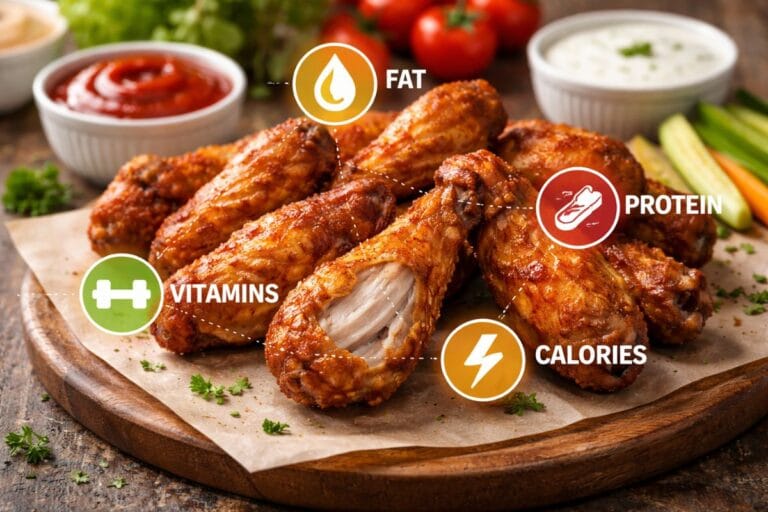
The healthiest foods to add to your plate every day include fruits, vegetables, fish, whole grains, legumes, nuts, seeds, dairy, healthy fats & lean proteins. Rather than relying on one “superfood,” eating a varied, nutrient-rich diet provides vitamins, minerals, fibre, healthy fats & protein your body needs for overall health.
Take a deep breath. I’m about to expose the whole food industry for you: the single healthiest food does not exist. Never has. All those “eat THIS one thing” headlines? Your body doesn’t need something specific. It needs fruit, veg, oily fish, nuts, grains, and a bit of meat, all mucking in together.
The secret is variety, and it is gloriously easy. Load your plate with colour, keep it balanced, and you’re done. Simple foods such as potatoes can also be part of a balanced diet, especially when prepared using a crispy baked jacket potato recipe. Now let’s go shopping.
- No food is a one-stop shop. Spread it about.
- Fibre, vitamins and good fats are the essentials.
- Swap avocado for mayo and fish for steak and watch how it adds up.
Daily Nutrition Guidelines & Key Statistics Table
| Food Category | Recommended Intake | Statistical Benchmark Target | Primary Health Impact |
|---|---|---|---|
| Vegetables | 2.5 to 3 cups/day | 400g+ combined daily fruit & veg target (WHO) | Detoxification (Glucosinolates), eye health (Lutein) |
| Fruits | 1.5 to 2 cups/day | Provides 25–30% of daily recommended dietary fibre | Brain & memory health (Anthocyanins), satiety |
| Oily Fish | 2 to 3 servings/week (8–12 oz) | 250–500 mg daily EPA/DHA Omega-3 target (AHA) | Significantly lowers risk of heart disease & stroke |
| Whole Grains | 2 to 4 servings/day | Helps hit the 28g–34g adult daily fibre threshold | Lowers cholesterol (Beta-glucans) & feeds gut flora |
| Nuts, Seeds & Beans | 1 oz nuts or 1/2 cup cooked beans daily | Chia seeds pack 9.75g fibre per 28g (1 oz) serving | Controls blood pressure & supports thyroid function |
| Lean Protein & Dairy | 1.2 to 1.6g protein per kg body weight/day | ~50g to 75g total daily protein for average adult | Maintains lean muscle mass & gut health (Probiotics) |
Source: Compiled based on guidelines from the USDA Dietary Guidelines for Americans, American Heart Association (AHA), and World Health Organisation (WHO).
Fruit
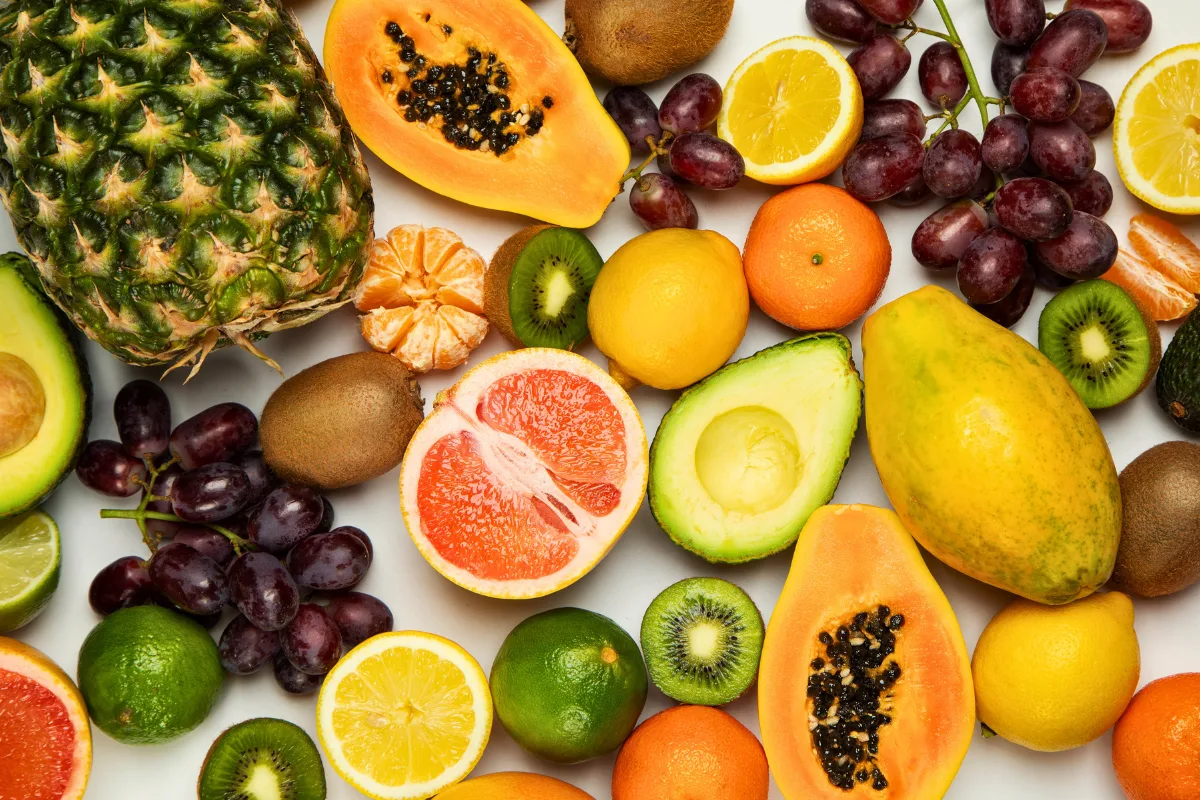
Honestly, fruit does all the work for you. No peeling stress, no cooking, just grab and go. Apples are sneakily filling (cheers, fibre and vitamin C), so they’ll shut up your stomach between meals.
Bananas? Potassium, vitamin B6, and fibre can be easily added to any bag. Oranges are rich in vitamin C. Strawberries have the low-carb, low-cal pudding you didn’t know you needed.
Then avocado breaks all the rules. Most fruit is light and sweet — avocado’s a creamy fat bomb (the good fat!) with fibre, potassium and vitamin C. Toast topper. Mayo replacer. And the fruit bowl doesn’t stop there: cherries, grapes, kiwis, mangoes, pineapples, plums, and more.
But berries? Berries are the divas of the bunch. The Mayo Clinic calls blueberries a low-calorie hit of fibre and vitamin C, with plant compounds called “anthocyanins” that give them their colour and are linked to memory health.
ALSO READ: How To Increase Weight In 7 Days: A Healthy Plan for Rapid Progress
Veggies
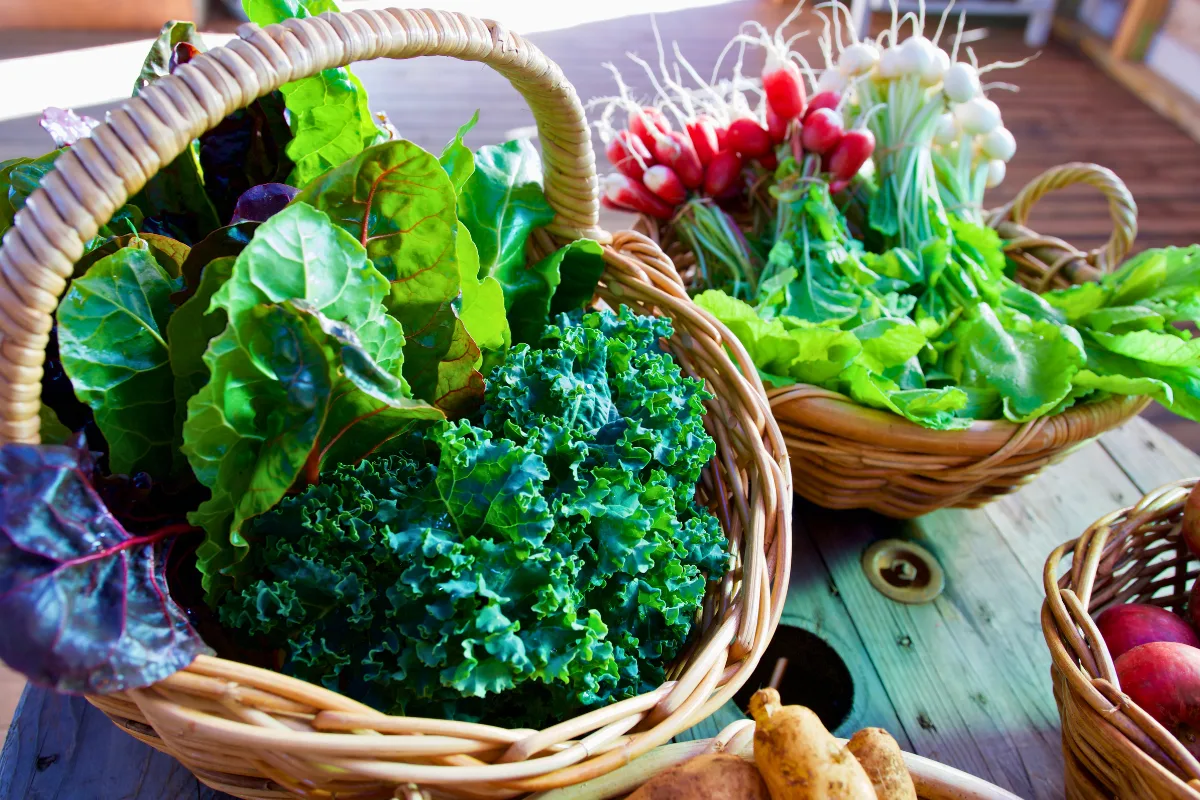
Plot twist nobody talks about: calorie for calorie, veggies are one of the most nutrient-stuffed foods on Earth. Those colours aren’t just decoration — each shade is a different nutrient waving at you. Broccoli, kale, carrots, peppers, spinach, cauliflower, garlic, onions, and asparagus all have health benefits.
All types of broccoli are nutritious. Alex Nella, a paediatric dietitian over at UC Davis Health, spells it out: “These foods are rich in nutrients, including glucosinolates, which are key in detoxification processes. These are best served raw or quick-steamed for five to ten minutes.”
Spinach hands your eyes lutein and zeaxanthin. Carrots are a great source of beta carotene. Garlic circulates in allicin, with antioxidant and antimicrobial powers. And beetroot has dietary nitrates that turn into nitric oxide and might just supercharge your workout stamina.
Fish, Meat, And The Egg
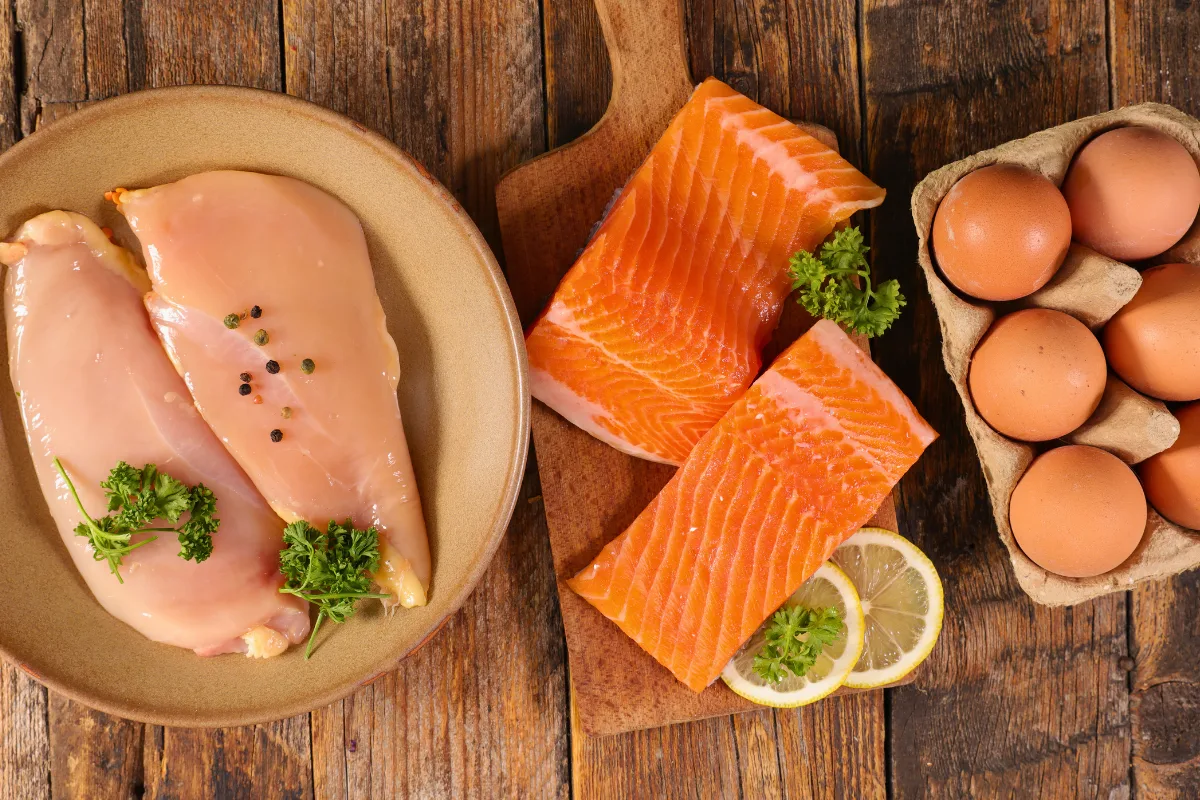
If you change ONE thing today, eat more oily fish. Salmon, sardines, and trout are rich in omega-3s and lower in mercury than most seafood. Science says oily fish are a win for both the heart and brain.
Bob Canter, a professor of surgery, puts it straight: “Eat plenty of fish, which are high in healthy omega 3 fatty acids, and smaller portions of red meat to reduce your risk of diseases like stroke, heart disease and cancer.”
The nutrition experts at UCSF Health recommend two to three servings of fish per week, with a serving defined as 3 to 4 ounces of cooked fish. Shellfish, shrimp and tuna are welcome too — just go for responsibly sourced and low-mercury options.
Meat’s not banished. Lean beef brings protein and iron your body actually soaks up. Chicken breast is the lean muscle builder. Lamb and mutton, from grass-fed sheep, tilt higher in omega-3s. And eggs were being cancelled for years over cholesterol. It is a myth. It is a proper protein source.
Nuts, Seeds And The Beans
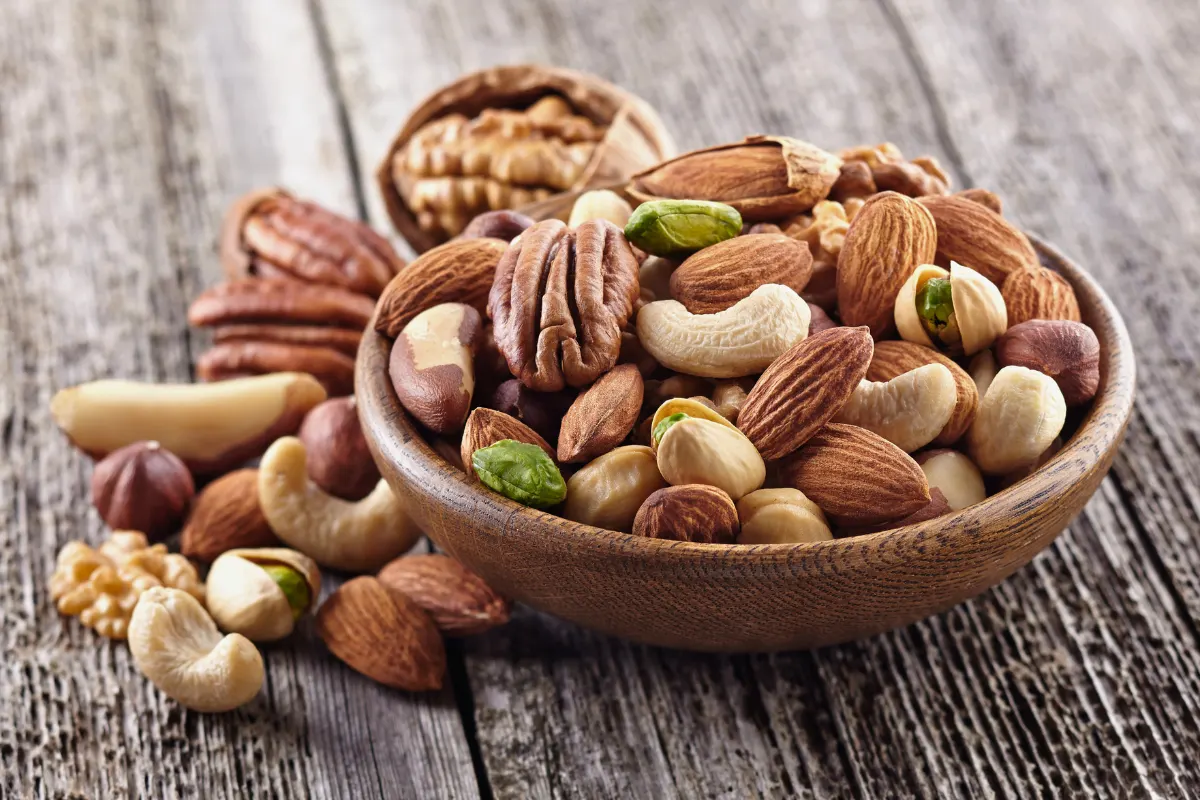
Nuts and seeds are the ultimate zero-effort snack, and they may lower your risk of heart disease and cancer. Almonds are a source of vitamin E, magnesium, fibre and antioxidants.
Chia seeds are tiny flexers: one 28g ounce packs in 9.75 grams of fibre, plus calcium and magnesium. Walnuts, macadamias, coconut, and Brazil nuts (rich in thyroid-loving selenium) all contribute their share.
Legumes are a source of protein, iron and fibre, all in one humble package. Sling beans, lentils and chickpeas into soups, stews, salads and dips. And here’s a cracker: peanuts aren’t nuts at all, they’re legumes, and one study found they may help with weight loss and blood pressure. One rule though — cook kidney beans properly, because raw they’re actually toxic.
ALSO READ: The Art of Cooking The Perfect Corned Beef Hotpot That Never Lets You Down
Grains, Bread And The Dairy Products
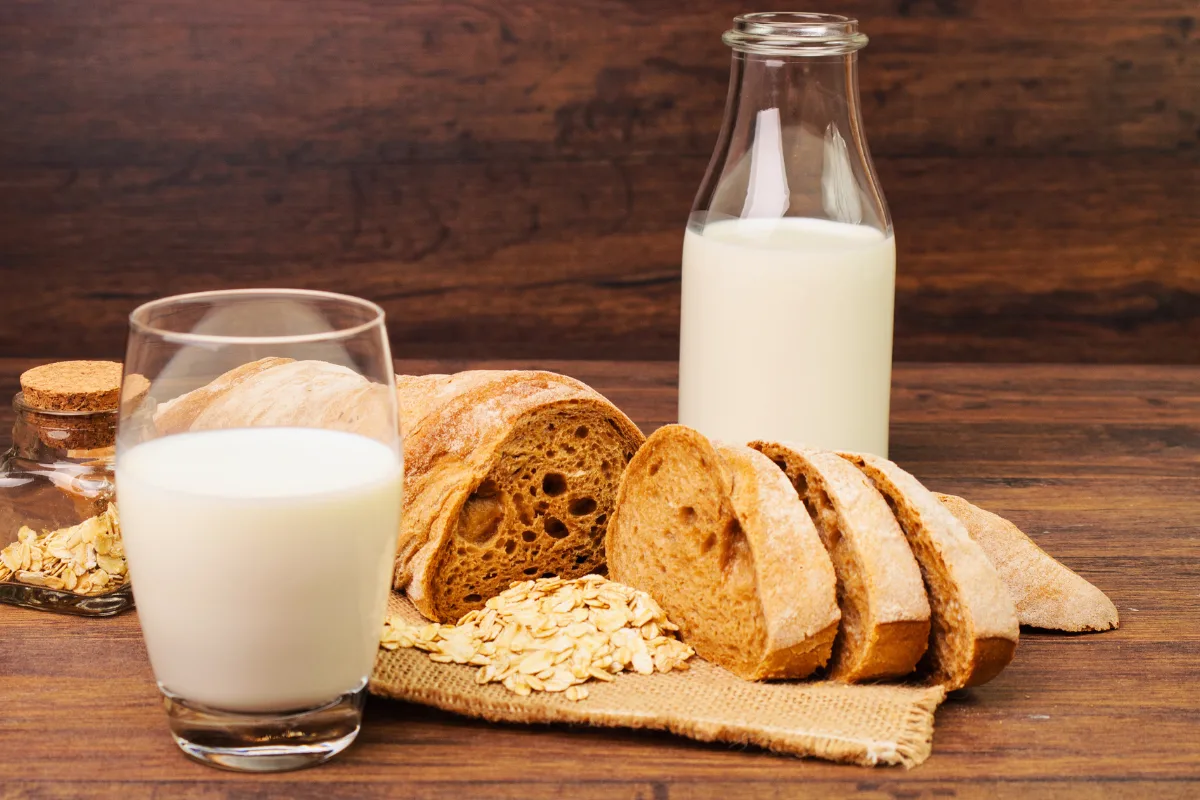
Whole grains are your slow-release fuel. Oats pack beta-glucans, crafty fibres that lower cholesterol and feed your gut’s friendly bacteria. Quinoa serves up fibre, magnesium and plant protein, with a low glycaemic index. Brown rice beats white hands down, and wheat germ is a belter of a thiamin source.
Bread shopping? Flip the packet. Hunt for the most fibre and the least added sugar. Ezekiel bread, made from sprouted grains and legumes, is a proper smart pick.
Dairy product consumers, you should eat cheese, milk and yoghurt for protein, calcium and vitamins. Yoghurt with live cultures adds friendly probiotic bacteria. Cheese leans fatty, so pick the less processed stuff.
Fats, Spuds And Chocolate

Fat’s been done dirty for decades. Pure olive oil is one of the healthiest oils out there, loaded with heart-happy monounsaturated fat. Coconut oil, though — careful — it bumps up LDL (bad) cholesterol more than other plant oils, so don’t go wild.
Potatoes deliver potassium, a little of nearly every nutrient, and that lovely full feeling. Sweet potatoes are beta carotene central. Apple cider vinegar might steady your blood sugar after eating.
And dark chocolate has flavonoids, though the American Heart Association gently reminds us to enjoy them in moderation for the joy, not the health badge.
Everyday Nutrition Quick-Reference Guide
| Food Category | Standout Options | Key Nutrients & Active Compounds | Primary Health Benefits |
|---|---|---|---|
| Fruit | Blueberries, Apples, Avocados, Bananas, Oranges | Fibre, Vitamin C, Potassium, Anthocyanins, Healthy Fats | Supports memory health, keeps you full, replaces unhealthy fats |
| Veggies | Broccoli, Spinach, Carrots, Garlic, Beetroot | Glucosinolates, Lutein, Beta Carotene, Allicin, Nitrates | Aids natural detox, protects vision, boosts workout stamina |
| Fish & Meat | Salmon, Sardines, Lean Beef, Chicken, Eggs | Omega-3s, Iron, Complete Protein, Vitamin B | Promotes heart and brain health, aids muscle repair |
| Nuts & Seeds | Almonds, Chia Seeds, Walnuts, Beans, Lentils | Vitamin E, Magnesium, Selenium, Fibre, Plant Protein | Supports heart & thyroid health, manages blood pressure |
| Grains & Dairy | Oats, Quinoa, Ezekiel Bread, Live-Culture Yoghurt | Beta-Glucans, Calcium, Probiotics, Low-GI Carbs | Lowers cholesterol, feeds healthy gut flora, sustained energy |
| Fats & Extras | Extra Virgin Olive Oil, Sweet Potatoes, Dark Chocolate | Monounsaturated Fats, Beta Carotene, Flavonoids | Supports cardiovascular health, balances post-meal blood sugar |
Source: Compiled from expert insights and clinical guidelines from Mayo Clinic, UC Davis Health, UCSF Health, the American Heart Association, and Healthline.
What Is The Healthiest Food In The World?
Still no single winner, sorry to disappoint. But the 50 healthy food list at Healthline crunched the nutrient-density numbers and crowned the richest: organ meats, small fish, dark green leafy vegetables, bivalves such as oysters and clams, crustaceans such as lobster and shrimp, goat meat, beef, eggs, milk, canned fish with bones, mutton and lamb.
The Bottom Line
Stop hunting the “perfect” food. It’s a myth. Just fill your plate with variety and real, whole ingredients, and let the little daily tweaks quietly work their magic. Every bite counts. And if you’re unsure, have a proper natter with your doctor or a dietitian.
Sources & References
- Wikipedia. (2026). Healthy Diet.
- Healthline Nutrition. (2026). 50 super healthy foods.
- UCSF Health Articles. (2026). Top ten foods for health.
- Mayo Clinic Healthy Lifestyle. (2026). 10 great health foods.
- UC Davis Health Blog. (2019, April). Top 15 healthy foods you should be eating.
Disclaimer: This article is provided solely for general informational and educational purposes. It is not intended to promote any product, service, brand, or medical treatment. The information should not be considered professional medical, nutritional, or healthcare advice. Always consult a qualified healthcare professional before making changes to your diet or lifestyle.