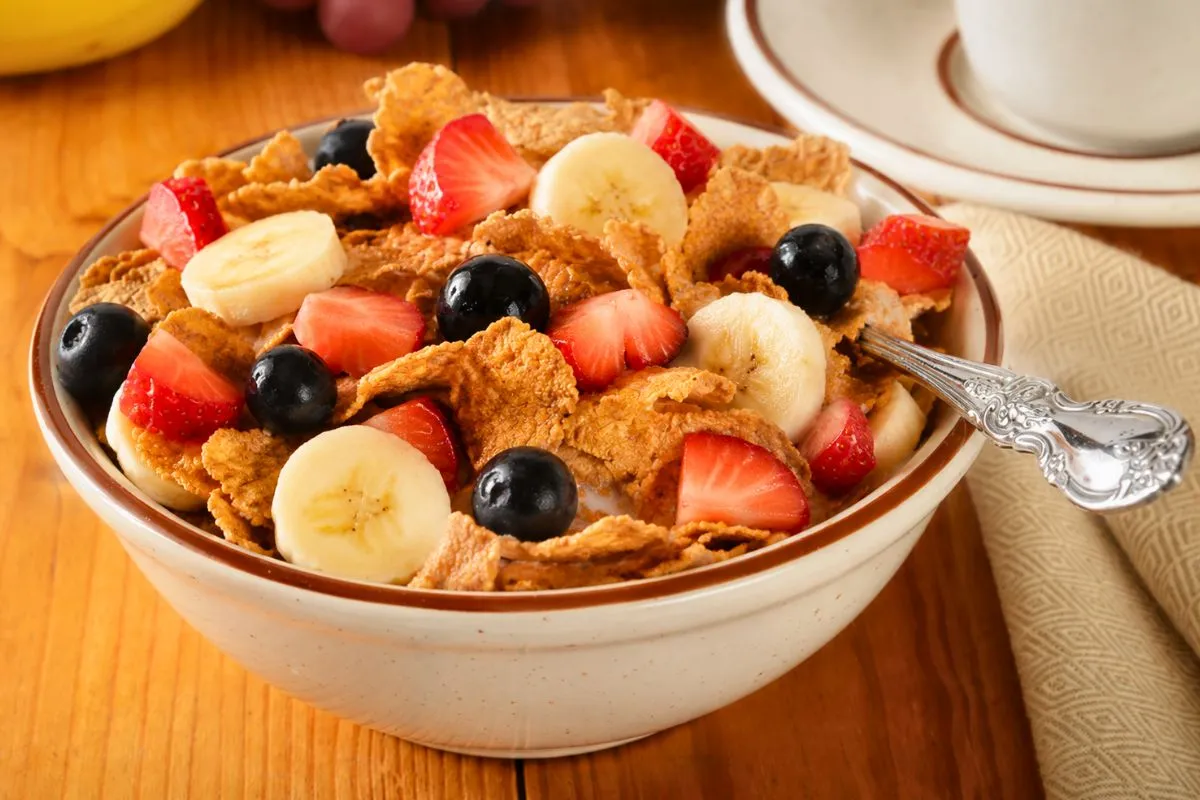
Bran flakes have been sitting on UK breakfast tables for a long time now, and there’s a genuine reason they’ve never really gone away. In short, yes bran flakes are high in fibre, low in fat, and fortified with vitamins and minerals that quite a few people in the UK simply aren’t getting enough of through the rest of their diet. The only things worth flagging are the added sugar and the gluten, which rules them out for certain people. Here’s what you actually need to know.
What Are Bran Flakes Made From?
At their core, bran flakes are made from wholegrain wheat and wheat bran – that’s the tough outer layer of the wheat grain that most processed foods ditch entirely. Kellogg’s is the dominant brand in the UK, though every major supermarket like Tesco, Sainsbury’s, Morrisons, Waitrose, and Aldi sells its own version that’s largely the same thing at a lower price.
The typical ingredients list runs something like this:
- Wholewheat (around 59%)
- Wheat bran (around 18%)
- Sugar and barley malt extract
- Salt and natural flavouring
- Added vitamins and minerals: niacin, iron, vitamin B6, riboflavin, thiamin, folic acid, vitamin D, vitamin B12
ALSO READ: Why Turkish Eggs Are Taking Over the British Brunch Scene
Bran Flakes Nutrition: What’s In A 30g Serving?
A standard 30g serving of Kellogg’s Bran Flakes contains 107 kcal, 0.7g fat, 20g carbohydrates, 4.2g sugars, 5.1g fibre, 3.3g protein, and 0.2g salt.
| Nutrient | Per 100g | Per 30g Serving |
|---|---|---|
| Calories | 358 kcal | 107 kcal |
| Fat | 2.2g | 0.7g |
| Carbohydrates | 65g | 20g |
| Sugars | 14g | 4.2g |
| Fibre | 17g | 5.1g |
| Protein | 11g | 3.3g |
| Salt | 0.66g | 0.2g |
Source: Kellogg’s UK nutritional data
One serving also delivers 2.5μg of vitamin D, which covers 50% of the daily nutrient reference value. That actually matters quite a bit in the UK, vitamin D deficiency is really common here, particularly through autumn and winter when there’s barely any sunlight to speak of. Getting half your daily amount just from breakfast is something most people don’t realise they’re getting.
One thing worth being aware of though 30g is a pretty small bowl when you actually weigh it out. Most people pour somewhere between 50–60g without giving it a second thought, which means the calories and sugar are quietly doubling before you’ve even added the milk.
Are Bran Flakes Good For You?
For most people, yes and here’s why that’s actually a defensible claim rather than just cereal box marketing.
A. High In Fibre For Digestive Health
Fibre is the biggest nutritional strength of bran flakes. Nine in ten UK adults don’t meet the recommended 30g daily fibre intake, and a bowl of bran flakes makes a meaningful dent in that target. Wheat bran fibre adds bulk to stools and accelerates movement through the colon, which can help relieve or prevent constipation. Studies show wheat bran can also reduce symptoms like bloating and discomfort, and is more effective at increasing stool bulk than some other fibre sources including oats and certain fruits. Bloating and gut discomfort tend to ease up too with regular intake.
B. Fortified With Vitamins And Minerals
The vitamin and mineral list thiamin, riboflavin, niacin, folic acid, B12, vitamin D, iron isn’t just there to look impressive. These are nutrients a significant chunk of UK adults are low on, and they cover real functions: energy metabolism, immune support, red blood cell production. Getting a head start on them before 9am is a reasonable thing.
C. Supports Heart Health
Wheat bran has been shown to lower LDL cholesterol by reducing fat absorption in the gut, which over time can cut the risk of things like atherosclerosis, stroke, and heart attack. The low saturated fat content only adds to that picture. It’s not a magic fix, but as a daily habit it leans in the right direction.
D. Helps Manage Blood Sugar
The fibre in bran flakes slows the absorption of carbohydrates, producing a more gradual rise in blood sugar. This can help minimise spikes and crashes, keeping you feeling fuller for longer. If you’re someone who eats breakfast and then finds themselves hungry again an hour later, or reaching for something from the vending machine before lunch even arrives, that slower release makes a real difference to how you feel through the morning.
ALSO READ: Ultimate Healthiest Food Picks You Should Add to Your Plate Every Day
Are Bran Flakes High In Sugar?
This part deserves a straight answer. At 14g of sugar per 100g, bran flakes sit above the NHS recommendation of under 5g per 100g for cereals. So no, they don’t pass that particular test. That said, 4.2g per 30g serving is modest compared to most sweetened cereals competing for the same shelf space. Keeping to the recommended portion and going easy on the honey or jam on top keeps things manageable.
Are Bran Flakes Gluten Free?
No, and there’s no grey area here. Standard bran flakes are made from wholewheat, wheat bran, whole wheat flour, and barley malt extract all of which contain gluten. For anyone with coeliac disease, they’re off the table entirely.
Gluten-Free Alternatives In The UK
| Brand | Key Ingredients | Where To Buy |
|---|---|---|
| Tesco Free From Bran Flakes | Rice, maize bran | Tesco |
| Freee Gluten Free Organic Fibre Flakes | Brown rice, maize flour | Health stores, online |
Freee’s Gluten Free Organic Fibre Flakes are certified by Coeliac UK, and are also vegan, kosher, and halal approved making them a trustworthy option for anyone managing serious gluten intolerance who wants proper certification rather than just a “free from” sticker on the box.
Bran flakes are a genuinely nutritious breakfast for most UK adults. The fibre content is solid, the fat is low, and you’re getting a useful hit of vitamins and minerals before the day has even started. Yes, the sugar sits slightly above what the NHS considers ideal, and anyone with coeliac disease or a gluten intolerance needs to look elsewhere. But for the majority of people eating a bowl with semi-skimmed or plant-based milk in the morning, bran flakes do exactly what you’d want a breakfast cereal to do and they’ve been doing it reliably for years.
ALSO READ: How to Cook Ricotta Cheese for Lasagna With Spinach Properly
FAQs
Q1. Are bran flakes good for you every day?
Yes, for most healthy adults. They keep your fibre intake on track just watch your portion size or the sugar and calories will creep up without you realising.
Q2. Are bran flakes suitable for vegans?
Yes. No animal products in them, and they go well with oat, almond, or soya milk.
Q3. Are bran flakes good for constipation?
Yes, the wheat bran fibre adds bulk and helps things move through your gut more regularly. If constipation is something you deal with often, a bowl most mornings is a simple place to start.
Q4. Are bran flakes gluten free?
No, wheat and barley are both in there. Anyone with coeliac disease needs to look at certified alternatives like Tesco Free From or Freee Organic Fibre Flakes.
Q5. Are bran flakes good for cholesterol?
They can help. Wheat bran does reduce LDL cholesterol, though if that’s a specific concern, oat-based cereals with beta-glucan have stronger evidence behind them for that.
Sources & References
- NHS England. (2026). Fibre in your diet. NHS England.
- Kellogg’s UK. (2026). Bran Flakes nutritional label data. Kellogg’s UK.
- Coeliac UK. (2026). Foods to avoid on a gluten‑free diet. Coeliac UK.
- Freee Foods. (2026). Gluten Free Organic Fibre Flakes. Freee Foods.
- Healthline. (2026). Wheat bran: Nutrition, benefits and more. Healthline.
- British Nutrition Foundation. (2026). Dietary fibre
Disclaimer: This article is intended solely for informational and educational purposes. It does not constitute medical, nutritional, or professional advice, nor is it intended to promote any specific product or brand. Readers should consult qualified healthcare or nutrition professionals before making dietary changes or relying on the information provided. The publisher and author are not responsible for any actions taken based on this content.