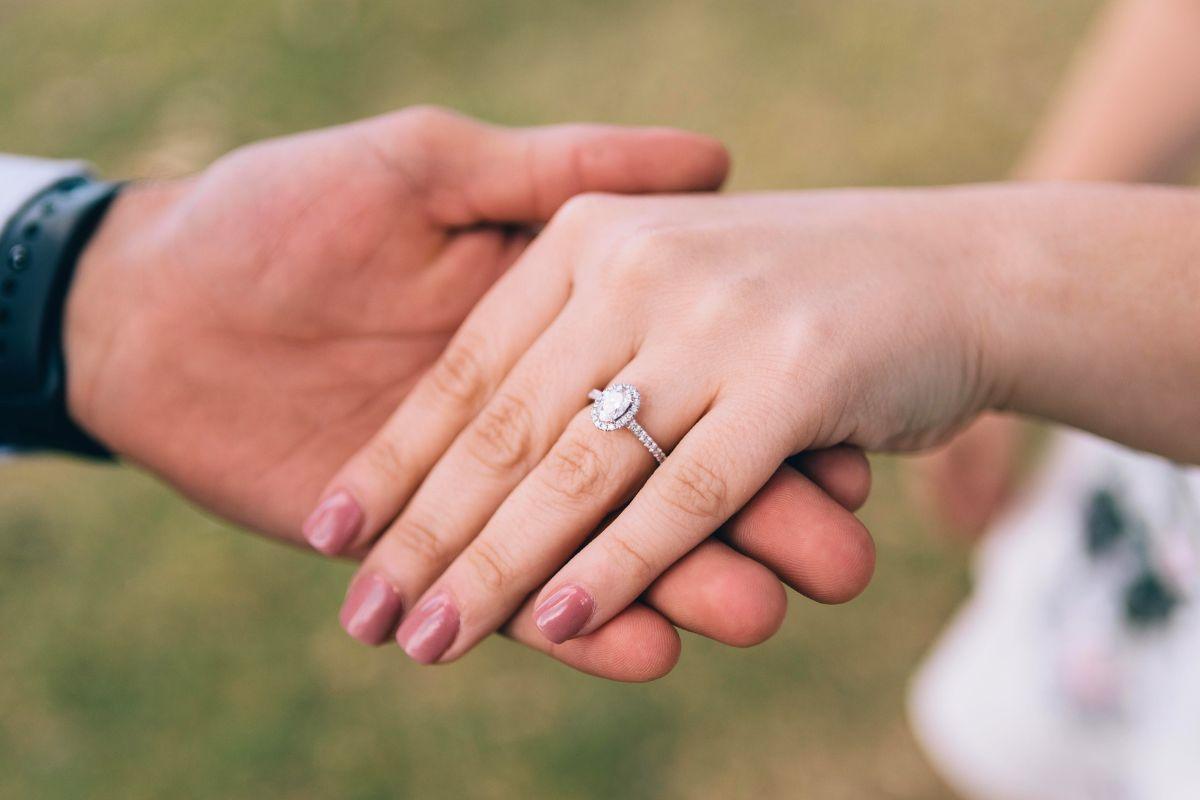
You enter the diamond report number, the laboratory’s website finds a record, and the details look reassuring. Job done? Almost. You have checked the information held by the laboratory. You have not yet established that the diamond being offered is the one it examined.
- Online report lookups only verify the document exists and do not guarantee it matches the physical diamond being offered.
- Request that the seller record the exact laboratory report number and stone details on your written order.
- Cross-check all report details such as shape, measurements, and carat weight against the actual stone.
- While laser inscriptions help connect a diamond to its document, they require professional verification due to rare counterfeits.
- Store the laboratory report and purchase paperwork securely together and review them upon delivery.
That distinction matters when buying an engagement ring, particularly if you are choosing the centre stone online. A laboratory report is useful evidence, but it works best when the document, the order and the physical diamond can be connected. You do not need to become a gemmologist to ask how that connection is made.
Start With The Selected Diamond
A ring design and an individual diamond are different things. You might choose the setting first, then select a centre stone from several possibilities. Some settings, such as an east-west engagement ring that lays an oval or emerald-cut stone sideways across the band, suit particular diamond shapes, so the stone you select may depend on the design. Until that selection is agreed, a report shown alongside the design could be an example rather than the document for the diamond you will receive.
A collection can help narrow that design choice. Lily Arkwright’s range of natural diamond ring styles, for example, includes round and oval solitaires. The setting’s name alone does not establish which diamond will be supplied. Once you have selected a particular centre stone, ask for its grading report.
Ask the seller to record the issuing laboratory and report number on the written order. If the stone is changed during the discussions, the paperwork should change with it. A report you checked for Monday’s shortlist cannot answer questions about a different diamond selected on Friday.
ALSO READ: The New NCSC Threats Every UK Business Should Know About
Check The Record At Its Source
Open the issuing laboratory’s official website and use its report lookup. The Gemological Institute of America’s GIA Report Check lets you compare the information on a report with GIA’s archived record. The International Gemological Institute also explains online verification in its guide to reading an IGI report.
Read the result rather than stopping when a number is recognised. Reports do not all contain the same fields, so check what the specific service includes. Compare these details wherever they appear:
- The material description, including natural or laboratory-grown origin.
- The shape and cutting style, such as round brilliant.
- The carat weight and millimetre measurements.
- The recorded quality information, comments and any inscription details.
For example, if the seller describes a round diamond but the record describes an oval, the number alone has not resolved the discrepancy. A mistyped reference or an outdated attachment may explain it. Ask for the correct document and check again before approving that stone. UK consumer law generally expects goods to match the description the seller gave, a principle that began with the Sale of Goods Act and now sits within the Consumer Rights Act 2015.
Check whether the document grades an individual loose diamond or assesses a finished piece of jewellery. GIA’s Diamond Grading Report concerns loose stones because a setting can obscure or influence assessment of colour, clarity and exact weight. Its jewellery reports cover eligible natural-diamond pieces, using estimated weights and grade ranges to the extent the mounting permits.
Identifying a diamond as natural does not establish where it was mined. If geographical provenance matters to you, ask what separate documentation is available.
Know Who Can Check What
- Your online check: Confirm that the document matches the laboratory’s official record. This does not show which stone the seller has.
- The seller’s identification: Have the chosen diamond and report number specified on the order. That records what the seller is supplying; it is not an independent examination.
- Physical examination: A qualified professional can compare the actual stone with its report. The extent depends on expertise, equipment and access to the diamond. Ask: “Which characteristics can you compare here, and what would need laboratory testing?” Reading an inscription under magnification is different from a laboratory investigation.
What A Laser Inscription Can Tell You
Some diamonds carry a microscopic inscription on the girdle, the narrow edge around the stone. A report number inscribed there can help connect the diamond with its document. Ask whether an inscription is recorded and how the jeweller checks it under magnification.
It is a useful feature, but a matching string of digits is not conclusive on its own. In a Summer 2025 laboratory note, GIA described four diamonds carrying counterfeit report-number inscriptions. Two were laboratory-grown diamonds and two were treated natural diamonds; none matched the untreated natural diamond described by its accompanying report.
That small group of laboratory submissions does not tell us how common the problem is among retail purchases. It does show why professional checking involves more than reading a number. GIA identified differences in characteristics and used specialist testing to investigate the stones.
If The Details Do Not Agree, Pause
Do not try to settle a discrepancy by comparing two enlarged photographs or guessing whether a small measurement difference matters. Ask the seller to explain it in writing and supply the relevant record.
If the explanation remains unclear, ask an independent qualified gemmologist or the issuing laboratory about an appropriate examination. What is possible depends on the service, the stone’s condition and whether it is mounted. Some checks can be made in a setting; others need the stone removed. Confirm who would arrange any removal and resetting, and agree the examination and workshop costs before authorising work.
The same principle applies if the seller cannot yet supply the chosen diamond’s report. Establish when the specific stone and its paperwork will be available for review, and what you would be committing to before that point. An unresolved question deserves an answer before it becomes part of a purchase.
Keep The Paperwork Connected To The Ring
Save the laboratory record with the final order and receipt. Keep the centre stone’s report number distinguishable from the retailer’s order number, and retain any written confirmation if the selected diamond changes.
At collection or delivery, check that the documents supplied relate to the selection you agreed. If the ring later needs repair or stone replacement, take those records along and ask for any replacement stone’s details to be documented separately.
A report lookup is a sensible first check. The more useful final question is whether the seller can connect that record to the diamond you are actually buying. Once that is clear, the paperwork can do its job while you get back to choosing a ring you enjoy looking at.
ALSO READ: The Role of Asset Valuation in Business Financial Planning
FAQs
Q1. How Do You Verify A Diamond Laboratory Report Online?
You can check the details on the laboratory’s official lookup tool, such as the GIA Report Check or IGI online verification service, using the report number.
Q2. Can A Laser Inscription Guarantee That A Diamond Is Genuine?
No, because counterfeit laser inscriptions exist, so a microscopic number alone does not provide absolute proof of a diamond’s true characteristics.
Q3. Why Is A Diamond Grading Report Usually Issued For A Loose Stone?
A loose stone allows for accurate measurement of colour, clarity, and weight, whereas a setting can obscure these key details during testing.
Q4. How Can You Ensure The Chosen Diamond Matches The Issued Diamond Report?
Ensure the seller writes the specific report number on your order forms and have a qualified professional inspect the physical characteristics under magnification.
Q5. What Should You Do If The Details On The Report Do Not Match The Diamond?
Pause the purchase immediately, request a written explanation from the jeweller, and consider getting an independent examination from a qualified gemmologist.
Sources & References
- International Gemological Institute (IGI). How to Read an IGI Diamond Grading Report Like a Pro.
- Gemological Institute of America (GIA). GIA Report Check.
Disclaimer: This article is published for informational purposes only and is not intended as a promotion or endorsement of any specific commercial product, brand, or service. Readers are strongly advised to independently verify all facts, laboratory certificates, and details, as well as seek professional advice from qualified experts before making any high-value purchases.