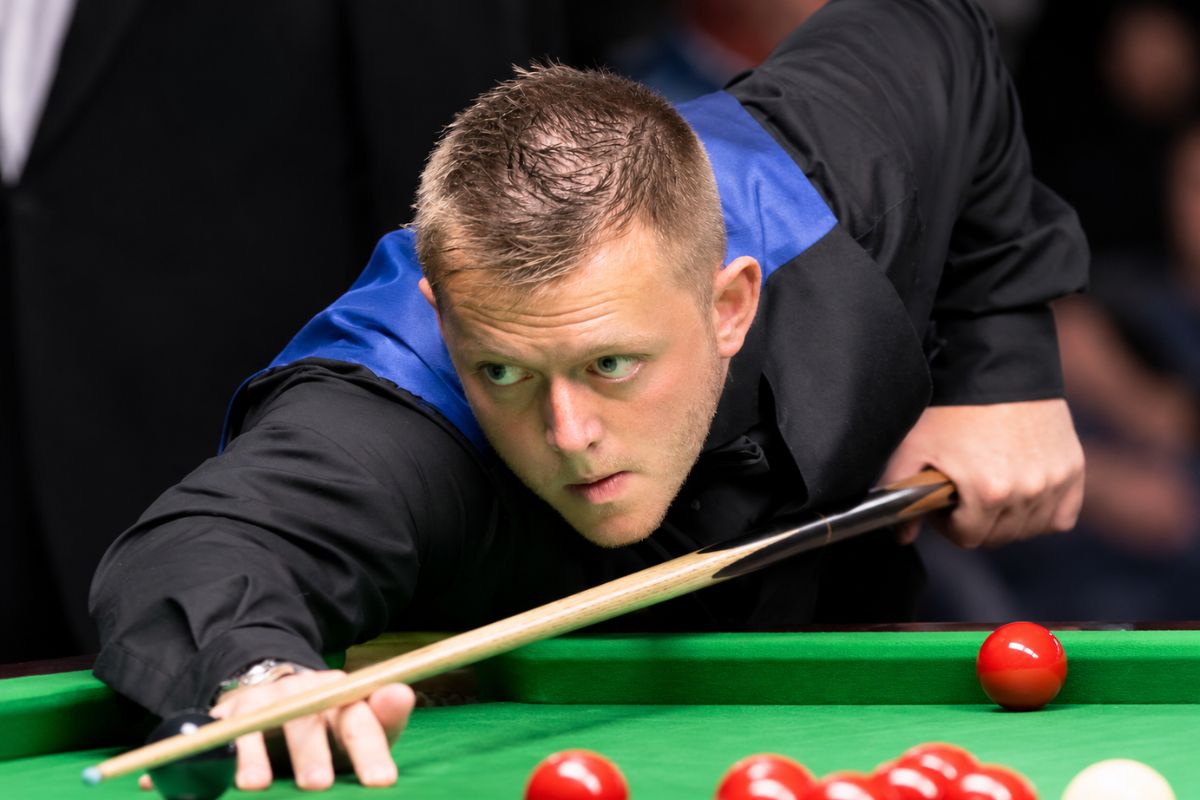
Mark Allen, the former world number one, has revealed he spent 10 weeks in a mental health clinic before returning to snooker at the Northern Ireland Open in Belfast. He was discharged to play and lost 4-2 to Jordan Brown on 20 October 2026.
- Allen spent 10 weeks in a mental health clinic before playing in Belfast.
- He lost 4-2 to close friend Jordan Brown in the last 64 of the Northern Ireland Open.
- It was his first match since the 2026 World Championship semi-final defeat to Wu Yize in April.
- He said he was “not OK”, had been far worse in recent months and has hinted his career could be over.
- He plans to continue treatment and then decide what comes next.
What Mark Allen Actually Said
The news came in two stages. On Tuesday night, Allen spoke to TNT Sports after the defeat to Brown. He said he felt “really overwhelmed” and suggested his career might be finished.
The next day he posted a longer statement on X. In it he said he had been in a clinic for ten weeks, “finally discharging so I could attempt to play in Belfast”.
He also confirmed that everything he said in the interview was true. He admitted he had been much worse in recent months than he looked on camera, and that he “literally didn’t see a future in anything”.
There was a lighter note too. “I’m not going anywhere just yet,” he wrote. He described himself as a work in progress and said he would carry on with treatment.
ALSO READ: Andy Murray After Tennis: Coaching, Property, and Kim’s Art
Why The Belfast Match Mattered
The Northern Ireland Open is a home event for Allen, who comes from Antrim. The match took place at the Waterfront Hall, in front of a home crowd, and he was up against Brown, a good friend.
Brown later described it as the hardest match he had ever dealt with. That says plenty. Playing a close friend is awkward at the best of times. Doing it when you know what he has just been through is something else.
Allen said he wanted his daughter to see him play, perhaps for the last time. He credited her, his therapists, the clinic staff and other patients with helping him through the darkest days.
How It Follows On From The Crucible
Allen’s last match before Belfast was the 2026 World Championship semi-final. He lost to Wu Yize, and the Irish Times reports he missed a black that would have won him the match. Moments like that can stay with athletes long after the final session, and how elite performers handle public scrutiny has been a talking point elsewhere too, as seen in Keely Hodgkinson’s reply to criticism over her black speed suit.
Reports say his time away from the tour was for personal reasons. They are understood not to be linked to how that defeat unfolded. So it is best not to draw a straight line between the two.
He also thanked World Snooker. He said chief executive Simon Brownell visited him in the clinic, and he named Neil Tomkins of the WPBSA Players’ body for their support.
Who Is Mark Allen?
Allen is one of the best-known players of his generation. Known as “The Pistol”, he turned professional in 2005. He has been a fixture on the tour for more than 20 years. Snooker has long been part of the wider British sporting conversation, considered among the most popular sports in the United Kingdom.
| Career fact | Detail |
| Born | 22 February 1986, Antrim, Northern Ireland |
| Turned professional | 2005 |
| Ranking titles | 12 |
| Triple Crown wins | 2018 Masters and 2022 UK Championship |
| World number one | Spent a few months in the top spot in 2024 |
Source: Wikipedia
A Bigger Conversation In Sport
Allen has spoken about low moods before. Over the years he has talked openly about struggling with form and confidence, and about working with a mind coach. This disclosure is far more serious, though. Low mood often shows up in everyday habits too, and disrupted sleep is one of the first things many people notice.
Snooker is a solitary game. Players spend long hours alone in the chair, with nobody to share the pressure. Add constant travel and the mental weight of a single missed ball, and the strain builds. Few sports demand as much from the mind, which is why snooker sometimes enters the long-running argument over the hardest sport in the world.
That is why a player of Allen’s standing speaking so plainly matters. It tells younger players that asking for help is not weakness. It also puts the spotlight on how tour bodies look after their players.
What Happens Next?
Nobody knows yet, and Allen says he does not either. He plans to continue his treatment first and then decide what comes next.
His recovery clearly comes before any results. Whether he is back at a table in weeks or months, the sport’s focus should be on his wellbeing rather than his ranking.
If this story has struck a chord with you, you are not alone. In the UK, you can call Samaritans free on 116 123, at any time.
ALSO READ: Christian Eriksen Stable After On-Field Collapse in Denmark–Ukraine Friendly
FAQs
Q1. How Long Was Mark Allen In A Mental Health Clinic?
Allen said he spent 10 weeks in a clinic. He discharged himself so he could attempt to play at the Northern Ireland Open in Belfast.
Q2. Has Mark Allen Retired From Snooker?
No. He hinted after his match that his career could be over, but later wrote, “I’m not going anywhere just yet.” He will continue treatment and decide afterwards.
Q3. Who Did Mark Allen Lose To In Belfast?
He lost 4-2 to fellow Northern Irishman and close friend Jordan Brown in the last 64 on 20 October 2026.
Q4. When Did Mark Allen Last Play Before Belfast?
His previous match was the 2026 World Championship semi-final in April, which he lost to Wu Yize.
Q5. Was Mark Allen Ever World Number One?
Yes. He reached the top of the world rankings for a few months in 2024.
Sources & References
- Irish Times. Mark Allen reveals he made snooker return after 10-week stay in mental health clinic.
- SnookerHQ. Mark Allen reveals 10-week stay in mental health clinic.
- The Star (Malaysia). Snooker-Allen reveals mental health clinic stay before return, considers retirement.
Disclaimer: This article is provided for informational and educational purposes only and is not intended for promotion or medical endorsement. The information contained herein should not be used as a substitute for professional mental health or medical advice. Readers are strongly encouraged to independently verify all facts and seek guidance from qualified healthcare professionals regarding any health or personal concerns.