

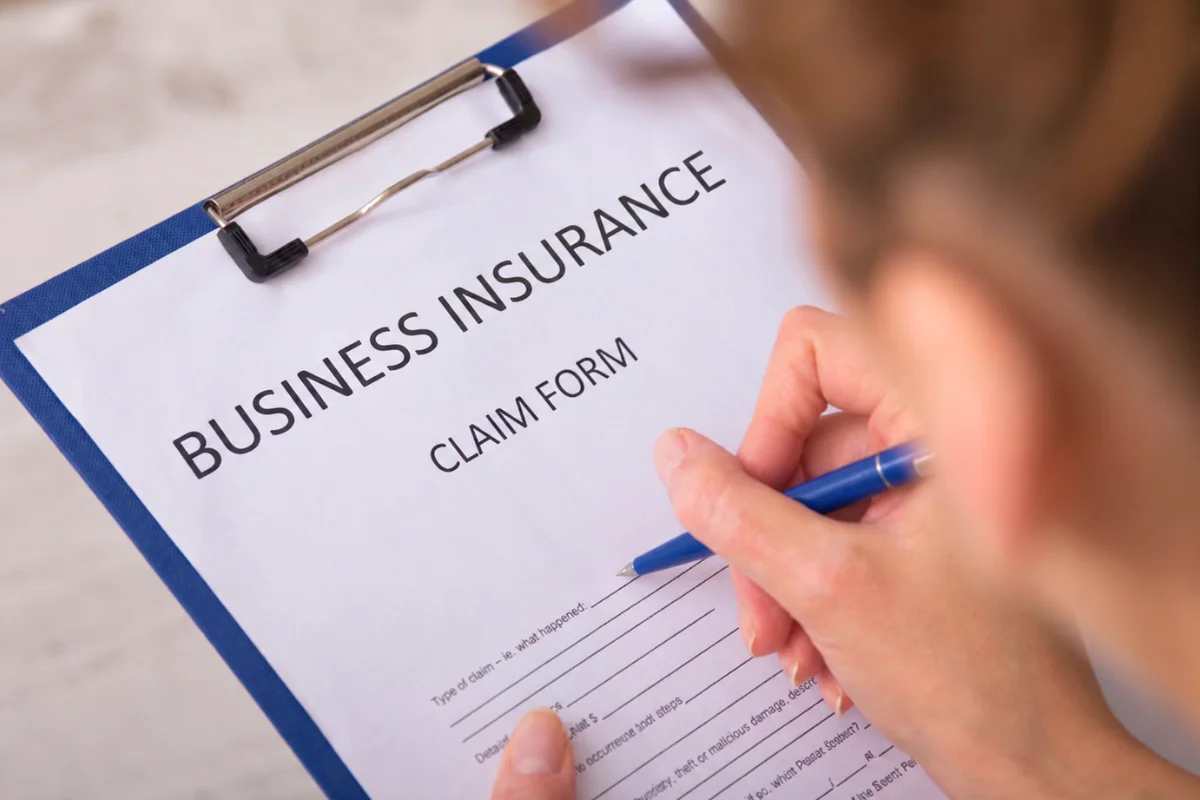
It is necessary for most of the UK businesses to obtain public liability insurance coverage, while employers’ liability insurance is mandatory if there are any employees. There might be other types of insurance that a company requires based on its nature and type of business, such as professional liability, commercial property, business interruption, or commercial vehicle insurance.
Many small business owners put off buying business insurance because it feels like an extra expense they can’t justify. At the same time, many firms overlook other major operational expenses, including unused office space, which can quietly cost thousands of pounds each year.
Then something happens: a customer trips in the shop, a burst pipe ruins the stock room, a member of staff gets hurt lifting boxes, and suddenly that “extra cost” looks a lot cheaper than the claim or repair bill sitting in front of them. This isn’t just something big companies with office blocks and hundreds of staff need to think about.
A sole trader working out of a spare room can still get hit with a claim that wipes out years of savings. So before you sign a lease, take on your first employee, or even open your doors, it’s worth working out exactly what business insurance cover your business actually needs, and why skipping business insurance usually costs more in the long run than buying it ever would.
- Business risk shows up daily in ways you can’t fully predict: accidents, damage, claims, and insurance is what absorbs those costs.
- Public liability and employers’ liability cover most of what a typical UK business runs into, with the latter being a legal requirement in most cases.
- What extra cover makes sense for you depends heavily on your industry and how your business actually operates day to day.
- Prices vary a fair bit between insurers, so it pays to compare quotes instead of taking the first one you’re offered.
- Your cover needs to shift as your business grows, so it’s worth reviewing your policy every year instead of just renewing on autopilot.
Why Business Insurance Matters
Owning a business means taking on risk constantly, whether you notice it or not. A customer could slip on a wet floor. A kitchen fire could shut your café down for weeks. A member of staff could throw their back out on the job. None of this is rare; it happens to businesses every single day across the country.
Without cover, you’re paying for all of it yourself, and for a lot of small businesses, that kind of hit is enough to close the doors for good. Insurance isn’t just a box to tick. It’s what keeps your business standing after something goes wrong.
ALSO READ: What Is Trade Insurance? An Essential Survival Guide to Business Protection
The Main Types Of Business Insurance
Since there are several types of cover floating around, here’s a table laying out what each one actually does and who typically needs it.
| Insurance Type | What It Covers | Who Needs It |
|---|---|---|
| Public Liability | Customer injuries, property damage your business causes | Nearly every business, especially those dealing with the public |
| Employers’ Liability | Staff injuries or illness caused by their work | Legally required for almost any business with employees |
| Professional Indemnity | Claims that your advice or service caused financial loss | Consultants, accountants, designers, advisors |
| Commercial Property (Buildings & Contents) | Fire, theft, or storm damage to your premises, equipment, or stock | Anyone with a physical space or valuable gear |
| Business Interruption | Lost income if you can’t trade due to an insured event | Businesses that would struggle to survive a shutdown |
| Commercial Vehicle Insurance | Accidents involving vehicles used for business | Businesses that own vehicles or send staff out on the road |
| Cyber Liability | Costs from hacks, data breaches, or lost customer data | Anyone storing payments or personal information online |
Source: Commercial insurance frameworks compiled from the Association of British Insurers (ABI) and GOV.UK business guidelines.
Public Liability Insurance
This is the one most businesses buy first, and for good reason. It covers things like a customer getting hurt on your premises or your business accidentally damaging someone else’s property. Since wet or poorly maintained entrances are a leading cause of workplace slip claims, choosing the right entrance matting is a simple way to reduce this liability risk before it becomes a claim. Businesses that sell physical products should also understand their legal responsibilities when supplying goods.
Policies are typically offered in standard cover levels of £2 million, £5 million, or £10 million. Local councils and corporate clients almost always require proof of at least £5 million or £10 million in cover before awarding contracts.
Employers’ Liability Insurance
The moment you take on even one employee, the law requires this in almost all cases. Under Health and Safety Executive (HSE) regulations, UK law mandates a statutory minimum cover of £5 million (though most standard UK policies provide £10 million). Operating without it carries severe penalties of up to £2,500 for every single day you remain uninsured, plus an additional £1,000 fine if you fail to display your insurance certificate or produce it for an inspector. As businesses grow their workforce, understanding wider employer responsibilities such as workplace pensions also becomes important. Not every founder wants to take that step immediately — some founders who want to grow without adding headcount choose to outsource core functions instead, which also limits employers’ liability exposure.
Professional Indemnity Insurance
If your business is built around giving advice or delivering a service, think consulting, accounting, design work, this one matters. It protects you if a client says your work cost them money, even when you’re fairly sure the mistake wasn’t really yours.
Commercial Property Insurance
If you own or lease a space, this protects your building, equipment, furniture, and stock against fire, theft, and storm damage. If you’re setting up a limited company that owns commercial property, choosing the correct SIC code is equally important. Working from home doesn’t get you off the hook either, you may still want cover for the laptop, tools, or gear you use for work.
Business Interruption Insurance
If a fire, flood, or other insured event stops you trading for weeks, this replaces the income you’d have earned and helps cover ongoing costs like rent and wages while you get back on your feet. Many business owners also review their savings and cash management strategies during unexpected interruptions.
Commercial Vehicle Insurance
Own a vehicle for the business, or have staff running errands in their own cars? This covers accidents and damage tied to those trips. Worth noting: a personal car insurance policy almost never covers business use, so don’t assume you’re already protected. If your company transports stock or goods nationally or internationally, freight insurance may also be worth considering.
Cyber Liability Insurance
With so much business happening online now, this covers the fallout from data breaches, hacking, or lost customer information. According to the UK Government’s DSIT Cyber Security Breaches Survey, 43% of UK businesses suffered a cyber attack or breach over the past 12 months, with phishing attacks accounting for 38% of incidents. Even a small shop that just takes card payments or keeps a customer email list can end up a target.
What Insurance Does A UK Business Actually Need?
Almost every owner asks this at some point, and the honest answer is: it depends on what you actually do. That said, most businesses lean on the same core group of policies. If you deal with the public face-to-face, public liability is close to non-negotiable. Got staff? Employers’ liability is usually a legal must. From there, you build outward: professional indemnity, commercial vehicle cover, cyber insurance based on how your specific business runs.
Who Doesn’t Need Every Type Of Insurance?
Not every business needs every type of insurance. For example, a freelance graphic designer working from home is unlikely to need commercial property insurance, while a retail shop with employees may require public liability, employers’ liability, commercial property, and business interruption cover. Choosing policies based on your actual risks helps avoid paying for unnecessary cover.
How To Decide What You Need
Start with a few honest questions. Do you interact with customers in person? Do you have employees? Are you storing customer data anywhere? Do you own a vehicle or a building for work? Your answers will point you toward what actually matters for your situation, a sole trader working from home needs a very different setup than a restaurant running a staff of ten.
Here’s a rough guide to match business type with likely cover:
| Business Type | Likely Cover Needed |
|---|---|
| Home-based freelancer | Public liability, professional indemnity, equipment cover |
| Retail shop | Public liability, commercial property, employers’ liability |
| Café or restaurant | Public liability, property, employers’ liability, business interruption |
| Consulting or advisory business | Professional indemnity, cyber liability |
| Construction or trades | Public liability, employers’ liability, commercial vehicle cover |
| E-commerce business | Cyber liability, public liability, product liability |
Source: Association of British Insurers (ABI) & GOV.UK Business Insurance Guidelines.
What Affects The Cost
Pricing comes down to a handful of factors: your industry, how many people you employ, where you’re located, your claims history, and how much cover you’re actually buying. A consultant working from a laptop is going to pay a lot less than a building contractor running heavy machinery. Getting quotes from a few different insurers before committing is really the only way to know you’re not overpaying.
The following table outlines realistic benchmark costs for a UK small business, combining typical monthly starting rates with annual industry averages and standard cover levels:
| Insurance Type | Typical Monthly Cost | UK Annual Average | Standard Cover Level |
|---|---|---|---|
| Public Liability | £10 – £25 | £118 – £220 / year | £2,000,000 – £5,000,000 |
| Employers’ Liability | £15 – £40 | £60 – £200 / year | £5,000,000 (Statutory min) |
| Professional Indemnity | £15 – £50 | £150 – £300 / year | £100,000 – £1,000,000 |
| Commercial Property | £20 – £60 | £200 – £500+ / year | Rebuilding cost / Stock value |
| Business Interruption | £15 – £45 | £180 – £350 / year | Gross profit / Indemnity period |
| Commercial Vehicle | £30 – £80+ | £360 – £950+ / year | Comprehensive / Third party |
| Cyber Liability | £15 – £40 | £180 – £350 / year | £100,000 – £500,000 |
Source: Compiled from Association of British Insurers (ABI) guidelines and UK commercial insurance market average benchmarks.
Note: These estimates can be considered approximate starting points rather than absolute values. Riskier deals, large numbers of people involved, and extensive facilities normally result in higher prices, while low-risk transactions conducted from home tend to cost less.
Factors Affecting Premiums
- Industry
- Turnover
- Employees
- Claims history
- Business location
- Cover limits
- Excess
How To Get Started
The simplest route is talking to a broker or insurance provider, or running your details through an online comparison site if you’d rather do it yourself first. Be upfront about what your business actually does; fudging details there only comes back to bite you later, either on price or when you try to claim. And don’t just set it and forget it. Revisit your policy once a year, since your business today probably doesn’t look exactly like it did twelve months ago.
ALSO READ: What Taxes Do Business Owners Pay In The UK? What They’ll Actually Pay
Conclusion
Business insurance is one of those things that’s easy to put off until right after you need it, which is exactly the wrong time to think about it. Whether you’re running a home-based side hustle or a growing company with a full team, the right cover is what keeps a bad day from turning into a business-ending one. Take a bit of time to match your situation against the cover types above, get a few quotes, and check in on your policy annually. It’s a small habit that can save you from a very expensive problem later.
FAQs
Q1. Is Business Insurance Compulsory In The UK?
Business owners are legally required to have employers’ liability insurance if they employ anyone, with a statutory minimum cover of £5 million. Operating without it can trigger fines of up to £2,500 per day. Public liability is not compulsory, but is expected by many contracts and clients.
Q2. Could I Run A Small Business Without Any Insurance?
Theoretically, it is possible to go through life without any insurance apart from employers’ liability insurance if you employ people. Practically, it is gambling; one accident will cost you more than all the payments during many years combined.
Q3. How Expensive Is Business Insurance?
The prices depend on the type of your activity, but many small businesses pay affordable monthly payments for minimum public liability insurance. The only way to know your price is to get a quote.
Q4. Do I Need Business Insurance If I Work From Home?
Usually, yes. A regular home insurance does not cover any business equipment, nor does it cover visitors to the premises.
Q5. What Is The Difference Between Public Liability And Professional Indemnity?
Public liability is about physical damages or property destruction. Professional indemnity concerns financial losses that a client alleges to have occurred due to your advice.
Sources & References
- Your Company Formations. (2026). What business insurance do I need? Your Company Formations Blog.
- Form My Company. (2026). What business insurance do I need: Essential guide for UK business owners. Form My Company Blog.
- MoneyHelper. (2026). Business insurance when you’re self‑employed. MoneyHelper – Work & Self‑Employment.
- Companies House. (2019, April 30). What insurance does a small business need? UK Government – Companies House Blog.
Disclaimer: The information provided in this article is for general informational and educational purposes only and does not constitute professional legal, financial, or insurance advice. It is not intended to promote or endorse any specific insurance products or services. Readers should consult with a qualified insurance broker or professional advisor to obtain advice tailored to their specific business circumstances before making any purchasing decisions.











1 Comment
Ainsley
Hello! I could have sworn I’d been to this blog before, but after browsing through some of the posts, I realised it’s new to me. Anyways, I’m definitely happy I found it, and I’ll be bookmarking and checking back frequently!