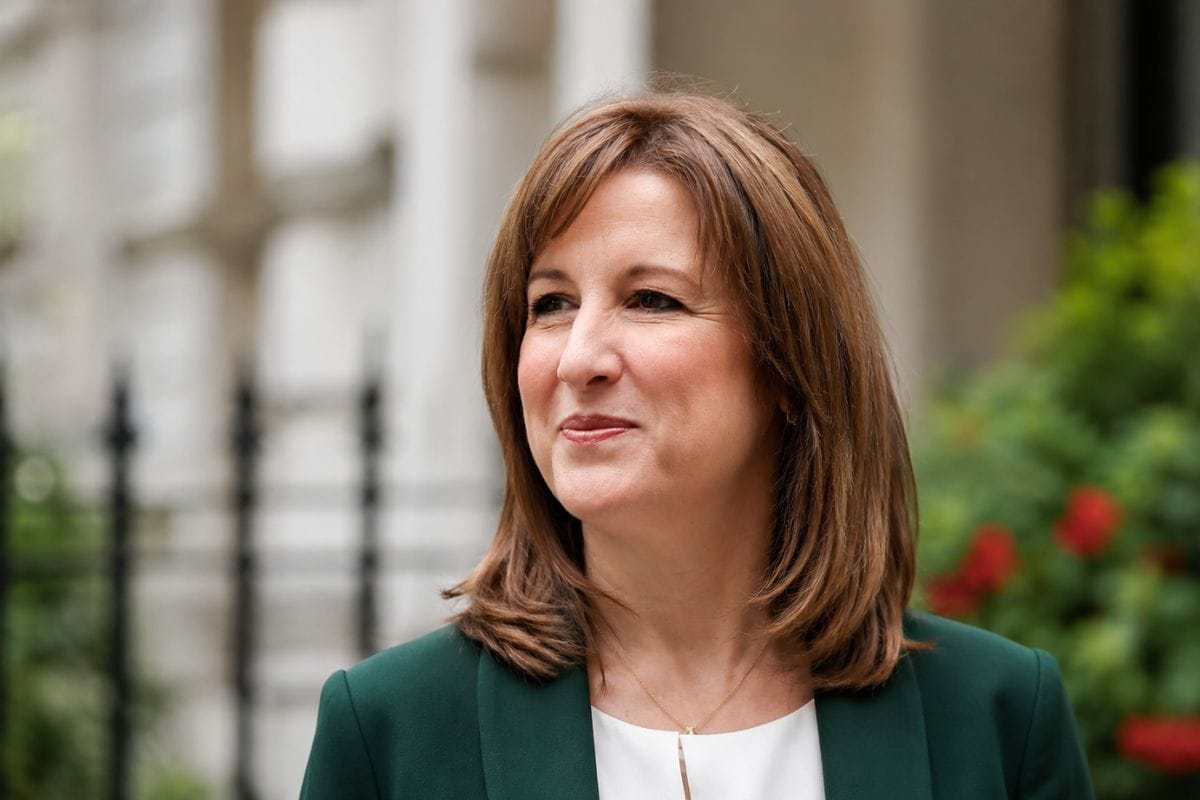
Right now, cash ISAs in the UK in total hold more than £360 billion. This is a huge amount of money in tax-free savings, but the government is keen for some of it that is in cash to be invested in stocks and shares instead. Chancellor Rachel Reeves has made public a comprehensive reform of the cash ISA system in the November 2025 Autumn Budget, and if you belong to the millions who use a cash ISA for saving, this is a change that impacts you.
Here in this blog, we thoroughly explain the Rachel Reeves Cash ISA reforms and what is changing versus what remains unchanged, and we give you some advice on what to do.
Rachel Reeves Cash ISA Reforms: The Numbers You Should Know
These are the main points before going into explanation:
- £20,000 – the current maximum amount an individual can put into a cash ISA annually
- £12,000 – the new maximum amount an individual can put into a cash ISA annually (from 6 April 2027) for under-65s
- Over-65s: will not be impacted – they will continue to have the full £20,000 cash allowance
- Total ISA limit: Remains at £20,000, but £8,000 must be invested in investment products
- Increase in savings tax rate: Also from April 2027, basic rate taxpayers will pay 22% on savings interest (up from 20%)
- Just 12% of Brits support a cash ISA cut, while 48% outright oppose it (AJ Bell research)
The £15,000 invested in July 2014 in a stocks and shares ISA tracker fund would be worth approximately £58,097 by November 2025.
Adding the same amount to a cash ISA would be about £16,800. The difference between the two is what this reform is all about. Inflation expectations also influence investment decisions, especially when savers are trying to understand how CPI affects GBP and the wider UK financial markets. For savers who are interested in investing but do not want to choose and manage investments themselves, a stocks and shares ISA with professional management can provide a more hands-off approach.
ALSO READ: What Is ISA Allowance? How To Open An ISA Account And When Does ISA Allowance Reset?
So What Is Actually Changing?
Here is how the Rachel Reeves Cash ISA reforms works, step by step:
Step 1 – The amount you can put in an ISA every year remains the same. You can still deposit up to £20,000 in your ISAs each tax year. That part doesn’t change.
Step 2 – The cash component gets a separate limit. From April 6, 2027, if you are younger than 65, the maximum amount you can put into a cash ISA will be limited to £12,000. The rest of your allowance, £8,000, will have to go into a stocks and shares ISA or similar investment option.
Step 3 – Senior citizens are exempt. In case you are 65 years old or over, you can still deposit up to £20,000 in cash – the new rules just don’t apply to you.
Step 4 – This only concerns new funds. The rules do not extend to any cash ISA amounts at present. New deposits are limited only by the cap.
Step 5 – New platforms for investment are forthcoming. The government has provided that the largest financial service providers, such as Hargreaves Lansdown, HSBC, Lloyds, Vanguard, and Barclays, will provide online platforms to encourage more savers to invest.
What You Can Do Right Now
- Make full use of your £20,000 cash ISA allowance before April 2027. You get two whole tax years to add money under the current rules.
- Think about having a stocks and shares ISA with your cash ISA. Even a small, low-risk index fund will give you some exposure to long-term growth.
- Don’t switch everything just because you panic. If you will be needing the money within five years – for a home deposit, a wedding, or an emergency fund – cash is still a wise, stable option.
- Review your savings tax situation. Since the savings tax rate is going up to 22% (basic rate) from April 2027, cash ISAs will continue to protect the interest from being taxed, which is why the £12,000 allowance is still very useful.
- Get financial help if you don’t know what to do. New rules mean that banks will soon be able to give more personalised advice to savers on where to put their money.
The Bottom Line
The Rachel Reeves Cash ISA reform is definitely happening, and most under-65 savers will get less cash ISA allowance from April 2027. The government wants to have more of the UK’s savings in the stock market – this way, the economy will grow, and theoretically, you will get more from your investments in the long run.
But those who are against this rightly say that financial confidence and education, not restrictions, are what really change people’s saving habits.
What’s more, you will need to think about your ISA plan before April 2027. If you mainly save money in cash, the time you are looking at stocks and shares ISA is now. Just small alterations can really improve your financial situation in the long run.
ALSO READ: Why Rachel Reeves’s Mansion Tax Could Backfire on the UK Economy
Frequently Asked Questions (FAQs)
Q1. When will the cash ISA limit change be effective?
It will be effective on 6 April 2027, which is the start of the 2027/28 tax year.
Q2. Will I be able to open a new cash ISA even after April 2027?
You will be able to open and contribute to a cash ISA even after April 2027. The catch is that you can’t put more than £12,000 into it per year (if you’re under 65).
Q3. What do I do with the remaining £8,000 allowance?
It has to be invested in a stocks and shares ISA or any other qualifying investment ISA. You cannot keep it unspent in a cash account tax-free.
Sources & References
- MoneySavingExpert. (2025, November 26). Autumn Budget 2025: Cash ISA limit cut to £12,000 for under‑65s.
- Bloomberg UK. (2025, November 24). Reeves to cut annual cash ISA limit to £12,000 in UK Budget.
- Morningstar UK Personal Finance. (2025, October 27). Rachel Reeves’ Autumn Budget: Will the cash ISA limit be reduced?
- AJ Bell Research Report. (2025). Public opinion on ISA reforms: Survey results.
- HM Treasury; GOV.UK. (2025, November). Autumn Budget 2025: Policy paper on ISA reforms.
Disclaimer: This article is intended solely for informational and educational purposes and should not be considered financial, investment, or legal advice. The information provided does not constitute promotion or endorsement of any financial product, institution, or investment strategy. Readers are advised to conduct their own research and consult a qualified financial advisor before making any financial decisions. While efforts have been made to ensure accuracy, no guarantees are made regarding the completeness or reliability of the information presented.