Print protection is an essential stage of print production, determining the durability and aesthetics of the final product. The choice between applying film and varnishing depends directly on the conditions in which the lamination product will be transported and stored. A poor technological decision results in rapid ink abrasion or the cardboard cracking under the influence of moisture.
- Film lamination provides superior water and tear resistance, whereas varnishing is a lower-cost liquid coating that keeps paper recyclable.
- Choosing between film and varnish depends on warehouse humidity, handling friction, and the expected shelf life of the product.
- The food industry relies on certified, odourless water-based dispersion varnishes to prevent harmful chemical migration.
- Cosmetics packaging uses soft-touch or metallised films to offer resistance against oils and prevent print abrasion.
- Film-laminated packaging requires mechanical separation for recycling, while varnished packaging is much easier to process.
What Is The Difference Between Film Lamination And Varnish Lamination?
These processes use entirely different materials and application technologies. Film lamination involves mechanically bonding a thin, uniform layer of plastic, which acts like a waterproof shield across the entire surface of the cardboard.
Varnishing, by contrast, is similar to coating the surface with a liquid preparation that, once cured, protects the print itself from fading and scratches while preserving the natural lightness and texture of the paper. The differences between them affect the final barrier properties of the board and its resistance to mechanical damage during distribution.
Advantages And Disadvantages Of Film And Varnish In The Context Of Product Protection
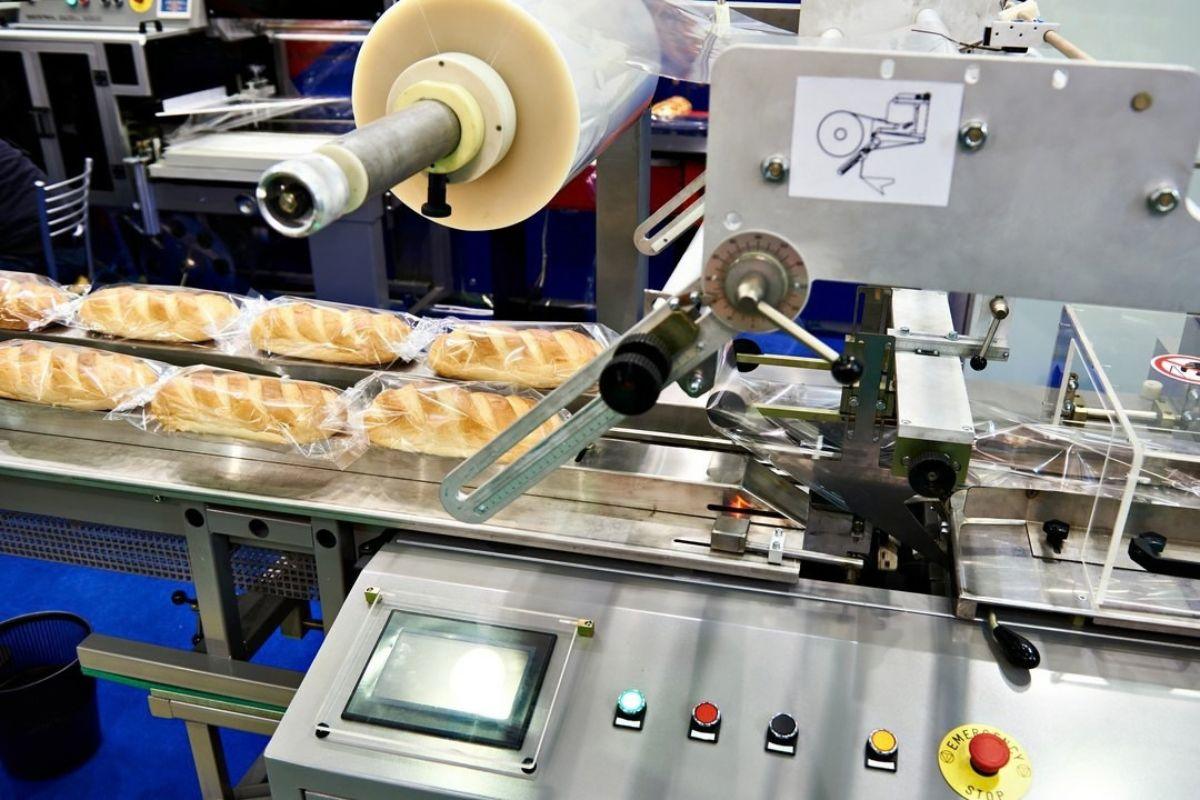
Film lamination consists of pressing a thin layer of plastic into the board using high temperature. This process guarantees almost complete resistance to water and tearing, which makes laminated packaging perform exceptionally well in demanding storage conditions.
Varnishing, in turn, involves applying a liquid substance cured with UV radiation or dried oxidatively. It is a faster and cheaper method that preserves the material’s recyclability; however, the varnish layer does not protect cellulose fibres from moisture as effectively as polypropylene film.
ALSO READ: Sale of Goods Act: What It Means and Why It Still Matters
What Requirements Do The Cosmetics, Food, And Pharmaceutical Industries Impose?
Each sector imposes its own restrictions regarding the chemical and physical safety of packaging. In the case of food and medicines, absolute material safety is the priority, which is why protective coatings must not react with the product or emit odours.
The cosmetics industry, in turn, combines the need for resistance to the oils contained in creams with impeccable aesthetics that must attract attention on the store shelf and withstand frequent handling. Understanding the specific standards helps avoid product recalls caused by reactions between the print and the contents.
Specific Features Of Laminated Packaging For Food, Cosmetics, And Medicines
Food products require the use of materials certified for direct or indirect contact with food. In this area, odourless water-based dispersion varnishes are most commonly used, as they do not penetrate the board structure, preventing the migration of harmful substances.
The cosmetics sector places emphasis on aesthetics and resistance to grease, which is why soft-touch films (velvety to the touch) or metallised films dominate. The Polish packaging manufacturer BoxPro uses special polypropylene films with enhanced abrasion resistance in boxes for creams and perfumes, protecting the corners from ink wear during transport to store shelves.
In the case of pharmaceuticals, sterility and anti-counterfeiting protection remain the priority—in such projects, blister varnishes are the standard, ensuring a tight thermal seal between the printed carton and the plastic blister tray.
How Do You Choose The Right Lamination For Your Product?
The final decision requires an analysis of the environment in which the product will spend most of its time after leaving the production line. Before ordering print, you should determine:
- the humidity level in the warehouse and on store shelves,
- the product turnover time and its expected shelf life,
- the need for additional finishing, such as embossing.
Film is best suited for products exposed to repeated opening and closing, such as premium creams. Varnish, on the other hand, is the optimal choice for fast-moving goods with a short shelf life. Properly matching the finishing technology directly reduces production costs and decreases the amount of waste generated.
Summary Of Lamination Selection Principles
- Protecting board with film guarantees the highest resistance to water and tearing.
- Varnishing is a more environmentally friendly and less expensive print-finishing method.
- The food industry requires the strict use of certified coatings, most often dispersion varnishes.
- The decision on the type of coating should be based on transport conditions and the expected lifespan of the goods.
FAQs
Q1. Can Laminated Boxes Be Recycled?
Yes, but the process depends on the material used. Plastic films must be mechanically separated from the board, which makes recycling more difficult, whereas packaging protected with dispersion varnish is processed much more easily.
Q2. When Is It Worth Choosing UV Varnish Instead Of Film?
UV varnish is the right choice when you want a high-gloss finish and a short print drying time, and the product itself will not be exposed to heavy friction or mechanical damage.
Q3. Which Lamination Provides The Best Protection Against Moisture?
The highest barrier against water and water vapour is provided by double-sided lamination of the board with flexible polypropylene (BOPP) or polyester (PET) film.
Q4. What Are The Characteristics Of Soft-Touch Film Used In Cosmetics?
Soft-touch film gives the surface a deeply matte finish and a distinctive velvety texture, creating the impression of a premium-segment product.
Q5. Is Dispersion Varnish Safe For Food?
Yes, water-based dispersion varnishes are widely used in the food sector because they are odourless and do not cause chemical migration into food.
Sources & References
- European Commission. (2026, February 23). Food contact materials. European Commission, Directorate-General for Health and Food Safety.
- European Parliament Research Service. (2026, February). Food contact materials in the EU: State of play. European Parliament.
- European Commission. (2026). Packaging and food safety. European Commission.
- U.S. Food and Drug Administration. (2026). Packaging & food contact substances (FCS). FDA.
- MDPI Molecules. (2026). Kontominas, M. G. Development of food packaging materials. Molecules, 31(19).
- Wikipedia contributors. (2026). Polypropylene. In Wikipedia.
- Brückner Maschinenbau. (2025, September 10). PureCycle and their BOPP film trials with Brückner.
- EU Agri-Food Platform. (2025, March 27). Food contact materials legislation. European Union.
- EUR-Lex. (2025). Materials and articles in contact with food: Good manufacturing practice (Commission Regulation (EC) No 2023/2006). European Union.
Disclaimer: The information provided in this article is intended solely for general educational and informational purposes and does not constitute professional commercial, technical, or manufacturing advice. This content is provided without any promotional intent and does not endorse any specific products, services, or packaging solutions mentioned. Readers are advised to independently verify all technical data and seek appropriate professional guidance before making commercial or business decisions.