
A small business can post for weeks without being sure whether any of it is helping. But without the help of social media marketing, a reel rarely gets attention. A product photo brings a message two days later. A customer walks in after remembering something seen online. The path from a post to a sale is rarely tidy.
- Authentic everyday posts build strong familiarity and direct connections with local customers.
- Small ad budgets work best when used to boost organic posts that already show engagement.
- Sustainable consistency in publishing matters more for retention than frequent, sporadic posting.
- Effective social ads must direct users to clear, fast-loading pages that convert interest into sales.
- Real marketing success is defined by actual inquiries and purchases rather than surface-level likes.
But social media still has a real edge for smaller enterprises. It keeps the business in view between visits, transactions and inquiries.
Why Social Media Is A Game Changer For Small Business Growth

Small businesses often develop with familiarity. The customer recalls the café advertising the morning special or the local builder who continuously puts up finished jobs. Social media allows a space for that familiarity to develop—a crucial edge given that 76% of consumers evaluate a business’s social media presence before making a purchase or visiting in person, while 88% of small enterprises now rely on social channels as their primary acquisition driver.
The value is not just reach. It’s access. A firm can answer a fast query in the comments, exhibit work in real time and reply to a message before the customer goes looking elsewhere. Ordinary contacts, but they decrease the gap between the business and the individual thinking of it.
The stuff that local enterprises have is frequently something the bigger brands work hard to manufacture. A florist can display what came in this morning. A restaurant can take a photo of a meal before serving it. A repair business can tell you why one frequent defect keeps showing up.
That kind of post doesn’t need studio lights. It has to look real enough to be part of the business.
Social platforms can also keep quieter businesses in mind between purchases. A customer may only need a kitchen fitter once every few years but useful project images can keep the name memorable long enough for a suggestion to materialise later.
How Social Media Marketing Builds Brand Awareness On A Small Budget

In the jargon of advertising, brand awareness sounds pricey. For a small company it generally implies something a lot simpler, the proper people have seen the name enough to recognise it.
Organic content can do some of that. A bakery might display what has just emerged from the oven. A salon might answer the same aftercare question staff hear every week, weekly. A furniture maker can put up the intricacy of the joinery that is normally lost when the finished room is photographed.
None of those posts has to be pushing a sell.
Then a small paid budget can support work that has had some traction. Because 73% of consumers prefer short-form video over other formats to learn about a business and video generates the highest average ROI for small budgets, putting ad spend behind a short clip that is already generating profile hits or direct messages delivers far greater efficiency than boosting low-engagement static posts.
Small enterprises can test drive without a big commitment. A bad post is a lesson learned, not an expensive campaign. A strong one gives a hint of what customers really see.
The budget still comes in handy when the business responds to those clues and doesn’t run after whatever format is hot that week.
Many people associate consistency with blogging every day. That’s awfully fast for a burden.
A better rhythm is one where the business doesn’t have to scramble for something to publish at 8pm. According to benchmark reports from HubSpot, brands that maintain a consistent publishing schedule of 3 to 5 posts per week yield 2x higher engagement rates and 3.5x greater organic reach compared to irregular posters. Three solid posts one week followed by a month of stillness rarely delivers the compounding visibility of a lighter, steady schedule.
And content that begins with actual consumer questions is easy to continue. Every Saturday there may be the same puncture inquiry asked in a bike shop. One deadline may have an accountant scratching his head every year. A café may still receive notifications concerning parking, high chairs or gluten-free alternatives.
Those questions already have good article ideas baked in.
Behind-the-scenes video can help too. The stream gets some texture from a half-finished installation, a delivery that arrives early in the morning or a quick explanation of why one material was chosen. It also saves the firm from having to dream up themes to fill a calendar.
Don’t forget your current customers. They may not require your service next week but wonderful stuff continually will maintain the relationship warm enough for a repeat purchase or reference months down the line.
| Content Format | Primary Business Benefit | Avg. Organic Reach / Engagement | Conversion & Lead Intent | Creation Effort |
|---|---|---|---|---|
| Short-Form Video (Reels / Shorts) | Brand awareness & discovery | High (2.5% – 3.8% Engagement) | Moderate | High |
| Behind-the-Scenes Photos | Trust & local familiarity | Moderate (1.5% – 2.2% Engagement) | Moderate to High | Low |
| Customer Q&A / Educational Posts | Authority & objection handling | Moderate (1.8% – 2.5% Engagement) | High | Low to Medium |
| Customer Reviews & Case Studies | Social proof & retention | High (2.0% – 3.0% Engagement) | Very High | Low |
| Hyper-Local Paid Ads | Direct enquiries & targeted sales | Targeted (1.2% – 2.8% CTR) | Very High | Medium (Requires budget) |
| Table Source: Synthesised from industry benchmark data (Socialinsider, Hootsuite, and Sprout Social Small Business Marketing Reports). | ||||
The Role Of Consistent Content In Attracting And Retaining Customers
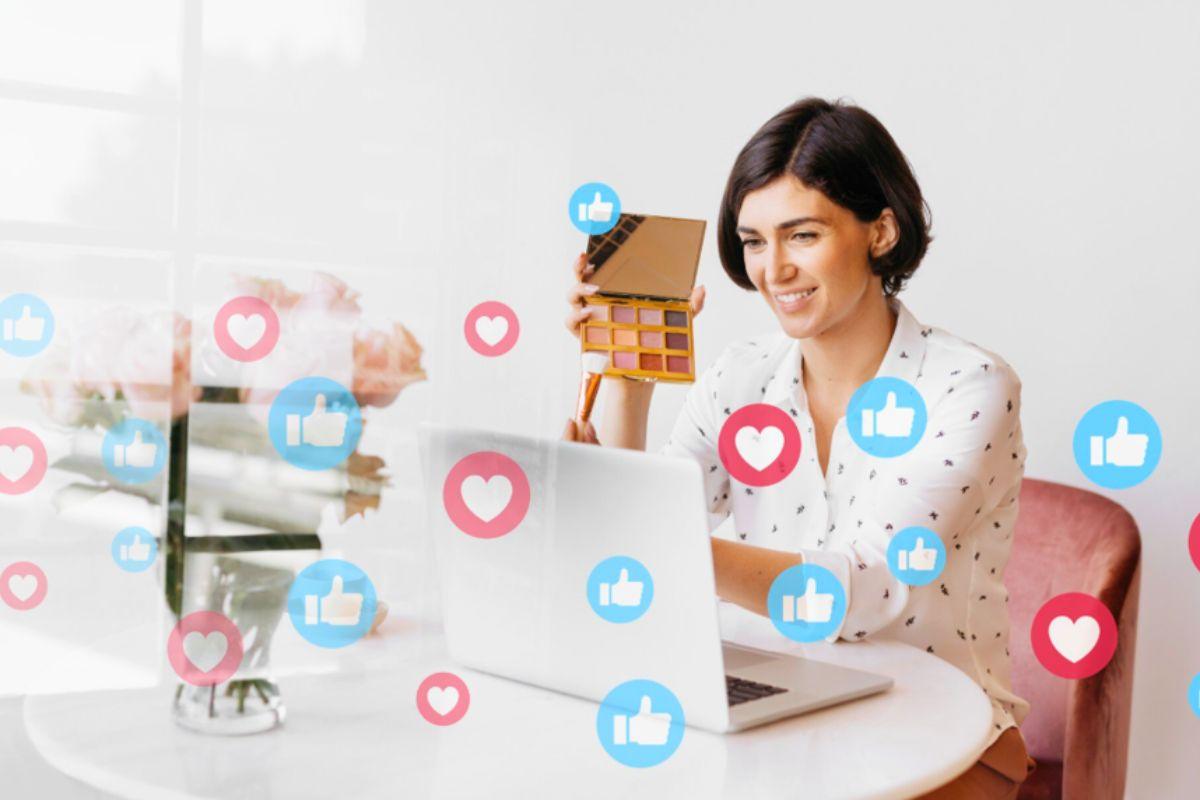
The reach of organic posts depends mainly on existing followers, shares and propagation over the network. Paid social allows the firm to have more control over who sees the message.
It’s not that a larger audience is always a good thing. A neighbourhood gym may not worry as much about folks living outside of a reasonable distance to travel. Not everyone is in the same age range; a wedding supplier may require couples who are selecting venues and planning services.
But the commercial itself still has to grab your attention. A sleek visual with complex language can get buried in the feed. A good picture of the goods. A short explanation and one logical next step give the viewer more cause to stop.
Weak targeting shows up fast with little budgets. Clicks can happen without questioning. They may watch the video but not visit the page. Then the problem can be the audience, the offer or what happens after the click. In addition, it is why frequently companies would hire a digital marketing marbella for professional aid.
Ads should be given the same weight as the landing page. A big campaign can lose leads if the page loads slowly, the pricing is hidden, or the contact form feels like paperwork.
How To Measure The Success Of Your Social Media Marketing Efforts
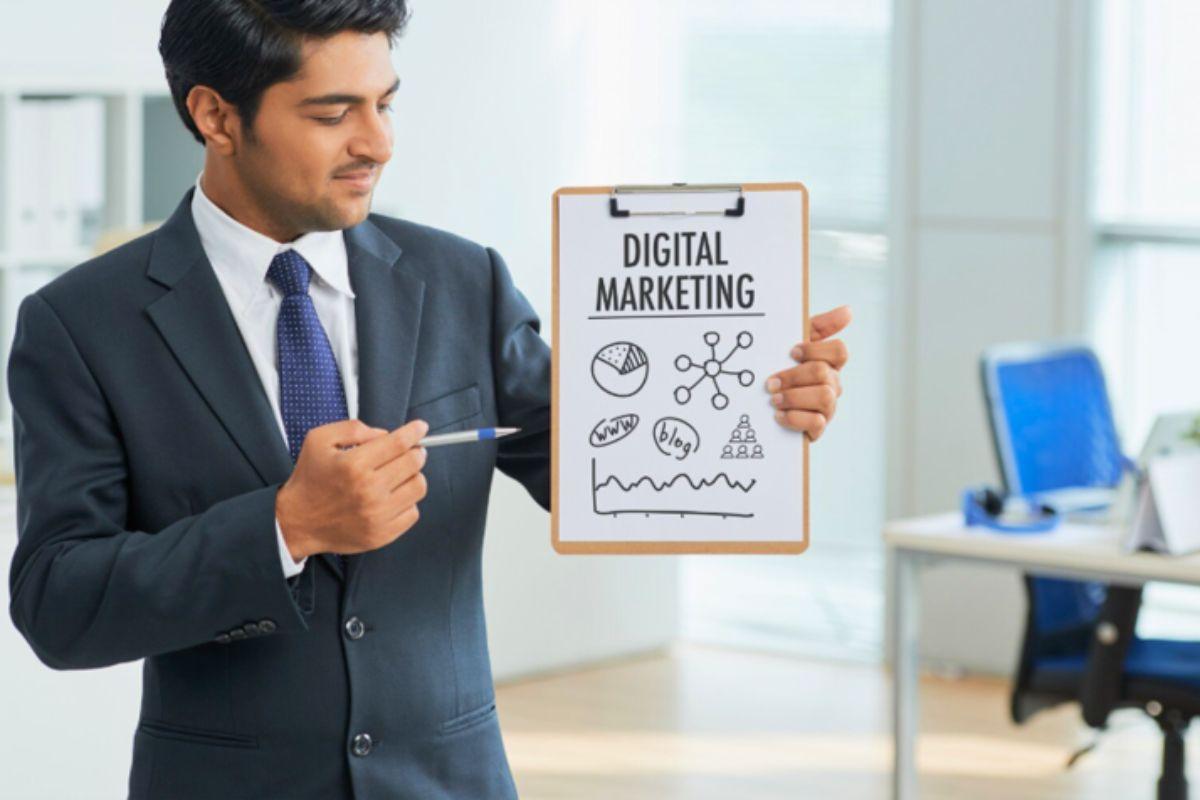
Likes are public and it’s easy to treat them as the primary metric. Sometimes the most interesting story isn’t told by the numbers.
A service company may care about enquiries. An online shop may care about purchases. A restaurant might watch bookings, direction requests and messages from nearby customers.
Useful signals can include:
- Website visits from social platforms
- Direct messages that become enquiries
- Purchases or bookings linked to campaigns
- Saves and shares on practical posts
- Repeat engagement from existing customers
- The cost of generating a lead through paid advertising
Context changes how those numbers should be read. A post with twelve likes may bring two serious inquiries. Another may collect hundreds of reactions from people who were never likely to buy.
Looking across several weeks usually shows more than judging posts one by one. Certain topics start producing questions. Some formats send people to the website. Others create conversation but little action.
That pattern is useful. It shows which content earns attention and which content helps the business move forward.
Conclusion
Social media can keep a small business familiar without requiring a huge advertising budget. Useful posts, realistic publishing habits and carefully targeted ads tend to matter more than constant activity.
Where outside support is being considered, a digital marketing provider may be one part of the wider plan. The stronger measure remains what happens after the post: enquiries, purchases, repeat customers and recommendations.
ALSO READ: What Is Revenue Growth Management? A Practical Guide For CPG Leaders
FAQs
Q1. How Does Social Media Help Small Businesses Grow?
It builds familiar connections with local customers and keeps your business in mind between purchases without needing a massive advertising budget.
Q2. How Often Should A Small Business Post On Social Media?
A realistic, sustainable schedule of two or three solid posts a week is far better than posting constantly and burning out.
Q3. Is Paid Social Media Advertising Worth It For Small Businesses?
Yes, placing a modest paid budget behind your top-performing organic posts allows you to target local customers with precision.
Q4. What Type Of Content Performs Best On Small Business Social Media?
Authentic behind-the-scenes glimpses and posts directly answering common customer enquiries perform much better than polished sales pitches.
Q5. How Do You Measure Social Media Success Beyond Likes?
Track meaningful outcomes such as website visits, direct message enquiries, sales, and repeat customer bookings over several weeks.
Sources & References
- Sprout Social. (2026, June 22). The state of social media in 2026: Data from Sprout’s latest pulse survey.
- Sprout Social. (2026, March 18). Social media marketing for small business: Complete guide for 2026. Sprout Social Insights
- Google. (2026). Google Business Profile best practices playbook 2026. Google Business Profile.
- Wikipedia. (2026). Social media marketing. In Wikipedia.
- U.S. Small Business Administration. (2025, November 21). Small Business Saturday social media guide. SBA.gov.
- HubSpot. (2025, August 27). How often to post on social media for business? A HubSpot experiment. HubSpot Marketing Blog.
- Sprout Social. (2025, May 29). New research from Sprout Social finds social media is the top place Gen Z turns to for search, surpassing traditional search engines. Sprout Social Research.
- Google Business Profile Help. (2025). Create and manage posts on your Business Profile. Google.
Disclaimer: The information provided in this article is for general educational and informational purposes only and does not constitute formal business, marketing, or commercial advice. This content is not intended for promotional purposes or as an endorsement of any particular product or marketing service. Readers should independently verify all facts and figures and consult qualified professional advisors before making business or financial decisions.