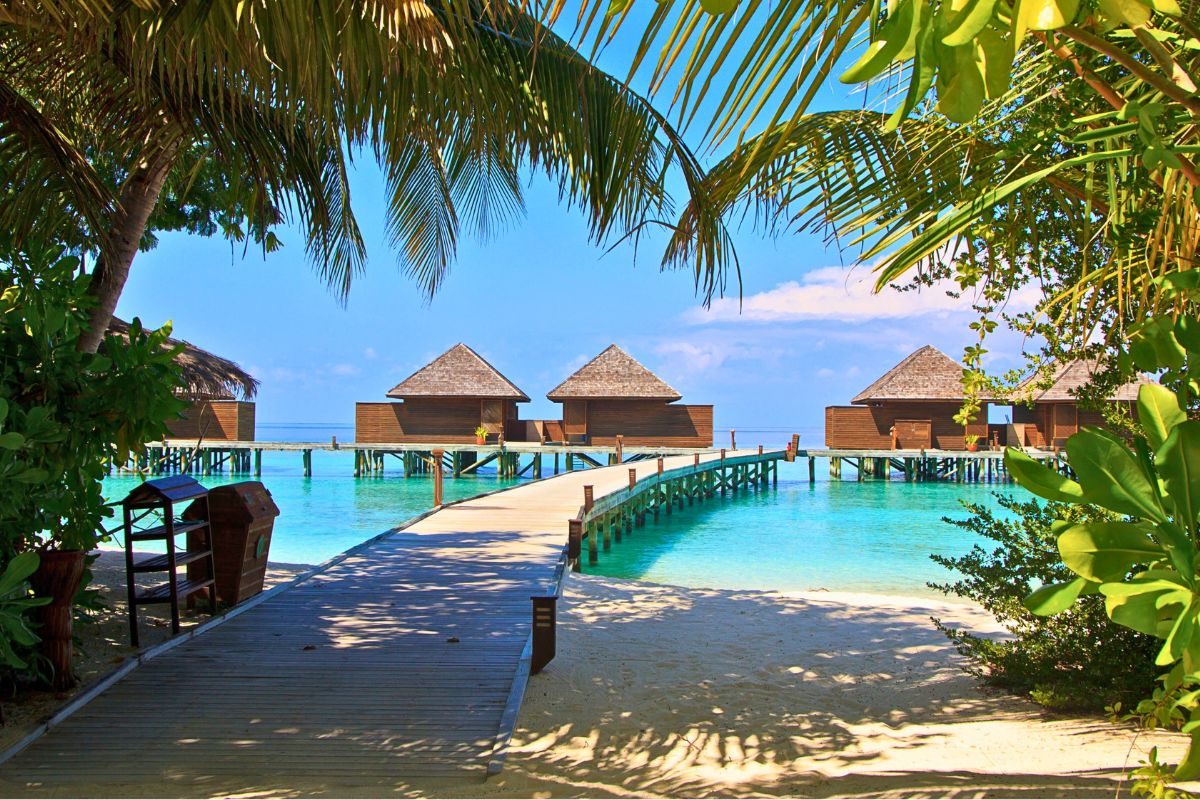
Yes, the Maldives works on a British budget. Stay in a local-island guesthouse from roughly £40–£70 a night, fly out between May and July, use the public ferry instead of a seaplane, and eat where Maldivians eat. Ten nights for two comes to about £2,400–£3,000 all in.
Maldives on a budget: a smart guide for UK travellers really comes down to three decisions: where you sleep, when you fly, and how you reach your island. Get those right and the rest of the holiday looks after itself. Get the transfer wrong and you can lose £600 before you’ve even seen the sand.
- Local-island guesthouses cost £35–£90 a night. Private resort islands start around £500 and climb past £3,000.
- May to early July is the cheapest window, saving roughly £300–£600 per person on flights.
- Public ferries cost £1–£3. A return seaplane can cost £350–£650 per person.
- Green tax is $12 per person per night at resorts and $6 at smaller inhabited-island guesthouses, plus 17% TGST and a usual 10% service charge.
- British passport holders get a free 30-day visa on arrival, but the IMUGA declaration must be filed within 96 hours of travel.
- Your GHIC is worthless here. Proper medical and evacuation cover is essential.
Local Islands Beat Resorts For A Maldives Budget Trip
This is the single biggest lever you can pull. Until 2009, tourists could only sleep on private resort islands. Then the law changed, and Maldivians were allowed to open guesthouses on inhabited islands.
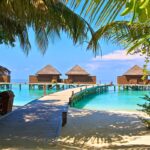
The scale of that shift is striking. BBC Travel reported from the farm island of Thoddoo that more than 1,200 guesthouses now trade across 90 local islands, with figures drawn from the Ministry of Tourism. Rooms there are simple, with clean tiles, cold air conditioning, and fast Wi-Fi; the home-cooked reef fish is fresh, and the beaches are the same postcard turquoise that the resorts charge £600 a night for.
Maafushi is the best-known and busiest. Thoddoo is quieter and brilliant for snorkelling. Dhigurah is your best bet for whale sharks. KiLROY points budget travellers further off the trail still, naming islands such as Dhangethi, Rasdhoo and Felidhoo, where you may well be the only visitor. If small-island hopping is your style, the Cycladic islands in Greece show how much character a quieter island can have.
When To Go For The Lowest Prices
High season runs from December to April: dry, calm, sunny and expensive. Christmas, New Year and the February half-term are the most expensive weeks of the year, when resort rates can often double.
May to early July is the best value period. It’s technically the southwest monsoon, but rain tends to arrive in short, heavy bursts rather than all-day gloom. Vuelo’s budget guide reckons flying in this window saves £300–£600 per person against the December peak, with wet-season resort rates falling 40–60%.
Late September to mid-November is the second window. October can be particularly good value. Temperatures sit between 24°C and 30°C all year, so you are gambling on rain, not warmth. If you’re weighing the Maldives against more mainstream choices, it helps to see the most visited countries in the world and what draws people to them.
Flights From The UK
British Airways and Virgin Atlantic both fly direct from Heathrow to Velana International, taking a shade over ten hours. Qatar Airways, Emirates, Etihad and Turkish Airlines connect through their hubs, often for less from Manchester, Birmingham, Glasgow or Edinburgh. If your journey begins at a smaller London airport instead, an Airport departure guide explains how to get there and what to expect on the day.
Return economy fares typically run £550–£950. Book four to six months out, switch on flexible dates, and set price alerts. Shifting your departure by two or three days can shave £80–£150 off each.
Transfers
Landing at Malé doesn’t mean you’ve arrived. A return speedboat transfer to a resort costs £150–£350 per person; a seaplane is £350–£650. Trans Maldivian Airways flies in daylight only and advises arriving by 15:30 local time for a same-day connection. Land later and you may be paying for a night in Hulhumalé.
Local islands sidestep all of it. The ferry from Malé to Maafushi or Thoddoo costs £1–£3, though services run only a few days a week and never on a Friday. A shared speedboat costs £15–£40 and takes about 45 minutes. Confirm your transfer type and price before you book the room. Two resorts at the same nightly rate can differ by hundreds once the boat is added.
ALSO READ: Top 10 Warm Places to Visit in Europe During UK Winter Months
Food, Ferries And Things To Do
On local islands, a meal at a cafe costs £4–£8. The same plate at a resort restaurant runs £25–£60, and a cocktail £12–£18. The Telegraph notes that a burger and a soft drink at a resort can easily reach £50, which is why a half-board or all-inclusive plan usually works out cheaper than paying as you go.
Most guesthouses throw in snorkel gear and a huge Maldivian breakfast. Book excursions through your host, not an agent: a whale shark trip runs £25–£40, a sandbank excursion £20–£35, and two tank dives around £80–£150.
The Taxes You Must Budget For
These catch people out at check-out. The Maldives Inland Revenue Authority sets a green tax at $12 per person per day at resorts and $6 at inhabited-island guesthouses with 50 rooms or fewer; under-twos are exempt.
On top sits 17% TGST and, at most resorts, a 10% service charge. Guesthouses often want their payment in cash US dollars, so carry small notes. Because everything is priced in dollars, it’s also worth understanding how inflation figures affect the pound before you exchange your money.
Rules And Admin For British Visitors
The Maldives is a Muslim country, and the rules are real. Alcohol is legal only inside resorts. Never carry it onto a local island. Cover shoulders and knees in villages, use the designated bikini beach, and know that topless sunbathing is illegal anywhere, resorts included. Pork, alcohol and religious idols cannot be imported.
Two newer rules matter. Vapes have been banned outright since 15 November 2024, including for tourists, and a generational smoking ban now covers anyone born on or after 1 January 2007. Plugs are usually UK type G, clocks are five hours ahead of GMT, and resorts price everything in US dollars. To avoid roaming charges, many travellers now set up an eSIM before they fly.
A Realistic 10-Night Budget For Two
Flights £1,200–£1,600. Guesthouse rooms across two islands: £630–£980. Ferry and speedboat hops are under £300. Food £300. Excursions £200–£300. Insurance: £100. Total: roughly £2,400–£3,000, or £1,200–£1,500 each.
Compare that with £5,000–£8,000 for a mid-range all-inclusive resort week or £8,000–£14,000 for a five-star seaplane honeymoon. The Maldives welcomed a record 2,246,516 visitors in 2025, with the UK its third-largest market. Plenty of them paid ten times what you need to.
ALSO READ: Bali Indonesia Kuta Beach: What To Know Before Your Visit
FAQs
Q1. How Much Does A Maldives Trip Cost For Two People From The UK?
Budget £2,400–£3,000 in total for ten nights on local islands, including flights, rooms, food and a few excursions. A mid-range resort week for two sits closer to £5,000–£8,000.
Q2. What Is The Cheapest Time To Visit The Maldives From The UK?
May to early July is cheapest, saving £300–£600 per person on flights. Late September to mid-November is the next best window. Avoid Christmas, New Year and the February half-term entirely.
Q3. Can You Visit The Maldives Without Staying In A Resort?
Yes. Guesthouses on inhabited islands such as Maafushi, Thoddoo and Dhigurah charge £35–£90 a night. The reefs and beaches are just as good; you simply reach them by ferry.
Q4. Do UK Travellers Need A Visa For The Maldives?
No advance visa is needed. British tourists receive a free 30-day visa on arrival, subject to checks. You must file the free IMUGA traveller declaration within 96 hours of arrival.
Q5. Is Alcohol Available On Local Islands?
No. Alcohol is served only within resorts and licensed areas. Carrying it onto an inhabited island risks arrest or deportation, so don’t bring duty-free bottles with you.
Q6. Is It Cheaper To Take A Ferry Or A Speedboat To Maafushi?
The public ferry costs £1–£3 but runs only on set days and takes around two hours. A shared speedboat costs £15–£40 and takes 45 minutes.
Disclaimer: This travel guide is published strictly for general informational purposes only and does not constitute promotional material, commercial endorsement, or official travel advice. Flight fares, accommodation rates, ferry schedules, local taxes, and entry regulations in the Maldives are subject to frequent change without notice. Readers should independently verify all prices, visa requirements, and safety guidelines with official government sources, airlines, and licensed travel professionals before making any booking or financial commitment.