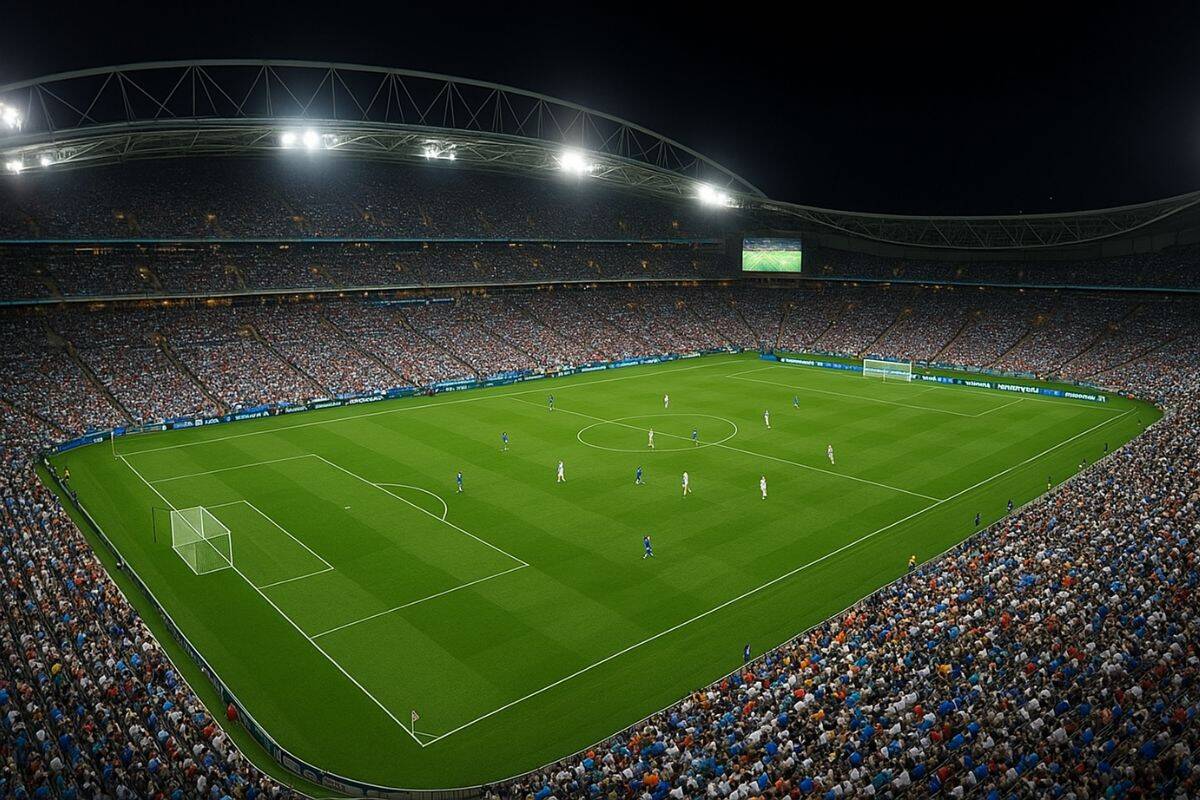
So, if you are wondering, “What is the most popular sport in the United Kingdom?” Here is the answer. Football. End of story. Ask anyone in any pub, any town, anywhere in Britain, and they’ll tell you the same thing. It’s not even close.
Some 80% of British sports fans watched football in surveys taken for 2025. The Premier League is a worldwide TV phenomenon, watched by millions around the globe. Manchester United, Liverpool, Arsenal, and Chelsea are clubs that have a fan presence all over the world. But it’s not just the top teams. Local clubs, Sunday leagues, and kids playing in the park all add up.
In terms of sports participation, football reigns supreme again. About 11m people in the UK play football at some level. That goes from five-a-side after work to school teams to actual amateur leagues.
Women’s football has grown massively. The England Lionesses’ success has led to record numbers of girls and women taking up the sport. Clubs that never had women’s teams are starting them now.
What Is The Most Popular Sport In The United Kingdom Today?
More than 4,000 adults were polled for the 2025 EY Sports Engagement Index. So, football comes first for engagement in all age groups. No surprises there.
But Formula 1 has skyrocketed. Now it is second for overall engagement and third among 18- to 24-year-olds. That’s also a massive increase for a motorsport, largely due to the Netflix series Drive to Survive pulling in younger audiences.
Swimming comes third. Tennis and athletics round out the top five. These rankings take into account three avenues to the sport: playing it, watching it and going to events.
The list is a bit different for younger people. Football, running, Formula 1, swimming and boxing are the top five for 18- to 24-year-olds. Basketball is growing fast too, especially in cities.
Watching Sports Vs Playing Sports
About 64% of UK adults regularly engage with sports in 2025. That goes up to 72% if you include things like hiking.
There’s a big gap between watching and playing, though. Football might have 80% of fans watching, but the 11 million players is still only about 16% of the population. Still massive compared to other sports.
Swimming is different. It’s the second most played sport, with 4.2 million participants. Loads of people swim regularly who never watch competitive swimming. It’s exercise, a life skill, something you do for yourself.
Golf has 1.06 million participants. Tennis has 641,000. Cricket, despite being huge culturally, has only 229,000 regular players. Most people watch it rather than play it.
What Brits Watch
After football, boxing comes second in viewership at 29% of sports fans. Big fights still draw massive audiences even though it seems quite niche.
Cricket is third with 26% of fans watching. The Ashes still stops the nation during the summer. Rugby sits at 25%, tennis at 25%.
Tennis gets a huge boost during Wimbledon. For those two weeks everyone becomes a tennis fan. The rest of the year it drops down the rankings.
Motorsports, mainly Formula 1, have 21% of fans watching. That’s grown loads recently. Lewis Hamilton’s success hasn’t hurt either.
American football makes the top ten with 13% of fans. The NFL games at Wembley sell out instantly. Still niche but growing.
What People Actually Play
The most played sports list looks different from the most watched. Swimming takes second with 4.2 million regular swimmers. It’s accessible, available year-round, and part of the school curriculum.
Golf comes third with 1.06 million players. Britain has brilliant courses, including St Andrews in Scotland. It’s expensive, though, which limits who can play.
Tennis has 641,000 players. Badminton sits at 362,000. Netball, massive in girls’ schools, has 319,000 players. Basketball is at 232,000 and growing.
Cricket only has 229,000 regular players despite its huge cultural importance. Rugby Union has 223,000. Small numbers compared to football’s 11 million.
Running is harder to measure because lots of people run without joining clubs. But parkrun events, free weekly 5k runs across the country, are hugely popular.
Money Problems
Sports participation has taken a hit from rising costs. The 2025 data shows people over 45 are playing less sport than before. Cost is a big factor. Gym memberships, club fees, equipment, it all adds up.
About 62% of people who don’t play sport don’t know anyone who does. That rises to 70% in lower-income groups. Sport is becoming more exclusive.
Swimming and running stay popular partly because they’re relatively cheap. You need a pool membership or trainers; that’s about it. Golf, tennis and skiing get hit harder when money‘s tight.
The gender gap in sports participation is still there but narrowing. Men play more regularly, but the gap has shrunk. Women’s football and netball are driving growth.
Different Sports In Different Places
Football dominates everywhere, but other sports have regional strongholds. Rugby Union is massive in Wales and parts of England. Rugby League is big in the north.
Cricket is stronger in the south and in areas with large South Asian communities. Scotland has a special relationship with golf. Scottish courses are legendary worldwide.
Horse racing has its heartlands. The Grand National, Royal Ascot, and Cheltenham Festival – these events draw huge crowds and betting interest.
New Sports Growing
Darts has shot up. It jumped from 15th in 2022 to 9th in 2025. That’s 261% growth in people searching for pubs showing darts. Luke Littler, a 17-year-old darts sensation, has brought loads of new attention.
Esports and gaming competitions are growing but aren’t measured in traditional sports surveys yet. They appeal to younger people who might not care about traditional sports.
Mixed martial arts and UFC have built a dedicated following. Still niche but the fanbase is passionate and growing.
Why Football Stays Number One
Football is accessible. You need a ball and some space. Kids play in streets, parks, and playgrounds. It’s part of the culture in a way tennis or cricket aren’t.
The Premier League’s global success keeps the sport visible. Matches are on TV constantly. News coverage is massive. Social media is full of football chat.
Grassroots football is strong. Local clubs, school teams, and Sunday leagues all feed into the sport’s popularity. The infrastructure is there.
The emotional connection matters. People grow up supporting clubs. It gets passed down through families. That tribal loyalty keeps fans engaged even when their team’s rubbish.
The Olympics Boost
Paris 2024 boosted several sports. Athletics, gymnastics and swimming all saw engagement rise by over a third. Tennis got a bump too.
Olympic sports get a surge every four years but struggle between Games. Swimming manages better than most because of regular pool access. Athletics has tried to build on Olympic interest but keeping casual fans engaged is tough.
What’s Changing
Football will stay number one. The infrastructure, the money, the cultural importance, it’s too established to shift.
But younger people are more diverse in their interests. They’re not just football fans. They watch Formula 1, follow basketball, and try different activities.
Women‘s sport is growing massively. Women’s football, netball, rugby, and cricket are all seeing big increases in participation and viewership. That’s changing sporting culture.
Cost will keep affecting who can play what. Free or cheap sports will do better. Expensive sports will become more exclusive unless funding and access improve.
The Answer
So what is the most popular sport in the United Kingdom? Football wins by miles. Whether you measure by watching, playing, betting, or just talking about it, football dominates everything. About 80% of sports fans watch it and 11 million people play it. No other sport comes close to those numbers. British sporting culture is richer than just football, though. Swimming, rugby, cricket, and tennis – they all matter. But if someone asks what sport defines Britain, the answer is simple. It’s football.
Recommended