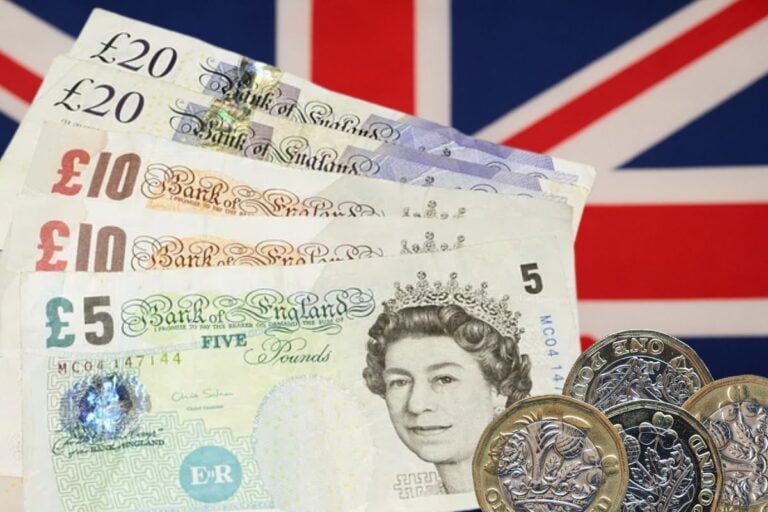
Right. Let’s get straight to it. When does ISA allowance reset? Every single year on 6th April. That’s when your £20,000 allowance refreshes and you can start saving tax-free all over again. Miss it and you can’t carry anything forward. Gone. Finished. Use it or lose it, as they say.
The tax year runs from 6th April to 5th April the following year. So for 2025/26, your allowance resets back on 6th April 2025 and you’ve got until 5th April 2026 to use it. Then it resets again on 6th April 2026 for the 2026/27 tax year.
Simple enough. But here’s the thing. Those dates matter more now than they’ve done in years. Because the government’s changing the rules from April 2027, and if you’re under 65, you’re going to feel it.
What Is ISA Allowance Anyway
Let’s back up for anyone scratching their head. What is ISA allowance? It’s the largest sum individuals can deposit into Individual Savings Accounts in a single tax year, on which they do not need to pay tax on interest or investment returns. That’s now £20,000 in total across all your ISAs combined.
You can divide that twenty grand any way you want. Put it all into a single cash ISA allowance, spread it across several cash ISAs (they relaxed that rule in April 2024), chuck some into a stocks and shares ISA or whatever combination takes your fancy. Your choice. As long as you don’t go over twenty grand you’re sorted.
There’s one exception. Lifetime ISAs also have their own cap of £4,000 a year. That remaining £4,000 does still count towards your total £20,000 allowance, so if you max out a LISA you’ve got £16,000 left for other ISA types.
Children have their own individual junior ISA allowance of £9,000 a year. That doesn’t erode your personal allowance in the slightest.
The Bit Most People Get Wrong
So, when does ISA allowance reset exactly? Here’s where people trip up. The deadline’s 5th April. That’s the last day to use this year’s allowance. But don’t leave it until the actual deadline if you’re planning to deposit money.
Banks and building societies take a few days to process payments. Transfer something on 4th or 5th April and it might not reach your ISA until after the 6th. Suddenly, that payment counts against next year’s allowance instead. You’ve just wasted this year’s limit.
Best to get your money in at least a week before the deadline if you’re cutting it close. Better yet, don’t wait until the last minute at all.
The reset happens automatically on 6th April. You don’t need to do anything. Don’t need to open an ISA account every year either. Your existing ISAs stay put and you can keep adding to them with your fresh allowance.
Though honestly? It’s worth shopping around each year anyway. Providers launch competitive rates in March and April, trying to attract customers before the deadline and after the reset. You might find a better deal elsewhere.
Why This Year’s Different
Now the important bit. The government announced major changes in the Autumn Budget back in November. The cash ISA limit will fall from £20,000 to £12,000 from April 2027 for those under-65.
Yeah, you read that right. Under 65 only.
If you are aged 65 or over, you retain the full £20,000 cash ISA limit. Martin Lewis pushed hard for that age exception and says it’s a real win. Without it, everybody would have been caught by the cut.
Your overall annual ISA allowance stays at £20,000 regardless of age. But if you’re under 65, only £12,000 of it can be put into cash ISAs. The remaining £8,000 has to go into stocks and shares ISAs, innovative finance ISAs or not used at all.
The government says they’re doing it to encourage the young to invest in stocks rather than just save, something already debated heavily around proposals like the British ISA. Martin Lewis isn’t convinced. He’s been saying for months that reducing the cash limit will not suddenly transform people into investors. For most people it will just be more tax levied on the interest they earn on their savings.
Treasury Committee agrees with him. Their report in October found that fewer than one in 10 cash ISA owners would transfer their money to stocks and shares if the limit was reduced. The others would either save less or owe more in tax.
The New Tax Nobody’s Talking About
There’s another change coming in April 2027 that’s getting less attention. If you hold cash inside a stocks and shares ISA or an innovative finance ISA, the interest on that cash will be taxed.
Right now, everything inside any ISA is tax-free. Doesn’t matter if it’s stocks, bonds, or just cash sitting there. All tax-free. But from 2027, they’re adding a levy on cash interest within investment ISAs.
Why? To stop people using stocks and shares ISAs as glorified savings accounts. Some people were opening investment ISAs then just parking cash in them to dodge the cash ISA limit. Government’s closing that loophole.
Again, if you’re 65 or over, this doesn’t affect you. Under 65? You’ll be caught by it.
What You Can Actually Do About It
Look, there’s not much point panicking. You’ve still got over a year before these changes kick in. But it’s worth thinking about now if you’re a serious saver.
If you consistently max out your £20,000 ISA allowance each year and you’re under 65, you’ll need a plan for that extra £8,000 after April 2027. Either get comfortable with investing it, or accept you’ll be paying tax on some savings interest, especially as wider tax rules continue to tighten.
For most people, though? They’re not saving anywhere near £20,000 a year anyway. Average person puts roughly £4,000 into ISAs annually according to HMRC data. If that’s you, the cash limit cut won’t touch you.
Still worth using your ISA limits each year if you can. Even if it’s just a few hundred quid. That money grows tax-free year after year. Over decades, it makes a proper difference.
And remember, you can’t carry unused allowance forward. If you don’t use your full £20,000 this tax year by 5th April 2026, it disappears. You get a fresh £20,000 on 6th April 2026, but anything you didn’t use from 2025/26 is gone forever.
The Lifetime ISA Mess
While we’re on the subject, let’s mention Lifetime ISAs briefly. They’re still around, but the government’s consulting on replacing them with something simpler for first-time buyers.
The LISA had problems for years. Property price limit’s stuck at £450,000 since 2017. House prices have gone up loads since then, meaning first-time buyers in London and the Southeast can’t find anywhere under that limit. If you buy a house over £450,000, you get hit with a 6.25% penalty on your own savings. Absolute joke.
Chancellor’s promised a consultation in early 2026 on a new product to replace it. Until then, LISAs are still available but the future’s uncertain.
If you’ve already got a LISA, don’t panic. Whatever replaces it probably won’t affect existing accounts. But maybe don’t put loads more in right now, given they might scrap the whole thing.
The Actual Answer
So, when does ISA allowance reset? 6th April every year. Mark it in your calendar if you’re serious about saving. The deadline’s 5th April. Get your money in at least a week before if you’re cutting it close.
From April 2027, those dates matter even more for anyone under 65. Because once that cash limit drops to £12,000, you’ll be racing against the clock to use both your cash allowance and figure out what to do with the rest, possibly by learning more about investing basics.
Unless you’re 65 or older. Then you can carry on as normal with the full £20,000 cash limit, lucky you.
Look, ISAs are still brilliant for tax-free saving. The rules are just getting more complicated. Keep track of the dates, use your allowance before it resets, and don’t accidentally deposit too much across multiple accounts.
And if someone tells you the allowance rolls over year to year? They’re wrong. It absolutely doesn’t. 5th April deadline. 6th April reset. Every single year, like clockwork.
A bit boring, but there you go. At least you won’t waste your allowance now.
Recommended