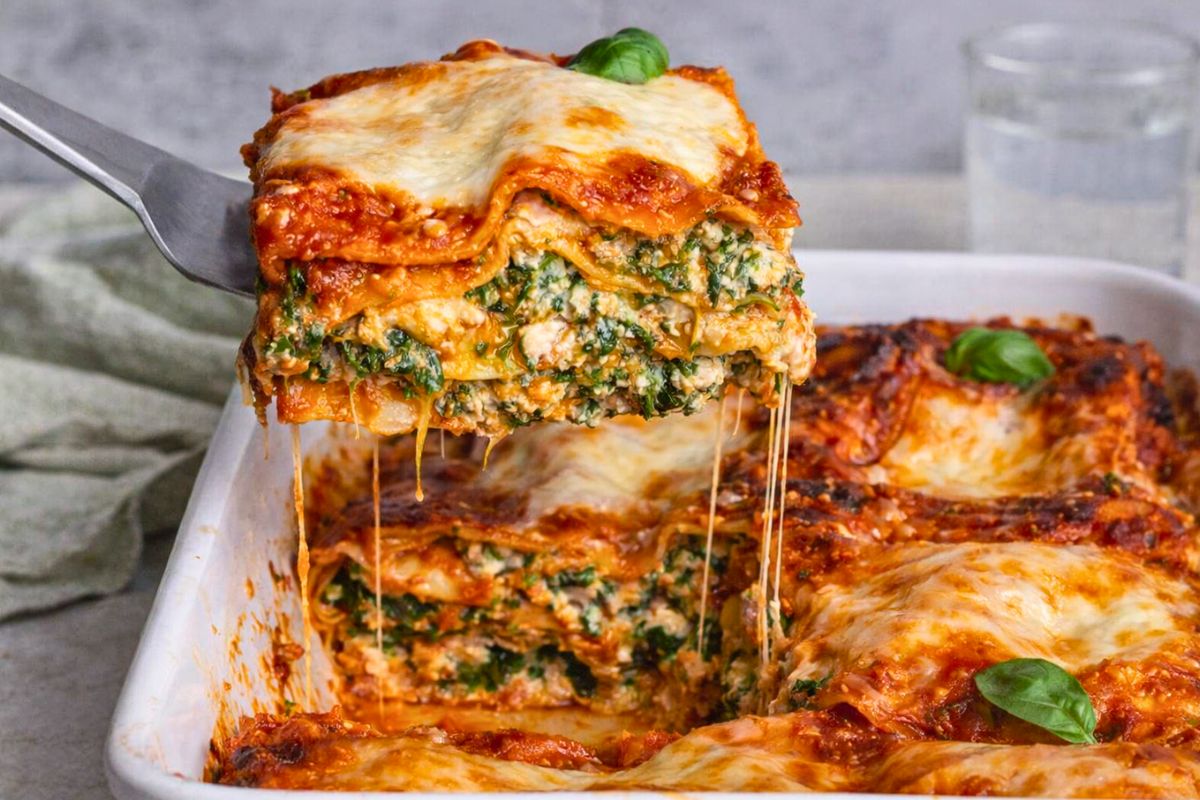
Look, I’ve lost count of how many watery vegetarian lasagnas I’ve watched fall apart over the years. You know the type. It comes out of the oven looking glorious. Golden top, bubbling edges, the works. Then you slide the knife in and… disaster. The layers give up. The plate turns into a little swamp of greenish liquid and floppy pasta. Bit tragic, really. Especially after all that chopping and stirring and waiting around while the oven heats the whole kitchen like a sauna.
I remember one winter evening in Leeds, tiny flat, windows fogged up, trying to impress a couple of friends with what I swore would be a “proper” spinach ricotta cheese lasagna. Smelled amazing. Looked promising. Served it up and it just slumped there like it needed a lie-down. That’s when it clicked. This dish isn’t difficult because it’s fancy. It’s difficult because of water. Spinach holds more of it than you think; ricotta adds its own softness, and if you don’t handle both with a bit of care, the whole thing turns loose and messy. Tasty, sure. But messy.
Fast forward to now, late January 2026, and home cooking in Britain feels different. People aren’t settling for a token veggie dish anymore. They want food that’s filling, textured, something that sits proudly on the plate instead of sliding about. When you get ricotta cheese for lasagna with spinach, it stops being the “meat-free alternative” and starts being the star of the table. Creamy without being heavy. Earthy without tasting like a garden. The kind of meal where someone asks for seconds before you’ve even finished your first bite. And honestly, that’s when you know you’ve cracked it.
The Secret To Choosing Your Cheese
Let’s talk about the ricotta. In the UK, we’re lucky because our dairy aisles have actually improved a lot recently. But here’s the thing: not all tubs are created equal. Most people just grab whatever’s on offer at Tesco or Sainsbury’s, but that’s where the trouble starts.
| Ricotta Type | Feel and Finish | Best Way to Use It | Price Point |
|---|---|---|---|
| Deli Fresh (Wedge) | Crumbly, rich, dry | The “pro” choice for perfect layers | £3.20+ |
| Galbani Original | Thick and creamy | The most reliable all-rounder | £1.95 |
| Waitrose Essential | Light and smooth | Great for a softer, wetter style | £1.65 |
| Supermarket Own Brand | Often quite watery | Needs serious draining before use | £1.40 |
Look, I’m going to be blunt: if you buy the cheap, watery stuff, you have to work twice as hard. I always look for “Whole Milk” ricotta. That extra bit of fat acts as a structural support. Low-fat versions tend to weep liquid as they bake, which is exactly how you end up with that “lasagna soup” I mentioned.
A quick word of warning on those supermarket shelves. If you’re standing in the aisle and can’t find a proper Deli Fresh wedge, don’t panic. Just reach for the blue tub of Galbani. In my experience, it’s about the only supermarket brand in the UK that does not just dissolve into nothingness the moment it hits the heat.
Some of the cheaper own-brand versions have so much added water they basically turn into skimmed milk in the oven. Galbani stays thick enough to actually give you a proper bite, which is exactly what you want when you’re aiming for that perfect spinach ricotta cheese lasagna.
Draining Is Non-Negotiable (Seriously)
It’s tempting to rush past this bit. Don’t. Even the priciest tub of ricotta is hiding more liquid than you’d expect. Scoop it straight into a dish and that water ends up in your lasagna, whether you like it or not. I learnt that the messy way more than once.
What works is simple. A sieve, a clean tea towel and some patience. Add the cheese, fold the cloth over on top of it and leave it alone for a few hours. If you have time, park it in the fridge overnight and don’t think about it until morning.
Come back later and you’ll find a murky little pool at the bottom of the bowl. It looks a bit grim, but honestly, you’ll be glad it’s in the bowl and not soaking into your bottom layer of pasta.
Eliminating it will give your spinach ricotta cheese lasagna more body, flavour and a texture you wouldn’t believe. The lasagna keeps its shape, slices cleanly and actually sits on a plate rather than wandering off like it’s trying to escape.
Fresh Versus Frozen: The Great Spinach Debate
This is where most people get into a right muddle. Fresh spinach is lovely, sure. But to get enough for a family-sized tray, you’d need to buy about four massive bags. It wilts down to nothing.
I actually prefer using frozen whole-leaf spinach. It’s cheaper, it’s already blanched, and it’s consistently good. But you have to squeeze it. I do not mean a little pat with a paper towel. I mean, put it in a tea towel and twist until your knuckles turn white. You want it to be a dry, green ball of fibre.
Once it’s dry, I like to sauté it quickly with a knob of butter and some fresh garlic. It adds a depth that you just do not get from raw spinach.
Mixing The Perfect Filling
Right, here’s the thing. If you just throw the spinach into the ricotta and stir it a couple of times, it looks fine, but it won’t behave once it hits the oven. It stays loose. Falls apart. You need something to give it a bit of backbone. One egg, lightly beaten, is usually enough. Mix it in and the texture changes straight away. Smoother, thicker, easier to spread. When it bakes, it holds its shape instead of crumbling like wet sand.
And nutmeg. Proper nutmeg. The whole seed, not the dusty powder that’s been rattling around in a jar since who knows when. The difference is obvious the second you grate it. Warmer smell, slightly sweet, almost comforting. It does not shout. It just rounds everything off, especially the spinach, which can taste a bit too earthy on its own.
Then a small handful of Parmigiano Reggiano. Not a mountain, just enough. It adds a salty edge and a bit of depth so the filling doesn’t taste flat. Give it a proper stir, taste it once, maybe twice, and you’ll notice it suddenly feels like an actual filling rather than a bowl of random ingredients. That’s when you know it’s ready.
I’ve seen people try to be clever by adding extra herbs, but keep it simple. Salt, pepper, nutmeg. That’s the trinity. Anything else just starts to muddle the flavour of the cheese.
The Layering Strategy That Never Fails
The order matters. I’ve watched people start with the cheese at the bottom, and it nearly always ends the same way. Stuck corners. Burnt patches. A nightmare to scrape out afterwards.
- The Base: A very thin layer of tomato sauce. Just enough to stop the pasta from fusing itself to the dish like glue. Seriously, do not skip this, or you’ll be scrubbing that dish until next Tuesday.
- The Sheets: Fresh pasta is lovely if you can get it. If you’re using dried no-boil sheets, let your sauce stay a little looser so the pasta has something to drink in while it cooks.
- The Filling: A proper, even spread of your ricotta cheese for lasagna with spinach mix. Not stingy, not piled high. Just enough so every bite actually tastes of it.
- The Topping: This is the British bit. I always top with thick, smooth béchamel sauce and a combination of mozzarella and cheddar.
The béchamel on top acts like a soft, enveloping blanket. It protects the ricotta beneath from the oven’s dry heat and prevents everything from cracking or crusting prematurely. And then, with baking, it turns golden and bubbly, the kind of top layer that makes people hover near the kitchen asking if it’s ready yet.
The Honest Truth: Is It Healthy?
Let’s be real for a second. No one sits down to a plate of lasagna expecting a detox salad. It’s comfort food, plain and simple. However, because we’re leaning heavily on ricotta cheese for lasagna with spinach rather than heaps of fatty béchamel or greasy mince, it’s actually a lot cleaner than the traditional meat version.
In my experience, a standard, hearty slice of a well-made spinach ricotta cheese lasagna looks something like this:
| Nutrient | Typical Amount (Per 300g Slice) | Why It Matters |
|---|---|---|
| Calories | 480 – 520 kcal | Substantial but will not ruin your day. |
| Protein | 22g – 26g | Mostly from the ricotta and that binder egg. |
| Total Fat | 24g | Primarily, good fats from the dairy. |
| Carbs | 42g | The pasta gives you that slow-burn energy. |
| Fibre | 4g | Thank the massive pile of spinach for this. |
How To Tweak The Numbers Without Losing The Soul
If you’re exercising and craving a high-protein hit, you should not reach for more cheese. Whisk another egg white into your ricotta mix instead. It provides no flavour but adds the protein and also makes the filling set even more firmly. You could also add some finely chopped cooked chicken or even a little smoked salmon if you’re not strictly vegetarian.
Want to make it lighter? I would never ask you to cook with low-fat ricotta. Instead, have a thinner layer of pasta and double the spinach. You’ll have a greener bake that is not as heavy on the stomach. Another option is swapping the heavy top layer of cheddar for a light coating of Pecorino Romano. It has such a strong, tangy flavour that you need half as much for the same cheesy hit.
Troubleshooting: Why Is My Lasagna Still Falling Apart?
If it’s still a bit floppy when you pull it out, chances are you just rushed it. Happens to everyone. The smell hits, the cheese is bubbling, and all you want is a slice on your plate that second. But give it a breather. Come back in fifteen or twenty minutes and it will behave much better.
When it first leaves the oven, everything inside is still soft and shifting about. Let it cool a little and the layers settle down on their own. Cut it too soon and it just spreads out. Still edible, just not exactly pretty.
And one more thing people forget. The oven dial. Around 180°C with the fan on is usually spot on. Turn it higher and the corners start to catch while the middle is still finding its feet.
Can You Freeze It?
You can, yes. And a lot of the time, this food actually tastes better after a day or so. Something about sitting overnight just pulls it together.
If you’re cooking ahead, just put the whole thing together and leave it unbaked. Cover it properly with foil, then wrap it again so no air sneaks in. Slide it into the freezer and it will sit there quite happily.
Do not skip the thawing. Move it into the fridge the day before you plan to cook it and let it come back slowly. If you try to bake it straight from frozen, the middle stays cold while the top goes too far.
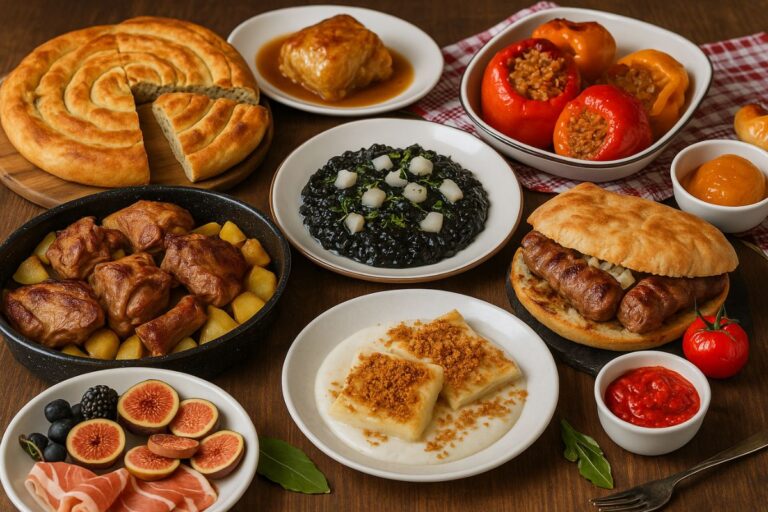
ALSO READ: Traditional Croatian Food: Is It Similar to Italian or Greek Cuisine? Find Out!
Final Thoughts For The Home Cook
Making a good spinach ricotta cheese lasagna is not about showing off or trying to do something fancy. It is the simple things executed well. Get the water out of the spinach, let the ricotta firm up and do not skimp on salt and pepper. On a chilly night in January, a warm slice can seem absurdly cosy.
And this weekend if you’re giving it a try, remember one thing. When you wring the spinach, do not be delicate. If the tea towel looks clean at the finish, you are likely too light-handed.
Sources & References
- BBC Good Food: “Spinach & Ricotta Lasagne: The Ultimate Vegetarian Comfort Food” (Verified Jan 2026).
- The Spruce Eats: “Parmigiano Reggiano vs. Parmesan: Key Differences Explained.”
- Tesco Real Food: “Vegetarian Cooking: How to Prevent a Watery Lasagna.”
- Galbani UK: “The Traditional Method of Making Italian Ricotta.”
- Serious Eats: “The Science of Moisture Control in Fresh Cheese Lasagna.”
- The Kitchn: “Why You Must Drain Ricotta Before Baking.”
Disclaimer: This article is provided for informational purposes only. It is not intended as promotional content, advertising, or an endorsement of any product, brand, or service mentioned. All opinions expressed are based on general knowledge and personal experience and are meant solely to inform readers.
Recommended