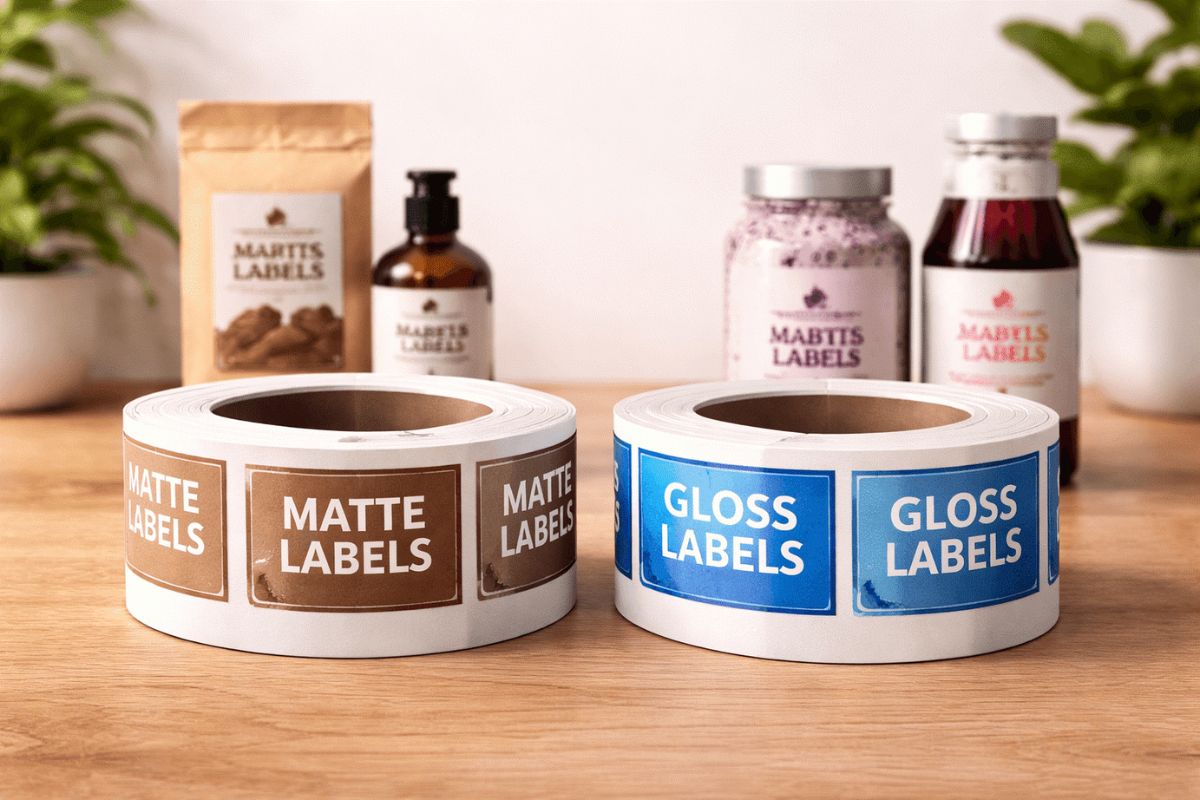
In the competitive world of product packaging, first impressions… well, they’re kind of everything. Sometimes they’re the only thing. When a customer scans a shelf, your Matte and Gloss labels get what, two seconds? Maybe less. That’s all the time it has to tell your brand’s story. And sure, typography and colour do a lot of the talking. But the physical finish of the label—how it catches the light, how it feels under your thumb—quietly says a lot more than people realise.
Choosing between a matte and a gloss finish is a big deal. Bigger than it sounds, honestly. It’s not just about “shiny vs flat,” even though that’s what people usually think at first. With CDM Labels, this choice also influences durability, affects readability, and, interestingly, even plays into brand psychology.
So in this guide, we’re breaking things down. The technical stuff, yes—but also the visual side of it. The feel. The vibe. All of it. Hopefully, by the end, you’ll have a clearer idea of what actually works for your product.
1. Gloss Labels: The High-Impact “Showstoppers”
Gloss labels are easy to spot. They’ve got that high-shine, reflective surface that almost demands attention. Usually, this finish comes from a liquid varnish or a plastic laminate layered on top of the printed material. Simple idea, big effect.
The Benefits Of Gloss
- Vibrant Colour Saturation: Gloss surfaces are smooth. Really smooth. So when light hits them, it bounces straight back to your eye. The result? Colours look deeper. Richer. More alive, honestly. If your brand leans on bold visuals—bright reds, electric blues, punchy photography—gloss just makes sense. It kind of amplifies everything.
- High Visibility: These labels catch the light without even trying. That alone makes them stand out on a crowded shelf. And in retail, where everything is fighting for attention, that “look at me” factor—yeah, it matters. A lot.
- Superior Moisture Resistance: That slick coating isn’t just for looks. It repels water. Oils too. So if your product lives in a fridge or a bathroom—think food and beverage or health and beauty—gloss labels hold up really well. Condensation? Splashes? Not a huge problem.
The Trade-Offs
But yeah, there’s a flip side. The shine that makes gloss labels pop can also work against them. Under strong retail lighting, they can throw off quite a bit of glare. That can make small text harder to read. Sometimes you have to tilt the product just to see it properly, which—let’s be real—not everyone will bother doing. And fingerprints? Smudges? They show up more than you’d like, especially on darker designs.
ALSO READ: How Quality Promotional Videos Increase Conversions and Brand Trust
2. Matte Labels: The Sophisticated “Silent Type”
Matte labels go in the opposite direction. No shine. No glare. Just a flat, non-reflective finish. Instead of bouncing light back, the surface diffuses it. Scatters it, really. The result is softer. More muted. Kind of velvety, actually.
The Benefits Of Matte
- Understated Luxury: Here’s the thing—loud isn’t always better. Not anymore, anyway. Matte finishes feel calm. Controlled. A bit more refined. You’ll see them on high-end skincare, artisanal foods, boutique wines… brands that want to feel “crafted” or natural. It’s subtle, but it says a lot.
- Exceptional Readability: No glare. None. That alone makes matte labels easier to read in pretty much any lighting condition. Bright store lights, dim shelves, doesn’t matter. If your design includes a lot of text—ingredients, instructions, compliance info—this is a huge advantage.
- Human And Machine-Friendly: Matte surfaces just behave better. For barcode and QR code scanning, especially. Gloss can create those weird reflective “hot spots” that scanners struggle with. Matte avoids that. Clean scans, every time. And if you need to write on the label? A standard ballpoint pen works fine. No slipping around. That’s surprisingly useful for things like batch numbers or “best before” dates.
The Trade-Offs
Of course, matte isn’t perfect either. It tends to soften colours. Flatten them a bit. So if your design depends on super bright or neon tones, they might look slightly muted. Not dull exactly, just… toned down. Also, while modern matte finishes are durable, they can show scuffs if they’re handled roughly during shipping. You might notice slight marks—burnishing, they call it—if there’s a lot of friction.
ALSO READ: What Is Freight Insurance Meaning? Israel–US–Iran War Is Impacting Cargo or Shipping Insurance Costs
3. Comparison At A Glance
| Feature | Gloss Finish | Matte Finish |
|---|---|---|
| Appearance | Shiny, reflective, very vibrant | Flat, non-reflective, more subtle |
| Tactile Feel | Slick, smooth, polished | Soft, velvety, almost paper-like |
| Readability | Can struggle under bright lighting | Consistently clear and easy to read |
| Best For | Bold branding, photography, beverages | Luxury goods, organic products, text-heavy designs |
| Durability | Strong resistance to moisture and oils | Better at hiding fingerprints and smudges |
| Scanning | May have glare-related issues | Optimised for barcodes and QR codes |
4. Choosing By Industry: What Fits Your Product?
Still not sure? That’s fair. Sometimes the easiest way to decide is to look at what your industry already does. There’s usually a reason for it—even if it’s not obvious at first.
Food And Beverage
- Choose Gloss For: Craft sodas. Energy drinks. Condiments. Basically, anything that benefits from looking fresh and vibrant. Gloss helps make food look more “appetising,” which, yeah, definitely influences buying decisions.
- Choose Matte For: Artisanal oils. Organic honey. Premium wines. These products lean into authenticity, and matte supports that. It feels grounded. Less flashy, more real.
Cosmetics And Beauty
- Choose Gloss For: Lip glosses. Hairsprays. Younger skincare lines. The shine adds a sense of glamour. It matches the energy of the product, if that makes sense.
- Choose Matte For: Anti-ageing serums. Luxury candles. Men’s grooming products. Matte gives off a more clinical or premium vibe. Cleaner. More serious.
Logistics And Industrial
- Choose Gloss For: Its shiny, durable finish resists moisture and oils, making it ideal for bold branding and product visibility in tough handling environments.
- Choose Matte For: Shipping labels. Warehouse barcodes. Instruction stickers. Here, it’s not about looks at all. It’s about function. Clear, readable, scannable—done.
ALSO READ: How Small Businesses Use AI Movie Makers to Save Time & Money
5. The “Best Of Both” Strategy: Spot UV
If you really can’t choose—and honestly, that happens—there’s a middle ground. It’s called Spot UV. Basically, you use a matte base for most of the label. That keeps things readable and gives you that premium feel. Then you add gloss varnish to specific areas. Your logo, maybe. Or a key detail.
The result is… kind of cool. A subtle 3D effect. You get contrast. Texture. A bit of shine without going all-in. It’s one of those small touches that people notice, even if they don’t realise why.
Summary: How To Make The Call
Still deciding? Try asking yourself a few simple questions. They usually point you in the right direction.
- Where Will The Product Be Seen? If it’s under harsh supermarket lighting, matte might save you from glare issues.
- Will It Get Wet Or Oily? If yes, gloss—especially with a laminate—offers better protection.
- What Is My Brand “Voice”? Loud and energetic? Go gloss. Calm and refined? Matte feels more natural.
At the end of the day, the finish is like the final brushstroke. The last detail that pulls everything together. Whether you go for the bold shine of gloss or the quiet confidence of matte, the key is simple—make sure it actually reflects your brand. When it does, everything else tends to fall into place.
Sources & References
-
Jisha Label. (2026, February 24). Matte vs glossy labels: Which finish is best for your product packaging?
-
DnPackaging. (2026, January 5). Matte vs gloss finish for packaging: Difference, pros, and cons. DnPackaging.
-
DnPackaging. (2026, January 13). Matte vs gloss finish for packaging: Updated insights on reflectivity, colour strength, and brand cues.
-
Packaging Strategies. (2025, October). How label finishes influence consumer perception and shelf impact.
-
Label & Narrow Web. (2024, September). Advances in matte and gloss coatings: Durability, scannability, and brand positioning.
Disclaimer: This content is provided for informational purposes only and is not intended as professional or commercial advice. The views expressed are general in nature and may not apply to specific business needs or circumstances. No endorsement or promotion of any brand or product is implied. Readers should conduct their own research or consult professionals before making decisions.
Recommended