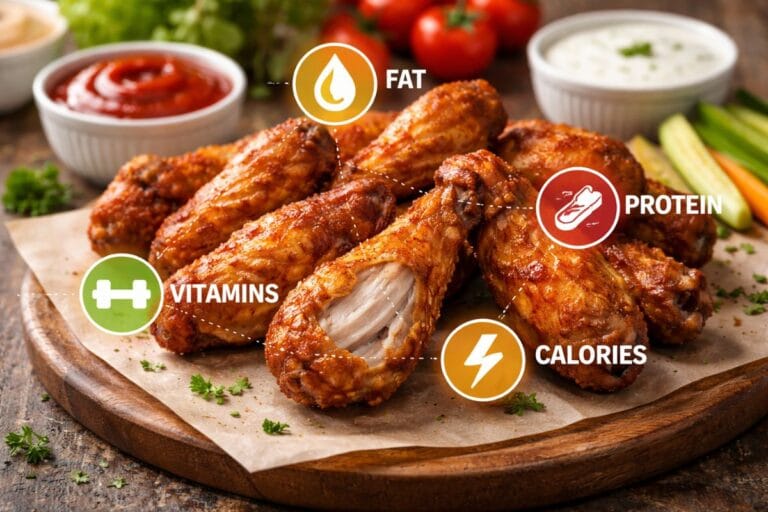
Starting a journey to change your physique usually takes months, but sometimes life throws a curveball. Maybe a lead role in a play requires a broader frame by next weekend, or perhaps a sudden recovery from a stomach bug has left the ribs looking a bit too prominent. Whatever the reason, figuring out how to increase weight in 7 days isn’t about eating every doughnut in sight. That’s a recipe for a sluggish gut and a sugar crash. Real progress in such a tight window comes down to “mechanical” eating—viewing food as a high-octane fuel source that needs to be packed in strategically.
In April 2026, the medical community has abandoned “dirty bulking.” Instead, it is about nutrient density and metabolic efficiency. The aim is to maintain a surplus of around 500 calories over maintenance, as per the latest NHS healthy weight guidelines. In seven days, the surplus won’t result in ten pounds of muscle, but it will significantly replenish glycogen stores, fill out the skin, and jump-start the scale.
The Science Of The Seven-Day Surplus
Most people fail because they eat until they’re stuffed at lunch and then have no appetite for dinner. To beat this, the “High-Frequency” rule is king. Moving from three meals to six smaller ones every three hours keeps the insulin response stable and prevents that bloated, “I can’t eat another bite” feeling.
The secret lies in “fortification”. This means adding calories to the food already being eaten. Think about it. A bowl of pasta is a good thing, but add two tablespoons of extra virgin olive oil and 30g of cheddar on top and it has suddenly gained an extra 300 calories without looking any larger.
These “invisible calories” are the most efficient method for underweight people to boost their intake without experiencing a full feeling, according to an Oxford Health 2025 nutrition study.
Liquid Gold: The 600-Calorie Smoothie Hack
Drinking calories is much easier than chewing them. The jaw gets tired, but the throat doesn’t. A trending 2026 strategy for those looking at how to increase weight in 7 days is the “Before Bed Shake.”
Blending 50g of oats, a large banana, a massive scoop of peanut butter, and 300ml of full-fat milk creates a drinkable 600-calorie bomb. Since it’s liquid, the body processes it quicker than a steak, and appetite is restored by breakfast.
Alternatively, when it comes to blood sugar management, Diabetes UK recommends focusing on the healthy fats in nuts and seeds rather than relying on high-sugar weight-gainer powders.
Lifting Heavy To Steer The Weight
Eating more without lifting is just an invitation for the body to store fat around the midsection. And, to make sure that the new weight is moving to all the right places, resistance training has to go hand in hand with the diet. The emphasis should be on compound movements – squats, deadlifts and bench presses. And these big moves recruit the most muscle fibres, signalling the body to put those extra calories for repair and growth.
However, keep the sessions short. Long cardio sessions burn through the very surplus being built. In this 7-day sprint, walking to the shop is fine, but a 10k run is an enemy. The ACSM (American College of Sports Medicine) recommends keeping workouts to under 45 minutes when the primary goal is rapid weight accumulation.
The Shopping List For A High-Calorie Week
Success is won in the aisles of the supermarket. In April 2026, UK shoppers are leaning into “whole foods” that pack a punch.
- Protein: Chicken thighs (not breasts), salmon, and full-fat Greek yoghurt.
- Fats: Avocados, walnuts, and extra virgin olive oil.
- Carbs: Sweet potatoes, brown rice, and large-flake oats.
- Snacks: Dried apricots and almonds are perfect for grazing throughout the day.
Quick Answer: How To Increase Weight In 7 Days
| Metric | Daily Target |
|---|---|
| Calories | Maintenance + 500 kcal |
| Meals | 5 to 6 per day |
| Protein | 1.8g per kg of body weight |
| Sleep | 8.5 hours (Growth happens here) |
| Water | 2.5 Litres (Stay away from water 30 mins before eating) |
FAQs
Q1. Can You Actually See Results In Just One Week?
Yes, but it’s mostly “fullness.” You’ll refuel muscle glycogen and water weight, which makes the body appear markedly more solid and less “flat.”
Q2. Is Whole Milk Better Than Protein Shakes?
Whole milk is a complete food, containing fats and carbs as well as protein. For a 7-day push, it’s often better and cheaper than processed supplements.
Q3. What If I Have A Small Appetite?
Use “stealth calories”. Add butter to veg, cream to coffee and oil to everything. Don’t drink water before meals because the liquid takes up zero-calorie volume in your stomach.
Q4. Should I Stop All Cardio?
Not all, but definitely the high-intensity stuff. A 15-minute stroll after dinner can actually help digestion and prevent the “food coma.”
Q5. Are Weight Gain Pills Safe?
Most are just caffeine and sugar. Stick to real, whole foods and fortified shakes. They are much safer for the liver and kidneys in the long run.
ALSO READ: What You Should Know About Nutrition In A Chicken Wing Before Your Next Meal
Final Words
That said, the point is to be consistent here. In a monthly scheme, missing one meal over 7 days is equivalent to missing the whole day. It’s a short sprint. Load in the calories, lift something heavy, and sleep a lot.
When provided with the right tools, the body is surprisingly adept at adjusting. Just don’t be shocked if your favourite jeans feel slightly tight by next Sunday. That’s the point, isn’t it?
Sources & References
NHS UK. (2026). Healthy ways to gain weight.
Diabetes UK. (n.d.). Tips to help you gain weight.
Nutritionist Resource. (n.d.). Weight gain.
American College of Sports Medicine. (n.d.). Physical activity guidelines.
Oxford Health NHS Foundation Trust. (2024, January). Food first: Advice for eating if you have lost weight or are underweight.
Disclaimer: This content is provided for informational purposes only and is not intended as medical or dietary advice. It should not be considered a substitute for professional consultation, diagnosis, or treatment. Always seek guidance from a qualified healthcare provider before making dietary or fitness changes. The information presented does not promote any specific product or service.
Recommended