Over the years, the kitchen has quietly changed its role. It’s not just for cooking anymore. Not even close, honestly. It’s where conversations unfold, where groggy mornings kick off, and where the rhythm of everyday life kind of… settles in. In a lot of homes, the kitchen has become the heart of it all. Practical, yes—but also personal in a way people didn’t always think about before.
Because of that shift, homeowners are paying way more attention now. Not just to how a kitchen looks, but how it actually works. The focus has drifted—maybe not completely, but enough—from pure aesthetics to something more grounded. Comfort matters. Efficiency matters. And, well, how the space feels on a random Tuesday morning matters too.
Why Functionality Is Driving Modern Design
Trends come and go. That’s just how it is. But functionality? That tends to stick around. People are starting to care less about flashy features and more about what actually makes life easier. Which, let’s be real, makes sense.
You see this shift clearly in kitchens. Efficiency isn’t just nice to have—it’s kind of everything. Cooking, cleaning, prepping—it all adds up. Every detail plays a part. Even small tweaks, the kind you almost overlook, can save time. And effort. Over days and weeks, that difference really adds up.
The Rise Of Purpose-Led Home Upgrades
Instead of tearing everything down and starting fresh, a lot of homeowners are going for smaller, targeted upgrades. Changes that actually improve how the space works. Not just how it looks in photos.
It’s practical. And, honestly, a bit smarter financially. You upgrade what matters. Leave the rest. This way, daily routines improve without the chaos of a full renovation. Plus, it gives people space to think things through. Real needs over passing trends—which, let’s face it, don’t last that long anyway.
Where Most Kitchens Fall Short
Even with all the modern design talk, a lot of kitchens still run into the same old problems. Limited counter space. Awkward layouts. Features that look good but don’t really help in daily use.
And then there’s the sink area. Weirdly overlooked. It gets used all the time, yet it’s often treated like an afterthought. Washing dishes. Prepping veggies. Cleaning up the mess after meals. The sink is right there in the middle of it all, doing the heavy lifting.
Why The Sink Deserves More Attention
If you think about it, the sink is one of the hardest-working parts of any kitchen. Yet, during planning, it barely gets attention. Kind of ironic. A poorly chosen sink can make simple tasks feel… annoying. Slower than they should be.
But flip that around. A good sink? It changes things. Improves flow. Saves time. Makes the whole experience just a bit smoother—maybe even enjoyable, on a good day.
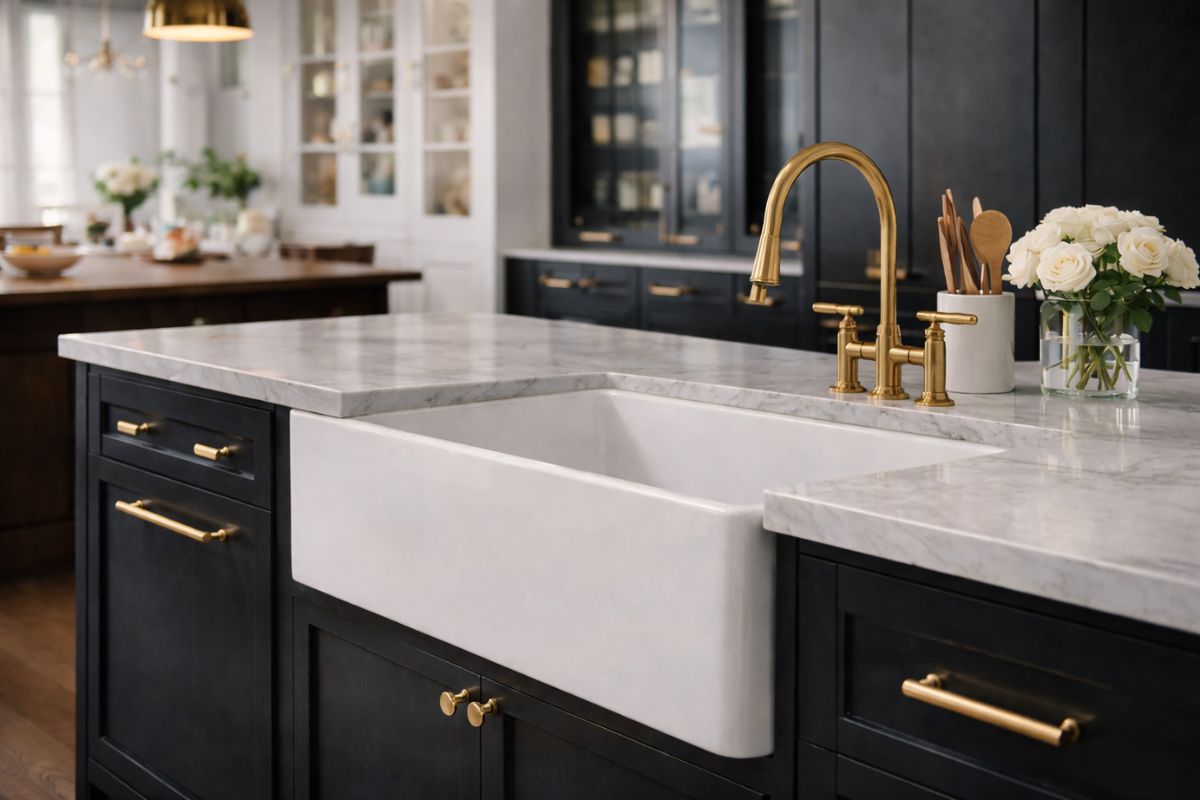
That’s probably why more people are exploring options like a Kitchen farm sink. It’s not just about looks. It’s about finding something that actually works, while still feeling thoughtfully designed.
What Makes Farmhouse Sinks Stand Out
Farmhouse sinks—also called apron-front sinks—have become pretty popular lately. And not without reason. They’re deeper. Wider. Just… more accommodating than standard designs.
Washing big pots, pans, baking trays—it’s easier. Less awkward. You don’t have to lean forward as much either, which, honestly, your back will thank you for over time.
Sure, they look good. No denying that. But what really sets them apart is how practical they are. That’s the real win.
Practical Benefits You Notice Every Day
The thing about kitchen upgrades is—you don’t always notice them immediately. But over time, the good ones stand out. The ones that make things easier, smoother. Those are the ones you appreciate daily.
With the right sink setup, everyday tasks feel lighter. Washing dishes. Rinsing produce. Cleaning up after a long meal. It all gets a bit quicker. A bit less tiring. In busy households, that difference? It’s actually pretty significant.
ALSO READ: Traditional Croatian Food: Is It Similar to Italian or Greek Cuisine? Find Out!
Balancing Style With Everyday Use
Of course, looks still matter. No one wants an ugly kitchen, right? But it’s about balance. That middle ground where style meets function.
A well-designed kitchen should feel good to use and good to look at. Farmhouse sinks manage that balance quite well. They stand out visually, but they also pull their weight in daily use.
That’s why they’re such a solid option. Modern, but not impractical. Stylish, but still usable.
Why Simplicity Often Works Best
Sometimes, complicated designs just… overdo it. They look impressive at first glance, sure. But in daily life? Not always helpful.
Simple solutions tend to last longer. They’re easier to use. Easier to maintain. And they don’t go out of style as quickly. Which, honestly, is a relief.
That’s why more homeowners are leaning toward clarity. Function over unnecessary complexity. It just works better in the long run.
The Link Between Design And Daily Efficiency
Kitchen design directly affects how smoothly things run. A poor layout can slow everything down. It can get frustrating—fast.
But thoughtful design? That’s a different story. When everything has its place, when it all makes sense, daily tasks feel easier. The space feels more natural. More enjoyable, even.
Investing In Features That Last
A common mistake people make is chasing trends. Things that look great now, but don’t hold up later. It happens more often than you’d think.
Choosing durable, functional features is a better bet. They last longer. They perform better. And they save you from having to redo things too soon. Which, let’s be honest, no one enjoys.
Adapting To Changing Lifestyles
Life changes. Work shifts. Family routines evolve. And all of that affects how a kitchen gets used.
Flexible designs make it easier to keep up. You don’t need a full redesign every time something changes. Small adjustments can go a long way. Keep things functional. Keep things relevant.
Avoiding Common Kitchen Design Mistakes
When upgrading a kitchen, a few common mistakes tend to pop up:
- Choosing style over usability. It happens more than people admit.
- Not really thinking about how the space is used day-to-day.
- Making simple tasks more complicated than they need to be.
- Getting too caught up in trends that fade quickly.
Avoiding these isn’t complicated. But it does make a big difference. Over time, you end up with a space that actually works.
Why Thoughtful Choices Make The Biggest Difference
At the end of the day, good design is about making life easier. That’s really what it comes down to. Every part of your kitchen should have a purpose.
And no, it doesn’t mean you need to redo everything. Sometimes one smart upgrade does more than a bunch of smaller ones. Funny how that works.
ALSO READ: Smart Micro-Retirement Savings Plan for Gen Z Explained—How to Break Free Early
Final Thoughts
The kitchen keeps evolving. It’s still one of the most important spaces in any home—maybe even more than before. Expectations have changed. Lifestyles too.
Focusing on function. Keeping things simple. Thinking long-term. These ideas go a long way in creating a kitchen that actually supports daily life instead of complicating it.
And sometimes—this is the funny part—it’s the most overlooked details that end up mattering the most.
Sources & References
-
The Sink Boutique. (2026). 2026 kitchen design trends: Sinks, faucets & finishes to watch.
-
Yangez, V. (2025, December 23). Kitchen sink ideas 2026: 42 stunning designs for modern, farmhouse & small spaces. Interior Design Journal.
-
Rozyskul, K. (2025, November 14). 25 modern farmhouse kitchens 2026 that blend rustic charm with modern elegance. PlaceIdeal.
-
Houzz Editorial Team. (2025). Why functionality drives modern kitchen design: Layouts, storage, and workflow.
-
Architectural Digest. (2024). The rise of purpose-led home upgrades: Smarter kitchens for everyday living.
-
Better Homes & Gardens. (2024). Farmhouse sinks: Practical benefits and timeless appeal.
Disclaimer: This article is intended for informational purposes only and does not constitute professional advice or endorsement of any products or services mentioned. Readers are encouraged to conduct their own research before making any decisions. The content does not promote any specific brand and is provided as general guidance.